Machine Brief Blog
Expert analysis and original insights on AI technology, markets, and macro trends.


DeFi·about 2 months ago·5 min read
An AI Wrote the Code That Just Drained $1.8 Million From a DeFi Protocol
A pricing glitch that lasted only minutes left DeFi lender Moonwell with $1.8 million in bad debt. The faulty code was co-authored by Claude Opus 4.6, an AI coding assistant. We've officially entered the era of AI-generated exploits.

Ethereum·about 2 months ago·7 min read
Vitalik's Latest Proposal Would Change Everything About Ethereum Gas
Vitalik Buterin keeps pushing radical ideas for Ethereum's future. His latest proposals could fundamentally reshape how gas works, how L2s interact with L1, and what ETH is actually worth.

Bitcoin·about 2 months ago·5 min read
Institutions Won't Stop Buying Crypto. Retail Investors Can't Stop Selling. Who's Right?
Bitcoin is sitting at $68,000. Down 21% on the year. The Fear and Greed Index reads 41. Memecoins are bleeding. Retail traders are panic selling into every bounce. And yet, right now, some of the biggest money in the world is quietly backing up the truck. Strategy just bought another $168 million in bitcoin. BitMine dropped $90 million on ethereum in a single week. An Italian bank with $900 billion in assets just disclosed $100 million in bitcoin ETF holdings. These aren't dumb money moves. Th

Solana·about 2 months ago·7 min read
Solana Memecoins Crashed but the Ecosystem Is Stronger Than Ever
The memecoin mania on Solana burned billions. But underneath the wreckage, the chain's infrastructure, DeFi, and developer ecosystem are in the best shape they've ever been.

Bitcoin·about 2 months ago·7 min read
Michael Saylor Just Bought Another Billion in Bitcoin. Should You Follow?
MicroStrategy keeps buying BTC with borrowed money. Saylor's conviction is legendary. But is following him smart money or dangerous groupthink?

RWA·about 2 months ago·7 min read
RWA Tokenization Just Crossed $10 Billion and BlackRock Is Leading
Real-world assets on-chain have crossed a major milestone. BlackRock, Franklin Templeton, and other TradFi giants are tokenizing Treasury bills, bonds, and more. This isn't crypto hype. It's the financial system migrating.
Bitcoin·about 2 months ago·5 min read
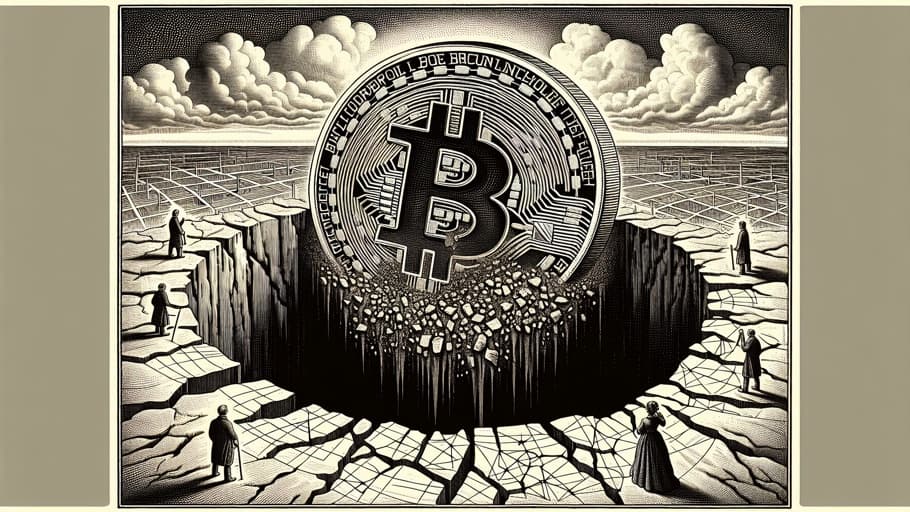
Bitcoin's Broken Rally: Why $69K Feels Like Purgatory
Bitcoin at $69,000 should feel like a win. A year ago, that number would've had people dancing in the streets. But we're not dancing. We're staring at screens, watching the fourth straight weekly decline, and wondering if the floor is about to give out. I think we're in purgatory. Not a crash. Not a rally. Just... stuck. THE $85K LINE IN THE SAND Jean-David Pequignot, Deribit's chief commercial officer, put it bluntly at Consensus Hong Kong last week. Bitcoin's long term rally is "broken" un

DeFi·about 2 months ago·6 min read
DeFi Is Not Dead. It's Just Getting Boring.
Everyone says DeFi is dead because the 1000% APYs disappeared. The truth is DeFi is actually working now. It's just not exciting anymore. And that's the point.

Aave·about 2 months ago·8 min read
Aave Just Hit $30 Billion TVL in the Middle of a Bear Market
While most of crypto is licking its wounds, Aave quietly became the second-largest protocol in DeFi. How did a lending protocol built in 2020 outlast everything around it?

Bitcoin·about 2 months ago·7 min read
Bitcoin ETF Inflows Just Hit a New Record. Here's What It Means
Spot Bitcoin ETFs have pulled in record capital. But who's actually buying, and what does the flow data tell us about where BTC goes from here?

Bitcoin·about 2 months ago·4 min read
Bitcoin's $8.7 Billion Purge: Capitulation or Just the Beginning?
Bitcoin clawed its way back above $70,000 this week. And honestly, it doesn't feel like a victory. The numbers tell a brutal story. $8.7 billion in realized losses over the past week. That's the second largest weekly loss event in bitcoin's history, trailing only the catastrophic unwinding of Three Arrows Capital back in 2022. Bitcoin treasury firms were sitting on $21 billion in unrealized losses at the low point. Let that number sit with you for a second. Yet here we are, watching BTC bounce

Bitcoin·about 2 months ago·4 min read
Bitcoin's Rally Is Broken. But Is the Bottom Already In?
The crypto Fear and Greed Index just hit 5. That's not a typo. Five. We haven't seen numbers that low since the 2022 crypto winter, and before that, the COVID crash of March 2020. Bitcoin is trading around $67,800 as I write this. It's down roughly 45% from its October highs. And if you've been watching the charts, you know it's about to post its fourth consecutive red week. So let's talk about what's actually happening here. Because the news isn't all bad. In fact, some of it is really good.

Opinion·about 2 months ago·7 min read
Why Most Crypto Projects Fail Within 2 Years
Over 90% of crypto projects launched in any given year are dead within two years. Here are the real reasons why, and what separates the survivors.

Bitcoin·about 2 months ago·8 min read
Why Bitcoin Miners Are Pivoting to AI and What It Means for the Network
Bitcoin miners are converting their facilities into AI data centers. The economics make sense. But what happens to Bitcoin's hash rate and security when miners chase a different revenue stream?

Ethereum·about 2 months ago·6 min read
Why Ethereum Gas Fees Will Never Go Away
Ethereum has spent years trying to fix gas fees. They're lower now but they'll never be zero. Here's why that's by design and what it means for users.

Uniswap·about 2 months ago·7 min read
Uniswap V4 Hooks Are Going to Change DeFi Forever
Uniswap V4 introduces hooks, letting developers add custom logic to every swap. This turns a DEX into a platform. Here's why that's a bigger deal than most people realize.

Crypto·about 2 months ago·3 min read
Wall Street Just Crashed the Crypto Party. And They Brought Friends.
Citadel Securities, ARK Invest, Tether, the NYSE parent company, DTCC, and Google Cloud all backed LayerZero in the same week. ZRO surged 17.5%. The institutional adoption story just got very real.
Bitcoin·about 2 months ago·1 min read
Bitcoin Isn't Digital Gold Anymore. It's a Tech Stock With an Identity Crisis.
Grayscale says bitcoin trades like a tech stock, not gold. ETF inflows are back but retail is fleeing. Here's what the data actually shows.

TON·about 2 months ago·7 min read
TON and Telegram Have a Crypto Distribution Advantage Nobody Else Has
900 million users. A built-in wallet. Mini apps that onboard millions in weeks. TON and Telegram have the kind of distribution that every crypto project dreams about. Is it enough?
Bitcoin·about 2 months ago·5 min read
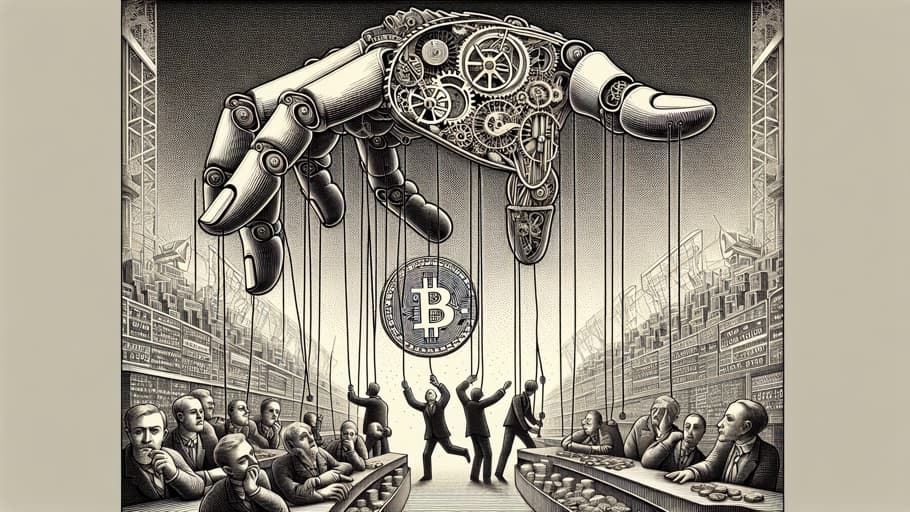
Bitcoin's $60K Crash Wasn't Random. Here's Who Actually Caused It.
Last week, Bitcoin fell off a cliff. From $77,000 to $60,000 in three days. Billions evaporated. Twitter was full of "I told you so" posts and panic threads. But most people missed what actually happened. This wasn't just selling pressure from scared retail traders. The crash had invisible architects. And understanding who they are changes how you think about what happens next. THE INVISIBLE HANDS When Bitcoin dropped below $75,000 on Tuesday, something mechanical kicked in. Options market m

Bitcoin·about 2 months ago·6 min read
The Real Reason Bitcoin Dominance Keeps Rising
Bitcoin dominance is at levels not seen since 2021. Here's why BTC keeps eating the altcoin market and what it means for your portfolio.

DeFi·about 2 months ago·7 min read
The Real Yield Narrative Is Back and It's Different This Time
DeFi protocols are generating actual revenue again. But the 'real yield' of 2026 looks nothing like the 2022 version. Here's what changed and why it matters.

Analysis·about 2 months ago·1 min read
Blood in the Water: Why Smart Money Is Buying the Biggest Bitcoin Crash in Years
Bitcoin just went through one of its nastiest selloffs in recent memory. A 50% drop from its a
Bitcoin·about 2 months ago·4 min read
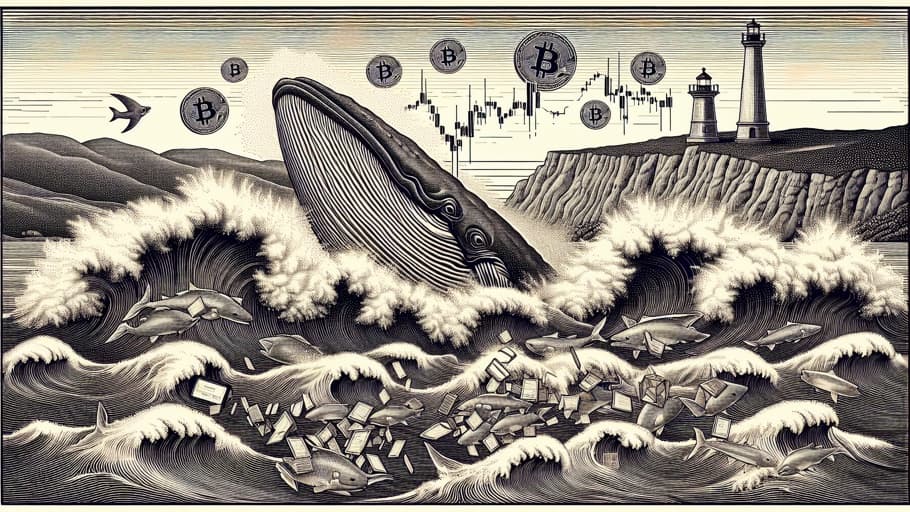
Crypto's Worst Week Since FTX Just Ended. Smart Money Is Already Buying.
Bitcoin crashed to $60,000 this week. The total crypto market lost $2 trillion in value. A trading firm blew up $686 million on a single leveraged ETH bet. And Charles Hoskinson went on live broadcast to admit he's sitting on $3 billion in unrealized losses. That's where we are right now. But something interesting is happening underneath the wreckage. Every single cohort of bitcoin holders. From shrimp wallets to mega whales. They're all buying. THE NUMBERS DON'T LIE Let's start with ho

Oracles·about 2 months ago·8 min read
The Oracle Problem Still Hasn't Been Solved and It's Getting Worse
DeFi depends on price oracles for everything. Lending liquidations, derivatives settlements, stablecoin pegs. And the system feeding all that data is more fragile than anyone wants to admit.

Bitcoin·about 2 months ago·7 min read
The Fed Is Done Cutting Rates and Crypto Doesn't Care
The Federal Reserve has paused rate cuts indefinitely. Traditional markets are rattled. But Bitcoin barely flinched. Here's why that matters.

Ethereum·about 2 months ago·7 min read
The L2 Wars Are Over and Arbitrum Already Won
After years of competition between Ethereum L2s, the data is clear. Arbitrum has pulled away from the pack. But can a centralized exchange chain steal the crown?

Analysis·about 2 months ago·1 min read
Bitcoin Just Hit Its Third Most Oversold Reading Ever
Extreme fear often marks extreme opportunity. The 200-day MA sits around $58-60K as next support. Every time BTC has been this oversold, patient buyers won. Not in days. In months. The whales aren't selling. The ETFs aren't selling. Maybe that's telling us something.

DePIN·about 2 months ago·8 min read
The DePIN Narrative Is Real but Most DePIN Tokens Are Worthless
Decentralized physical infrastructure is one of crypto's best ideas. The problem is that 90% of DePIN projects are vaporware riding the narrative. Here's how to tell the difference.

Restaking·2 months ago·8 min read
Restaking Is the Hottest Trend in Crypto and the Riskiest
EigenLayer has over $18 billion in TVL. Restaking promises higher yields on staked ETH. But underneath the hype is a risk model that most depositors don't understand.

Sui·2 months ago·7 min read
Sui Is Quietly Building the Best Developer Experience in Crypto
While everyone argues about Ethereum vs. Solana, Sui is doing something different. It's making blockchain development actually pleasant. And that might matter more than raw performance.

Ethereum·2 months ago·7 min read
Liquid Staking Protocols Now Hold More ETH Than the Beacon Chain Deposit Contract
Lido, Coinbase, Binance, and other liquid staking providers collectively control more staked ETH than solo validators. That concentration is both a success story and a ticking time bomb.

Ethereum·2 months ago·7 min read
Ethereum's Blob Fees Are Generating Almost Nothing. Is That a Problem?
EIP-4844 was supposed to make L2s cheaper while still feeding value back to Ethereum. The L2s got cheaper. The value part? Not so much.

Curve·2 months ago·7 min read
Curve Finance Almost Died and Came Back Stronger
A massive exploit, a founder liquidation crisis, and a death spiral in confidence. Curve survived it all. Here's the comeback story that nobody expected.
Ethereum·2 months ago·7 min read
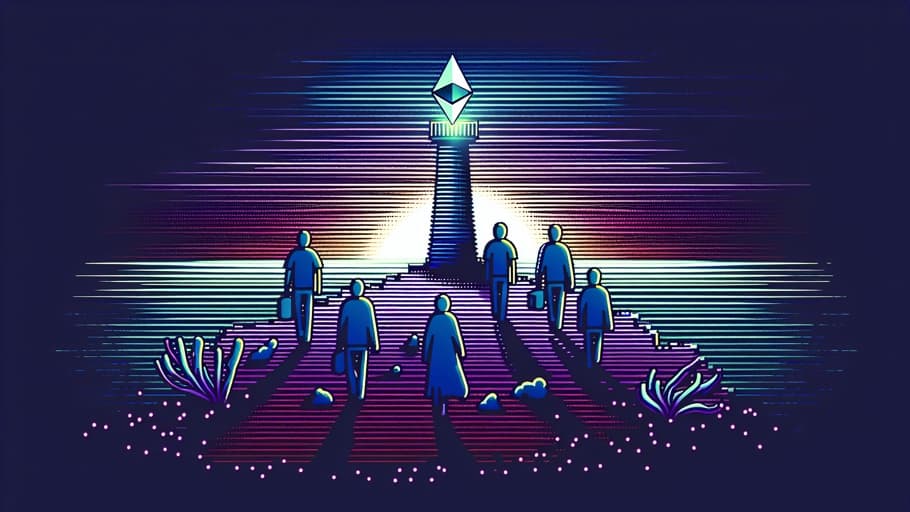
Ethereum Staking Yields Are Dropping and Validators Are Leaving
ETH staking rewards have fallen below 3%. Some validators are exiting. Is Ethereum's proof-of-stake model facing a crisis, or is this just the market finding equilibrium?

Regulation·2 months ago·7 min read
Crypto Regulation Is Coming and That's Actually Good
Most crypto people hate regulation. But clear rules might be exactly what the industry needs to grow from a niche market into real financial infrastructure.
bitcoin·2 months ago·5 min read
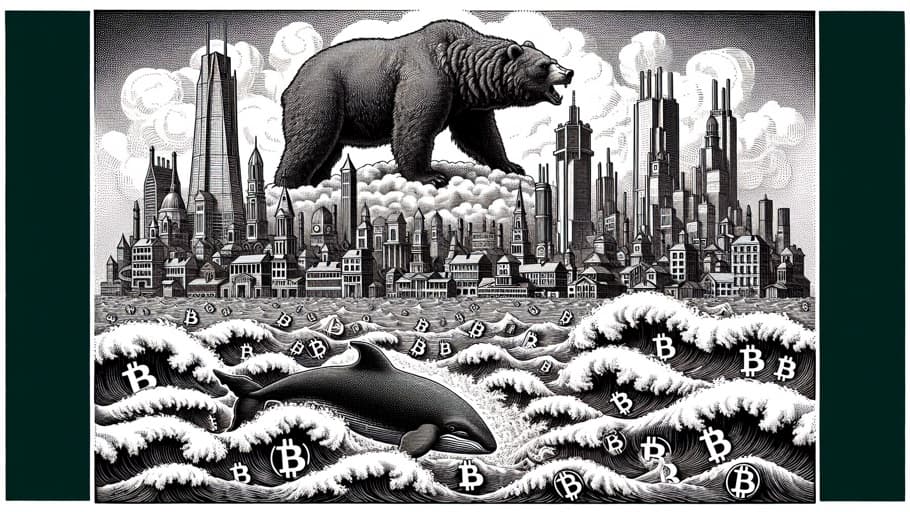
Bitcoin's Five Week Losing Streak and the $40,000 Put Nobody Wants to Discuss
Bitcoin just posted something it hasn't done since 2022. Five straight weeks of losses. Down over 50% from its October high, sitting around $66,000, and the options market is telling a story that should make everyone pay attention.

Bitcoin·2 months ago·7 min read
Bitcoin's Halving Effect Is Fading, and That's Not Necessarily Bad
The 2024 halving came and went without the explosive rally everyone expected. The four-year cycle might be breaking down. But that could be a sign of maturity, not weakness.

Bitcoin·2 months ago·7 min read
Bitcoin Dominance at 60 Percent. Is Altseason Dead?
BTC dominance is hovering near 57% and has been climbing for two years. Altcoins are bleeding against Bitcoin. Are we witnessing the death of altseason or just a delayed one?

AI·2 months ago·7 min read
AI Agent Tokens Went from Zero to $5 Billion in Six Months
AI agents that trade, farm yield, and post on social media now have their own token economy. It went parabolic fast. And most of it is going to collapse.

Base·2 months ago·7 min read
Base Is Eating Ethereum's Lunch and Coinbase Is Loving It
Coinbase's L2 chain Base has quietly become one of the most active blockchains in crypto. But when a centralized exchange controls the most popular L2, who really benefits?

DeFi·2 months ago·7 min read
8 DeFi Protocols That Actually Survived the Bear Market
Most DeFi projects from the 2021 bubble are dead. These 8 aren't. Here's what separates the survivors from the graveyard, and why it matters for your portfolio.

On-Chain Analysis·2 months ago·7 min read
7 On-Chain Metrics Every Crypto Trader Should Track
Forget RSI and MACD. These 7 on-chain metrics give you data that chart traders can't see. Here's what they are and how to actually use them.

Trading·2 months ago·6 min read
5 Signs a Crypto Project Is About to Dump
The warning signs are usually there before a crypto token dumps. Here are the 5 patterns that consistently precede major price crashes.

Tokenomics·2 months ago·6 min read
What Is Token Vesting and Why Investors Care
Token vesting schedules can make or break a crypto investment. Here's how they work, what to look for, and how to avoid getting dumped on by insiders.

MEV·2 months ago·7 min read
What Is MEV in Crypto and How It Affects Your Trades
MEV is the invisible tax on your crypto trades. Bots are making money off your transactions and you probably don't even know it. Here's how it works.
DeFi·2 months ago·7 min read
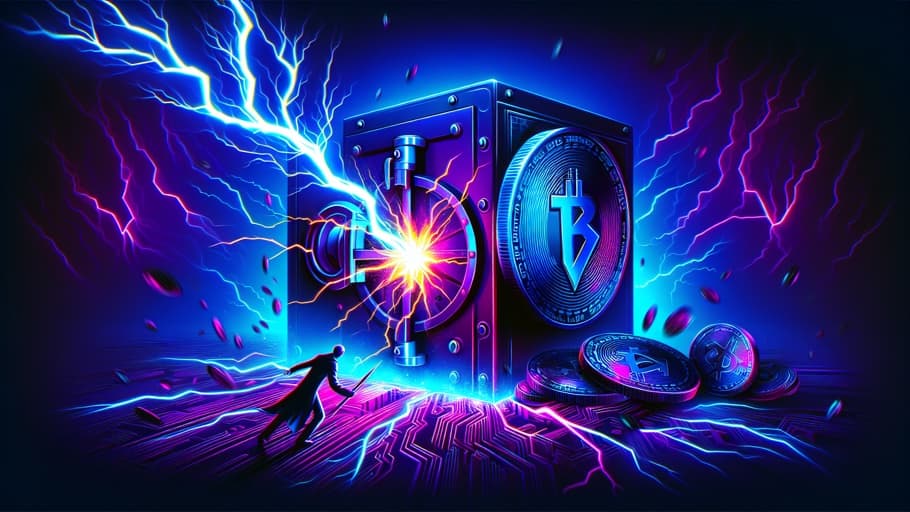
What Is a Flash Loan Attack in Crypto?
Flash loan attacks have stolen hundreds of millions from DeFi protocols. Here's how they work, famous examples, and why they keep happening.

DeFi·2 months ago·7 min read
What Is Impermanent Loss in DeFi? (Explained Without the Math Headache)
Impermanent loss is the silent killer of DeFi yields. Here's what it actually is, when it matters, and how to avoid getting wrecked by it.

Whale Watching·2 months ago·6 min read
What Is a Crypto Whale and Why Do They Matter?
Crypto whales can move entire markets with a single trade. Here's what they are, how they operate, and why every crypto trader should care about them.

Wallets·2 months ago·6 min read
Phantom vs MetaMask: Which Crypto Wallet Is Actually Better?
Phantom and MetaMask are the two most popular crypto wallets. Here's an honest comparison of speed, features, chain support, and which one you should use in 2026.

Blockchain·2 months ago·6 min read
Proof of Work vs Proof of Stake Explained Simply
PoW and PoS are the two main ways blockchains validate transactions. Here's what they actually do, how they differ, and why it matters for your crypto investments.

On-Chain Analysis·3 months ago·7 min read
How to Use On-Chain Data for Trading (A Practical Guide)
On-chain data is the one edge retail traders actually have. Here's how to read exchange flows, active addresses, and whale movements to make better trades.

Smart Money·3 months ago·7 min read
How to Track Smart Money in Crypto (Without Paying for Expensive Tools)
Smart money wallets consistently buy before pumps and sell before dumps. Here's how to find them and follow their moves using free tools.

Trading·3 months ago·7 min read
How to Read Crypto Order Books Like a Pro
Order books tell you where real money is sitting. Here's how to read bid walls, ask walls, spoofing, and hidden liquidity like an experienced trader.

Security·3 months ago·7 min read
How to Spot a Rug Pull Before It Happens
Rug pulls cost crypto investors billions every year. Here are the exact red flags to look for before you become the exit liquidity.

Whale Watching·3 months ago·6 min read
How to Read a Crypto Whale Wallet (And Actually Understand What They're Doing)
Whale wallets move markets. Here's how to find them, read their transactions, and figure out what they're actually planning before price moves.

Exchanges·3 months ago·6 min read
Coinbase vs Kraken for Beginners in 2026: Which One Should You Actually Use?
Coinbase and Kraken are the two biggest US-friendly crypto exchanges. Here's an honest comparison of fees, features, and which one is better for beginners in 2026.

Wallets·3 months ago·6 min read
Hot Wallet vs Cold Wallet: Which Is Safer for Your Crypto?
Hot wallets are convenient but vulnerable. Cold wallets are secure but annoying. Here's the real trade-off and how to decide which one to use for your crypto.

Exchanges·3 months ago·6 min read
Centralized vs Decentralized Exchanges: The Real Pros and Cons
CEXs are easy but risky. DEXs give you control but can be clunky. Here's an honest breakdown of when to use each and why most people need both.

Beginners·3 months ago·8 min read
10 Crypto Mistakes Beginners Make in Their First Year
Everyone makes mistakes in crypto. But some mistakes are so common and so costly that they're worth learning from other people's pain instead of your own.

Passive Income·3 months ago·6 min read
6 Ways to Earn Passive Income with Crypto in 2026
Staking, lending, liquidity pools, and more. Here are 6 real ways to earn yield on your crypto in 2026, with honest takes on the risks of each.