Meta's Token Craze: A New King of AI Metrics or Just Spinning Wheels?
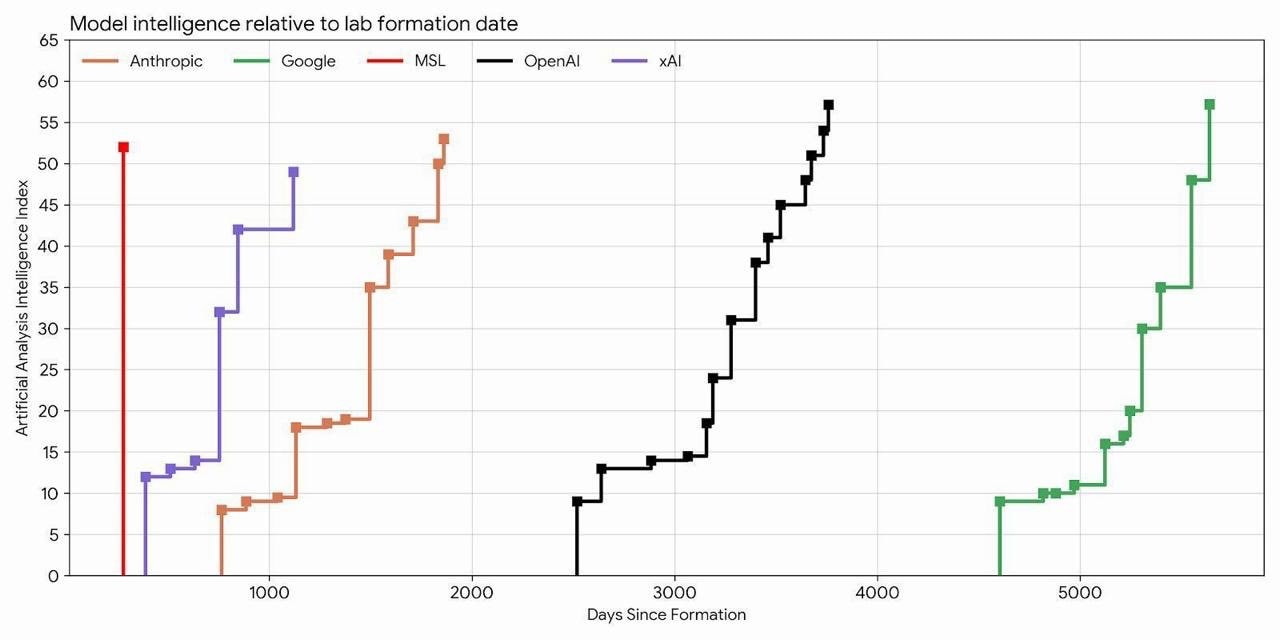
Meta employees chase 'Token Legend' status as AI token usage becomes a symbol of status. But is this race truly innovative or just a distraction?
Behind every staggering number in tech, there's often a story of excess and ambition. Meta's latest internal fad, 'Claudeonomics,' is no exception. With total token usage reaching 60 trillion, that's three times the estimated number of all published books, it's easy to wonder if we're witnessing a groundbreaking achievement or just a sign of tech's obsession with metrics.
A New Status Symbol
Meta's employees aren't the only ones measuring status by tokens. Nvidia's CEO, Jensen Huang, openly encourages engineers to spend lavishly on AI tokens, equating stinginess with inefficiency. The conversation isn't just about cost, it's a new currency in the tech world. OpenAI's 'Tokens of Appreciation' program awards those who burn through them the fastest.
But is this token-maxxing trend more than just a flashy display of computational prowess? Some engineers now view token budgets as a fourth component of compensation, a bizarre twist in employment negotiations. The question isn't just 'What will you pay me?' but 'How many tokens will I get?'
The Token Trap
The real intrigue lies in the fundamental question: why are we so hung up on tokens as a measure of progress? AI models, by design, process information at a pre-linguistic level, in what's known as 'latent space.' Yet, they're forced through sequential symbol generation, akin to narrating every thought aloud before having the next one. It's cumbersome, and frankly, outdated.
Imagine if human thinking operated this way, tethered to words instead of sensations. Would Einstein's genius have been constrained by the need to verbalize every thought? It's a flawed system, one that technology could overcome if we dared to rethink the architecture.
Rethinking AI Architecture
There are voices in the wilderness, scientists like Yann LeCun, for one, who argue against the current trend. LeCun's vision isn't about generating more words with less compute. it's about reducing token dependency altogether. His work on Chain of Continuous Thought and the Joint Embedding Predictive Architecture (JEPA) offers a glimpse into an AI future where meaning, not words, drives understanding.
Yet, the allure of immediate returns keeps companies tethered to the status quo. Meta's recent moves, like hiring Alexandr Wang and launching Muse Spark, seem more like reactions to pressure than genuine innovation. Their token-heavy strategies might boost short-term benchmarks, but at what cost?
So, what's the real takeaway from this token frenzy? It's a call to the industry to pause and reflect. Are we truly advancing AI, or just playing a numbers game? How long can we sustain a system that's more about spectacle than substance?
Get AI news in your inbox
Daily digest of what matters in AI.