Your Chores: The Data Fueling Tomorrow's Humanoid Robots
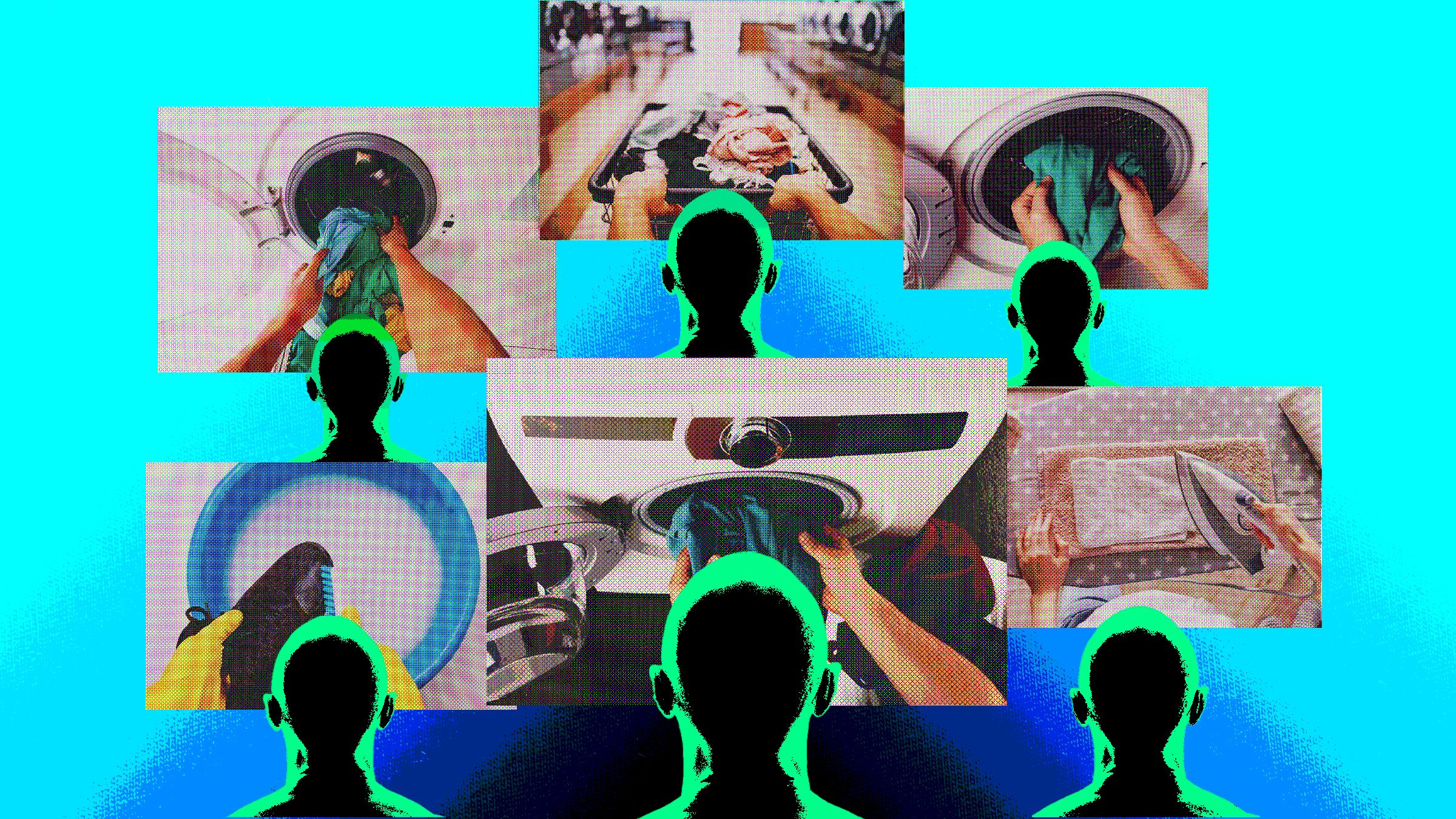
Household tasks are becoming datasets for training humanoid robots. But are we ready for the implications this brings into our homes?
In the rapidly evolving world of robotics, your household chores are taking on a new significance. Tasks like cooking, doing laundry, and tidying up are being transformed into valuable datasets, each a building block for the next generation of humanoid robots. But this shift poses a question: Are we prepared for what this means when our daily chores become training grounds for AI?
Chores as Training Data
In Japan, where the demand for domestic robots is high due to an aging population, there's growing interest in converting everyday chores into data. This isn't just a speculative future, companies are already gathering this data to train humanoid robots capable of handling multifaceted home environments. Imagine a robot that can't only fold laundry but also recognize when a shirt needs ironing. Precision, in this case, matters more than spectacle.
Data generated from household activities informs robots about how humans interact with their environment, offering them the contextual understanding necessary for smooth operation. These robots require extensive information to improve their degrees of freedom, allowing them to move and act intelligently in spaces designed for humans.
The Implications of Data-Driven Chores
Turning chores into data for humanoid robots shifts the boundary between private and technological domains. On the factory floor, the reality looks different, but in the home, the implications become personal. How much of this data should companies have the right to collect? And who owns the insights derived from your daily routine?
Privacy concerns are only one side of the coin. There's also a question of dependency. Will we become so reliant on these autonomous devices that we lose touch with basic life skills? Japanese manufacturers are watching closely, as the gap between lab and production line is measured in years, not months. The demo impressed. The deployment timeline is another story.
Why It Matters
The transformative potential of this technology is immense. Enhanced humanoid robots could alleviate the burden of chores, offering more freedom and time to millions. Yet, it's key to balance innovation with ethical considerations, including privacy and consumer rights. The more we dive into the world of data-driven robotics, the more we must prepare for the ethical quandaries that accompany this progress.
Ultimately, are we ready to hand over our chores to robots? Or is this a step too far, too fast? As this technology advances, the answers will shape the future of domestic life. For now, the race to harness household data is on, offering a glimpse into what could be a very different kind of home environment in the years to come.
Get AI news in your inbox
Daily digest of what matters in AI.