XELA Robotics Pushes Tactile Tech Limits at 2026 Summit
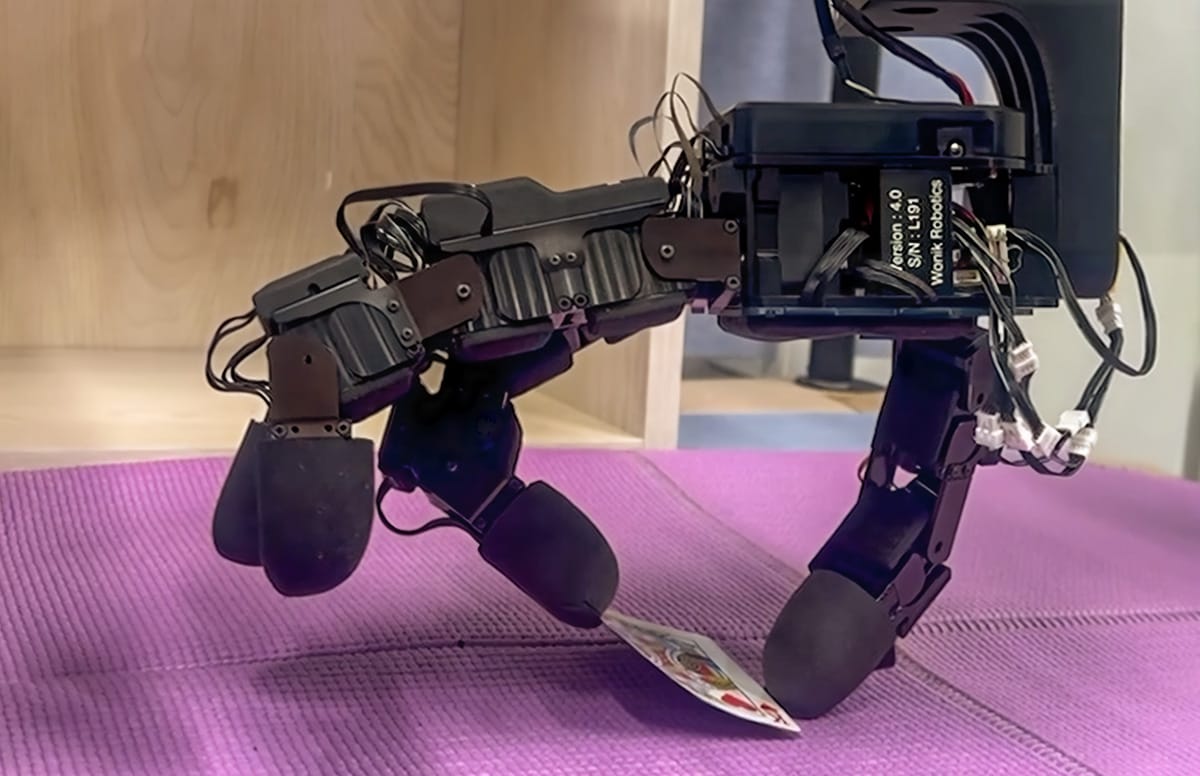
XELA Robotics showcases new tactile sensing at the 2026 Robotics Summit, promising to enhance robotic dexterity and adaptability. Is this the tipping point for human-like robot interaction?
XELA Robotics is set to unveil its latest tactile sensing innovations at the upcoming Robotics Summit & Expo in Boston, running from May 27 to 28, 2026. This Tokyo-based company, spun out from Waseda University in 2018, aims to redefine the boundaries of robotic touch with new sensor hardware and software upgrades that promise to enhance dexterity and adaptability in robotics.
Innovations at the Summit
The centerpiece of XELA's showcase is a robotic fingertip equipped with a six-axis, force-sensitive nail and 30 tri-axial force sensing points. This advanced fingertip technology allows robots to deftly grasp thin objects like cards and keys, even performing intricate tasks such as scraping tape off surfaces. In an industry often guilty of over-promising and under-delivering, XELA's latest innovation might just live up to its claims, potentially setting a new standard for robotic precision.
XELA is integrating its uSkin technology with the Universal Manipulation Interface (UMI), an open-source gripper designed for skill transfer from humans to robots. This means robots can now observe human actions, like pouring water, and replicate them with enhanced tactility. But let's apply the standard the industry set for itself: Will this truly democratize robotic skill acquisition, or is it just another incremental step disguised as a leap?
Addressing Real-world Challenges
In an intriguing move, XELA is debuting magnetic interference compensation, a essential development for robots operating in metal-dense environments. But the burning question is, will this innovation actually simplify operations in complex settings, or are we witnessing yet another fleeting buzzword robotics?
XELA's enhancements in delicate grasping capabilities present an exciting avenue for handling fragile objects. With improved machine vision and control systems, their technology promises to revolutionize sectors like manufacturing and healthcare, where precision is critical. However, skepticism isn't pessimism. It's due diligence. The burden of proof sits with the team, not the community.
Looking Forward
XELA’s technology is promoted as hardware-agnostic, poised for smooth integration across different robotic hands and grippers. Demonstrations at the summit will include the Tesollo and Allegro hands, alongside the Robotiq Hand-E and 2F grippers. This claim of universal adaptability is ambitious. The question remains: will XELA's innovations lead to the widespread adoption of tactile sensing, or will it remain confined to niche applications?
Ultimately, XELA Robotics isn't just pushing the envelope. they're challenging the industry to catch up. As the global workforce ages, particularly in Japan, the need for reliable and accessible automation grows. If XELA's claims hold true, their technology could play a important role in shaping the future of robotics. But as with all technological breakthroughs, transparency and accountability are essential. Show me the audit.
Get AI news in your inbox
Daily digest of what matters in AI.