Writers Face Unjust AI Accusations: The New Digital Witch Hunt
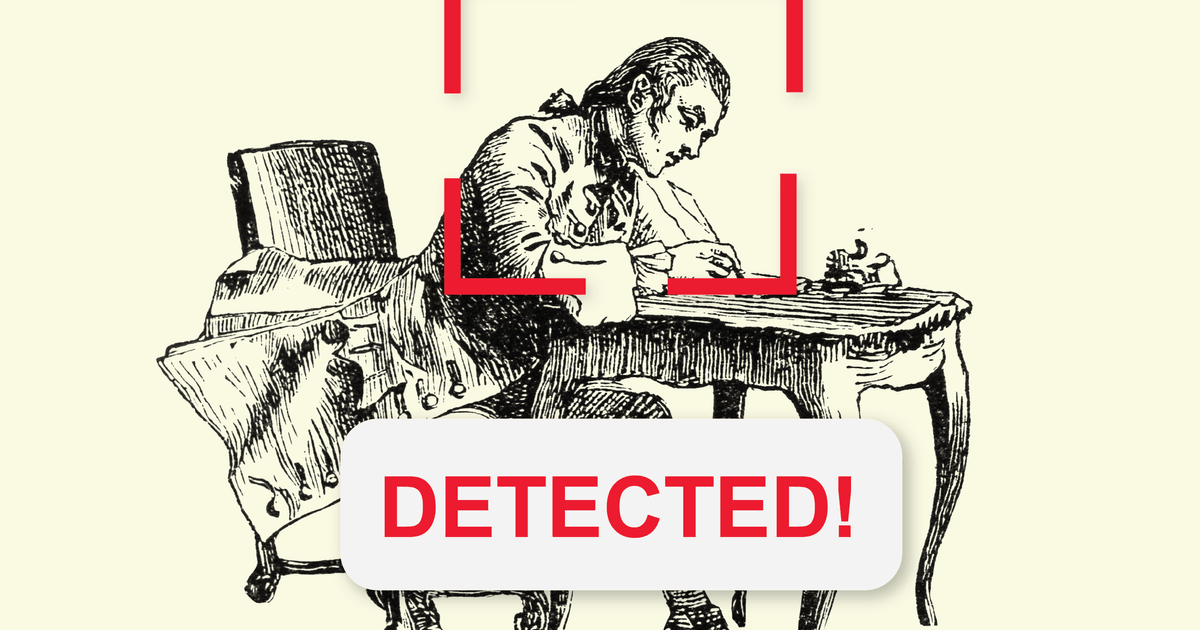
Writers are increasingly being falsely accused of using AI tools for content creation, raising concerns about the integrity of automated detection systems.
Imagine pouring your heart into a piece of writing, only to be accused of having a machine do it for you. This is the reality for many writers today, facing unjustified allegations of AI-assisted cheating. With the rise of AI tools like ChatGPT, there's a growing paranoia about the authenticity of written content, leading to a modern-day witch hunt against innocent creators.
The Rise of AI Detection
AI detection systems have been deployed in schools, universities, and workplaces to root out content generated by artificial intelligence. The intention sounds noble enough, maintain the integrity of human creativity. However, these systems are far from perfect. False positives are rampant, and talented writers are caught in the crossfire, accused of using AI when they've done nothing wrong. The court's reasoning hinges on human judgment, which isn't always accurate when technology is involved.
Flawed Algorithms, Real Consequences
The technology behind AI detection is still developing, but it's already wreaking havoc on careers. Writers, students, and professionals are bearing the brunt of flawed algorithms that can't reliably differentiate between human and machine-generated text. Is it fair to let these systems hold so much power over people's livelihoods? The precedent here's important. Without strong checks and balances, we risk undermining genuine creativity.
Why Should You Care?
If you're a writer, student, or anyone who depends on the written word, this issue affects you. It's not just about false accusations. it's about the very future of authorship and creativity. Imagine a world where every piece of content is scrutinized for its originality by an imperfect machine. The legal question is narrower than the headlines suggest. It's not about banning AI. it's about ensuring fair use and protecting genuine creators from baseless claims.
So, what's the solution? Better technology would be a start, but we also need human oversight. We need to trust but verify, allowing room for both technological advancement and human creativity to flourish. Until then, the digital witch hunt continues, and anyone with a pen, or a keyboard, should be on high alert.
Get AI news in your inbox
Daily digest of what matters in AI.
Key Terms Explained
The science of creating machines that can perform tasks requiring human-like intelligence — reasoning, learning, perception, language understanding, and decision-making.
The ability of AI models to draw conclusions, solve problems logically, and work through multi-step challenges.