Why Robots Still Struggle with Real World Vision
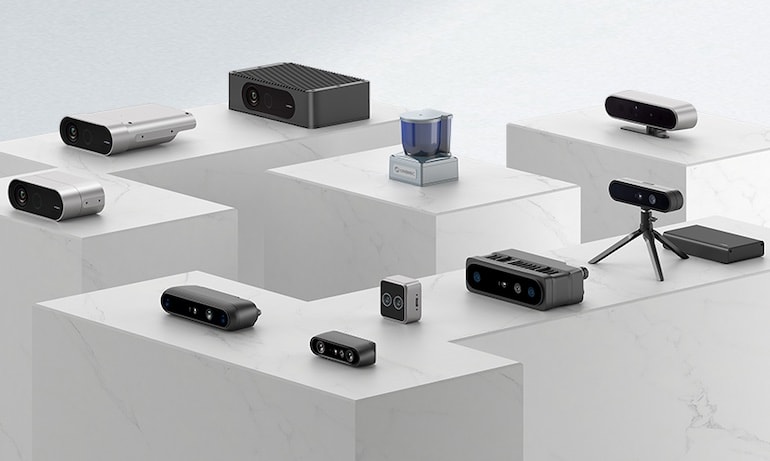
Robots excel in controlled settings but often falter in real-world applications. Diverse sensor technologies offer solutions, but challenges remain.
Watching a robot flawlessly execute a task at a trade show can be mesmerizing. It glides, identifies, and places with an ease born of meticulous programming and an ideal environment. But then reality hits. When that same robot is deployed in the wild, it often stumbles. The demo-to-deployment gap is a notorious hurdle in robotics.
The Lab vs. Reality
In the lab, robots have every advantage. Lighting is perfect, backgrounds are controlled, and object positions are predetermined. Out in the field, it's chaos. Shifting lights, reflective surfaces, and unpredictable human movement expose weaknesses that weren't visible in a polished demo.
Traditional 2D cameras, while still useful, lack depth perception. 3D vision systems and depth cameras have stepped in as important tools, providing the spatial measurements that robots need to function effectively. But these systems aren't perfect either. They face their own challenges like ambient light interference and motion blur.
The Sensing Toolbox
Diversified sensor technologies have emerged to tackle these issues. Structured light systems, stereo vision, and time-of-flight (ToF) cameras each bring their own strengths and weaknesses. There's no one-size-fits-all solution here.
Stereo vision can be great for depth estimation but struggles with low texture. ToF cameras are fast and compact but can be thrown off by reflective surfaces. The real story isn't just about the sensors themselves but how they're combined and applied.
I've been in that room where the pitch deck promises the moon, but the product struggles under real-world conditions. What matters is whether anyone's actually using this tech in a meaningful way.
The Role of AI
Enter AI, the knight in shining armor for many tech challenges. AI can enhance robotic perception by filling data gaps and improving depth maps. But let's not kid ourselves. AI can't fix everything. It still needs solid, reliable data to function effectively.
In robotics, a false sense of confidence in a perception system can be more dangerous than none at all. What happens when a robot confidently misjudges a depth and crashes into something valuable or, worse, someone? Fundraising isn't traction, and neither is a flashy demo.
The Real-World Challenge
For deployment, thorough testing against real-world variables is key. A robot might pass with flying colors in integration tests but then encounter hiccups with transparent materials or sunlit doorways. It’s not just about technology, it’s about resilience in unpredictable environments.
The takeaway? The future of robotic perception hinges on better sensor technology, smarter AI, and, most importantly, systems that recognize their own limitations. Robots need to know when they're uncertain and adjust accordingly. Making deployment look more like the demo requires building systems that work with the world as it's, not as we wish it were.
Get AI news in your inbox
Daily digest of what matters in AI.