Why Digital Twins Are the Future of Manufacturing
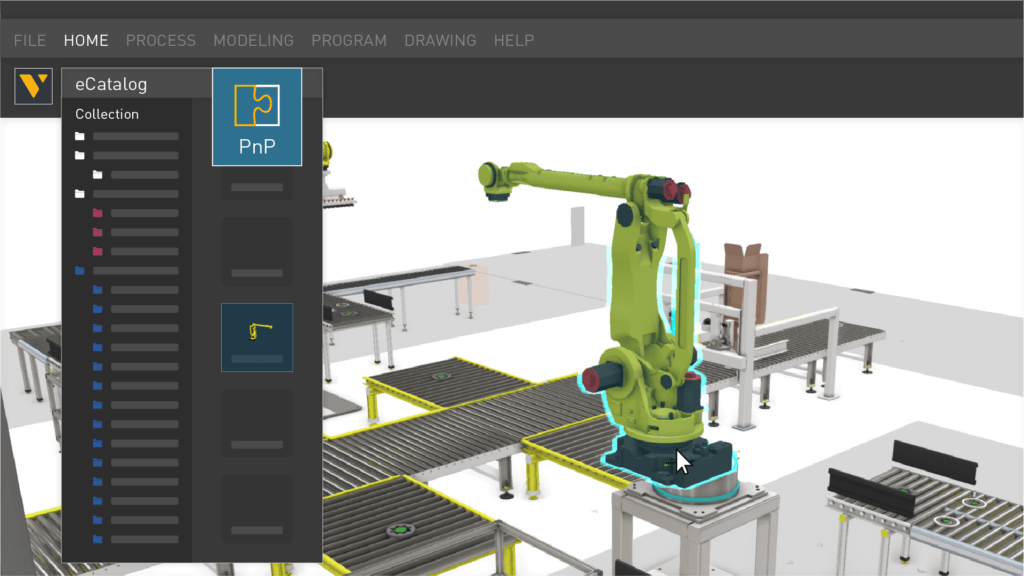
Digital twins are shaking up manufacturing by blending virtual and physical realities. These dynamic models offer real-time insights that simulations can't match.
Manufacturers are diving headfirst into the digital world. But it's not just about pretty visuals. It's about optimizing every step before things hit the factory floor. Two hotshots in this scene, simulation and digital twins, are changing the game. Let's break down why digital twins might just be the MVPs of the manufacturing world.
Simulation vs. Digital Twins: The Showdown
Simulations are like controlled test drives. They let you model scenarios, testing how a plant layout might work. But they don't talk back to the real world. Enter digital twins. These aren't just models, they're dynamic, real-time replicas of physical systems. Think of them like virtual doppelgangers that stay synced with reality, feeding data back and forth.
Here's the deal. Simulations are great for early-stage planning. You want to test out a new factory setup? Simulations offer low-risk mockups to spot design blunders before they cost you. But once your systems are live, digital twins take over. They offer real-time performance tweaks and predict maintenance needs before they become problems.
Why You Should Care
In the fast-paced world of manufacturing, who wouldn't want a continuous feedback loop that turns data into action? Digital twins do exactly that. They create a effortless bridge between your factory floor and your decision-making processes. The speed difference isn't theoretical. You feel it.
Wondering if you really need this? If you're aiming for efficiency and adaptability, the answer is yes. If you haven't bridged over yet, you're late. Digital twins convert data into insights, helping you make smarter decisions on the fly. Why wouldn't you want that?
The Future Is Bright
So where do simulations fit in? They're the foundation. Before you can have a digital twin, you need a solid simulation. It's like laying the groundwork for a skyscraper. But don't stop there. Digital twins are the future. They push manufacturers to be proactive, not just reactive.
Another week, another Solana protocol doing what ETH promised. In a similar vein, digital twins are doing what static models only dream of. They're not just a fancy add-on. They're a necessity for any forward-thinking manufacturer looking to stay competitive.
Get AI news in your inbox
Daily digest of what matters in AI.