Why Decentralized AI Could Be the Future We Need
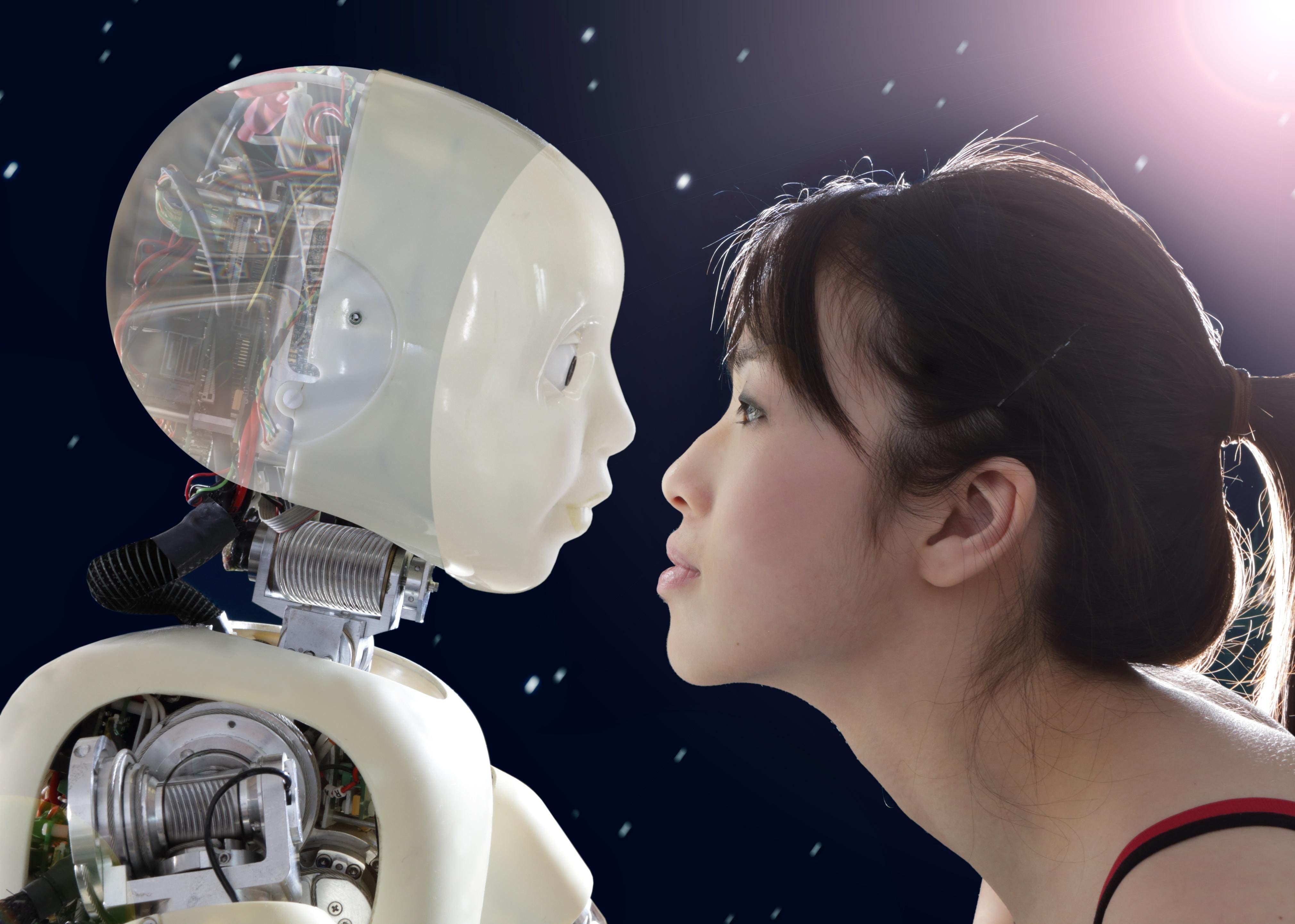
Centralized AI has its limits. A shift towards decentralized, biologically-inspired systems could redefine intelligence in tech. But are we ready?
Centralized artificial intelligence systems have long dominated the tech landscape, with their efficiency and power being widely recognized. But what if decentralization offers a more sustainable path forward? It's a question more folks are asking these days as we grapple with the limitations of our current models.
The Case for Decentralization
Centralized AI systems, like Silicon Valley's giants, rely on massive data accumulation and processing power. But they're inherently limited by bottlenecks and single points of failure. Enter decentralized systems, inspired by biological ecosystems. These systems promise resilience, adaptability, and collaboration on a scale centralized models can't match. In a world where we're increasingly dependent on AI, isn't it time we looked to nature for inspiration?
Decentralized AI comprises smaller, autonomous agents working in harmony without a central controlling brain. Think of a school of fish or a flock of birds. They navigate complex environments with ease, adapting and thriving. Now, imagine applying those principles to AI. That's the vision some forward-thinking experts are advocating for.
Why It Matters
The pitfalls of centralized AI are clear. Data breaches, privacy concerns, and the immense energy consumption required to keep these systems running are just a few. The productivity gains went somewhere, but it wasn't to wages. Decentralization offers a more efficient, potentially more ethical approach, distributing intelligence across numerous agents that can share and process data locally.
This shift isn't just technical. It's about redefining who holds the power in our digital age. Ask the workers, not the executives, and you'll find a growing demand for systems that are more equitable and less prone to abuse. The labor market could see a shift too, as decentralized systems may require a different skill set, potentially creating new job opportunities in the process.
The Road Ahead
So, what's stopping us from embracing this brave new world? Well, the tech industry isn't known for changing its course quickly. There's a lot of vested interest in keeping things the way they're. After all, those centralized systems are cash cows for the companies that own them. But as concerns about privacy, security, and environmental impact continue to mount, the case for decentralized AI grows stronger.
Automation isn't neutral. It has winners and losers. The question is, which side will we choose to be on? Will we cling to old models, or embrace systems that might just better serve humanity in the long run?
I talked to the people this affects. Here's what they said: They're ready for change. The only question left is whether the industry is ready to listen.
Get AI news in your inbox
Daily digest of what matters in AI.