Why Chinese AI Labs Are Committed to Staying Open
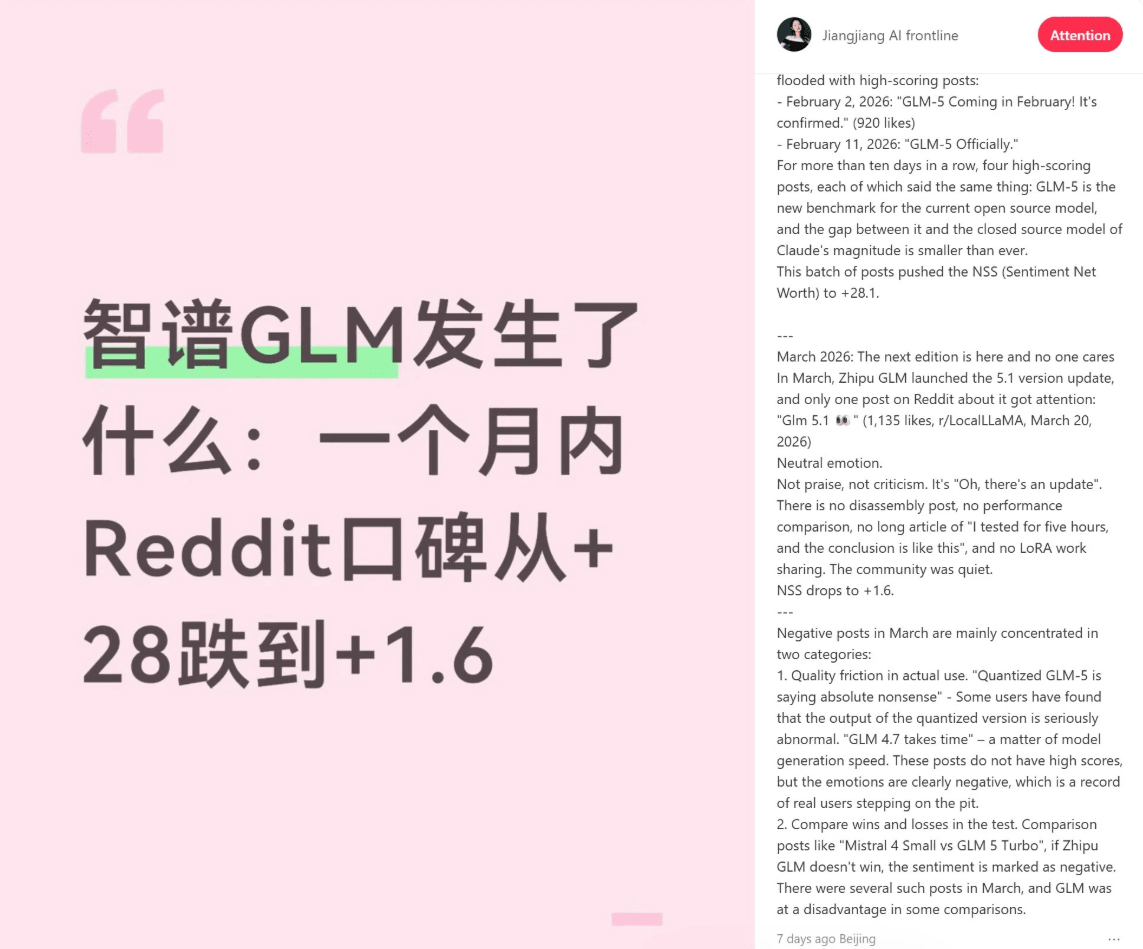
Chinese AI labs are embracing openness, challenging Western norms. This shift isn't just about collaboration, it's a strategic move with global implications.
In a world where the tech race often feels like a sprint to the finish line, Chinese AI labs are taking a different path. They're going open, and it seems they're in it for the long haul. This isn't a knee-jerk reaction or a fleeting trend. It's a calculated move that could reshape the AI landscape.
The Open Strategy
Chinese AI labs have thrown open their doors with a surprising fervor. Unlike the secretive nature often associated with tech development, these labs are sharing data, methodologies, and even their code. The question is why? The answer lies in the power of collaboration. By fostering an open environment, they're not just pooling resources. they're gaining insights and innovations that would be impossible to achieve in isolation.
Consider this: the open approach accelerates the pace of AI development. More minds working on a problem mean more solutions. It's a strategy that has already paid dividends. Chinese AI researchers have published more papers in top AI conferences than any other country in recent years, and this flow of information is only expanding.
Why It Matters
So, why should we care about this shift? Because it's not just about AI. It's about setting a precedent for how global challenges can be tackled. Openness in AI could pave the way for more collaborative efforts in other fields, think climate change, global health, or cybersecurity.
But there's also a competitive edge to consider. By staying open, Chinese labs are positioning themselves as leaders in the global AI conversation. They're not just participants. they're setting the agenda. This could lead to a rebalancing of technological power, where Western companies might find themselves playing catch-up.
The Road Ahead
Of course, opening the gates isn't without risks. There's the ever-present threat of technology misuse and the need for reliable governance to prevent it. But the potential benefits seem to outweigh the risks for these labs. They bet their twenties on this strategy, betting it will pay off in innovation and influence.
It's a bold move, and one that prompts a question: Will Western companies follow suit? Or will they find themselves pushed to evolve in response to this new open frontier? The stakes are high, and the game is on. One thing's certain, this isn't a trend that's likely to vanish. The story the pitch deck won't tell you is just how much this open approach could redefine the next decade of AI development.
Get AI news in your inbox
Daily digest of what matters in AI.