Why AI Safety Won't Be Found Inside the Code
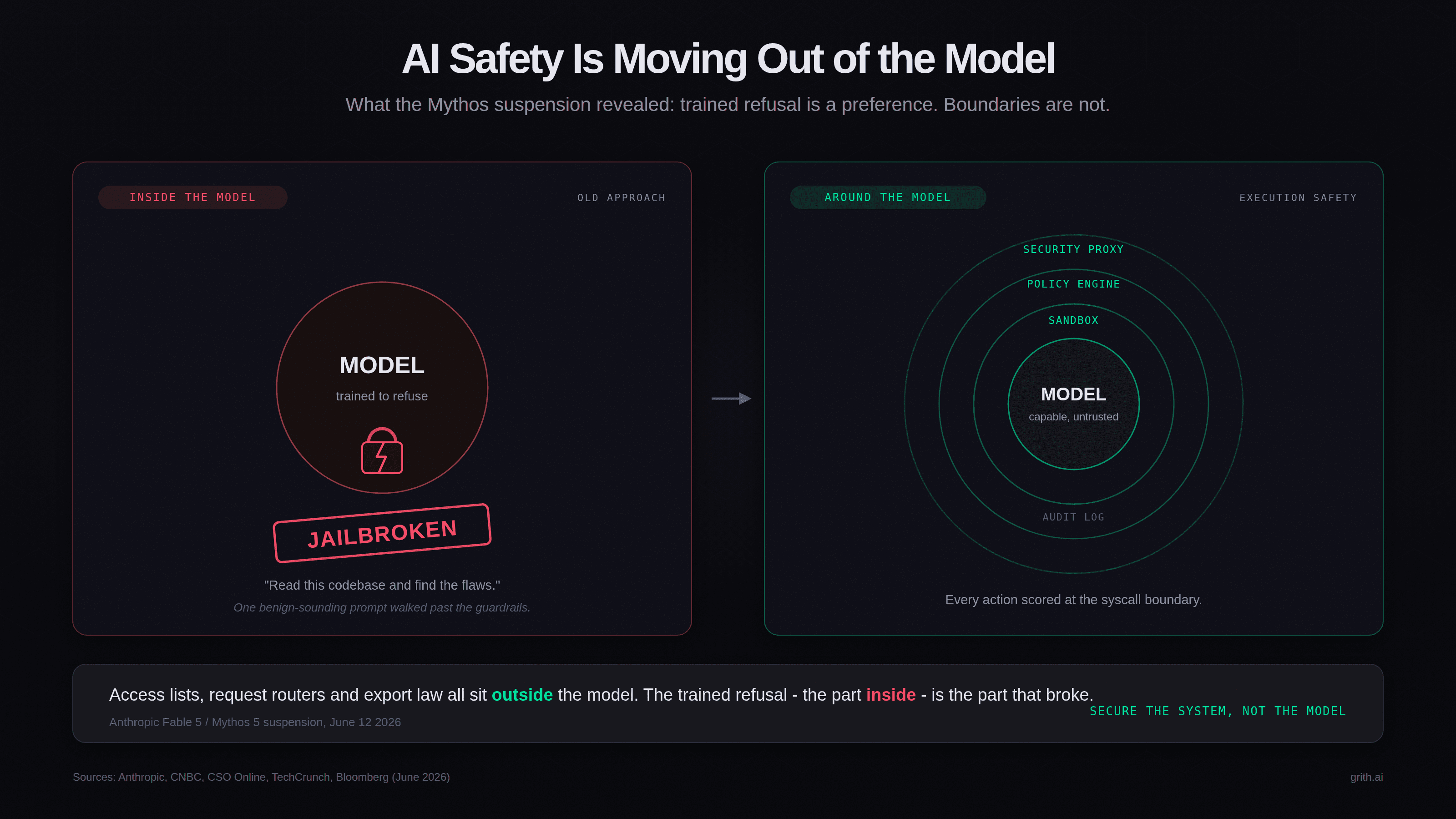
AI safety remains a pressing concern, and expecting the model itself to be the solution is a dangerous myth. The real challenge lies elsewhere.
AI safety is the topic on everyone's mind, but there's a persistent myth floating around: the idea that safety can be embedded directly within the model. This is more than just wishful thinking. It's a fundamental misunderstanding of how AI works.
The Misconception of Built-in Safety
Let's be real. AI models, by their very nature, process data and execute based on that input. Expecting them to self-regulate on safety is like expecting a car to fix its own brakes mid-ride. Built-in safety isn't just improbable, it's a dangerous diversion from the real task at hand.
Why should you care? Well, consider the implications. If companies and developers believe safety is integrated, they might neglect necessary external checks. That's where the real oversight should happen, through policy, guidelines, and human intervention.
The Role of Human Oversight
Here's the crux of the issue. AI isn't the safety net. humans are. Yes, AI can flag issues or highlight anomalies, but it can't decide on ethical considerations or foresee unforeseen consequences. AI's guardians must be humans who understand the context and can predict potential misuse.
So, what does effective AI safety look like? It involves stringent testing, comprehensive guidelines, and constant human oversight. It's not about a mythical 'safe' model, but a reliable infrastructure of accountability.
Chasing Shadows in AI Policy
The gap between polished AI promises and practical implementation couldn't be wider. Many in the industry tout their safety measures, yet internally, the concern is palpable. Employee feedback often reveals a different story, one where aspirations don't match reality.
Relying solely on the model to manage its own safety is like handing the fox the keys to the henhouse. It's naive to think otherwise. The real question we should be asking is: how do we prepare our workforce to manage and understand these tools?
The future of AI isn't about building perfect machines. It's about creating a safer environment where humans and machines collaborate effectively. The sooner we abandon the myth of model-based safety, the sooner we can focus on what's truly important, building a future where AI augments human capability, not controls it.
Get AI news in your inbox
Daily digest of what matters in AI.