Why AI Chatbots Still Struggle in Long Conversations
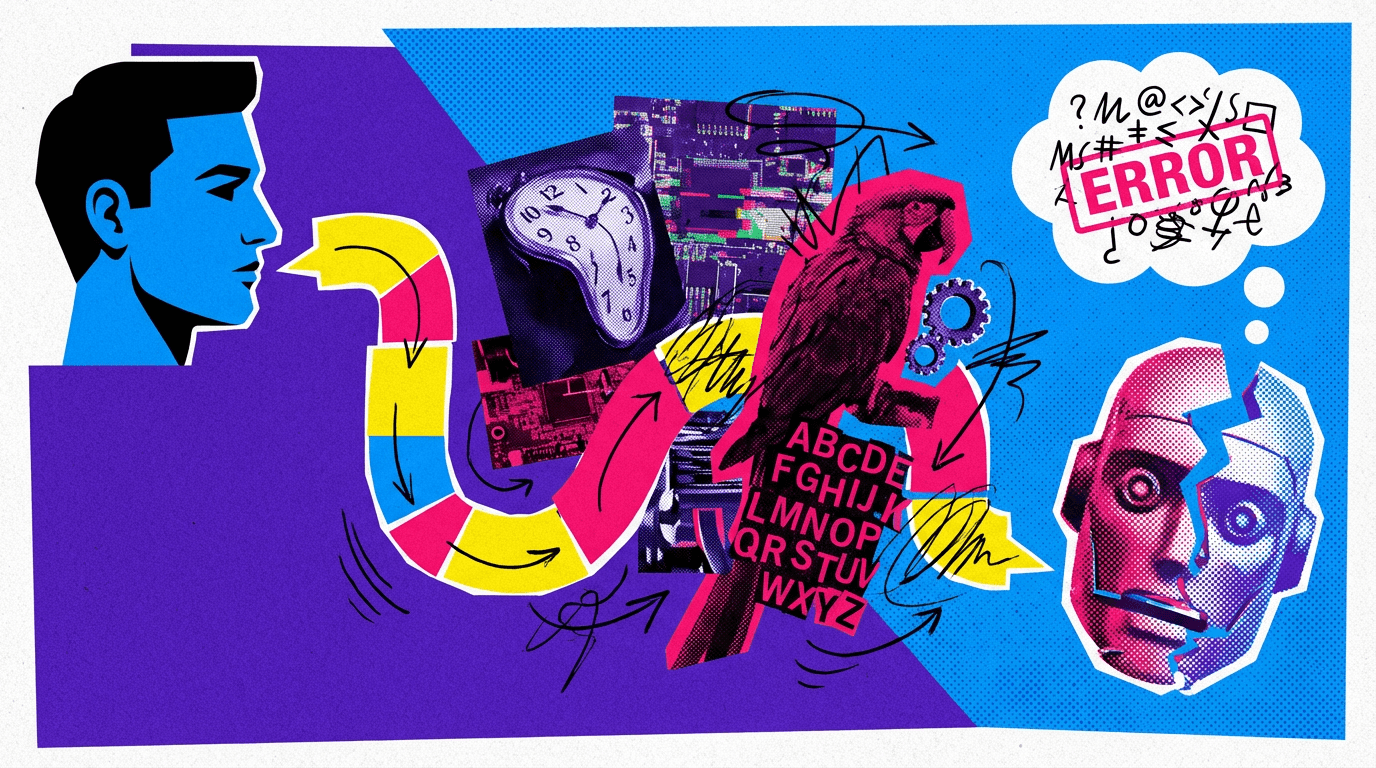
Even the latest AI models like GPT-5.2 falter in long chats, losing up to 33% accuracy. Why haven't advancements solved this?
AI chatbots have come a long way, but even the newest models like GPT-5.2 and Claude 4.6 still struggle with maintaining accuracy in extended conversations. Despite advancements, these models lose up to 33% of their accuracy when chats go on too long.
The Challenge with Long Dialogues
Why do these advanced models still falter? The reality is, the longer the conversation, the greater the chance for error. Large language models (LLMs) start strong, but as the context window fills, they lose track. This isn't about parameter count or sheer computational power. It's about how these models handle and maintain context over time.
Strip away the marketing, and you get a clearer picture: the architecture matters more than the parameter count. Current architectures aren't perfect for long, continuous dialogue. It's like running a marathon with great initial speed but faltering halfway through.
Why This Matters
Why should we care? AI's reliability in long conversations is key for applications like customer service and therapeutic chatbots. If an AI loses 33% accuracy, can we trust it to handle sensitive tasks? Here’s what the benchmarks actually show: the drop in performance is consistent across various scenarios.
One might wonder, why hasn't this issue been resolved? The numbers tell a different story. Improving context retention without ballooning computational needs is tricky. While research continues to push boundaries, there's no magic fix yet.
Looking Ahead
What can be done? Rethinking the architectural approach is a start. Researchers need to focus on models that inherently understand and maintain context better. Until then, chatbots will remain challenged by long conversations. Frankly, it's a limitation that could hinder AI's integration into more sophisticated roles.
Get AI news in your inbox
Daily digest of what matters in AI.
Key Terms Explained
Anthropic's family of AI assistants, including Claude Haiku, Sonnet, and Opus.
The maximum amount of text a language model can process at once, measured in tokens.
Generative Pre-trained Transformer.
A value the model learns during training — specifically, the weights and biases in neural network layers.