White House Weighs Oil Sanction Lift: A Tactical Shift?
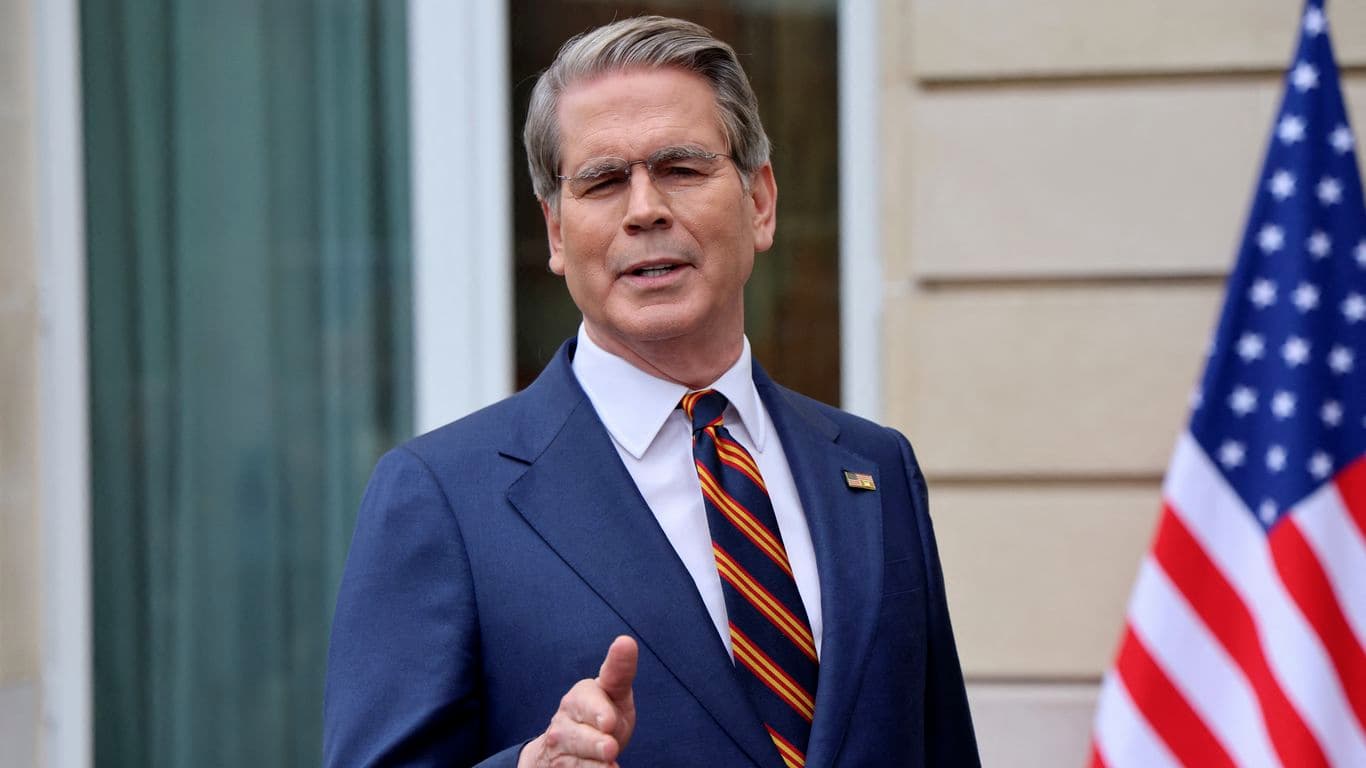
The Biden administration considers easing sanctions on Iranian oil at sea to curb soaring prices, raising questions about strategic priorities.
The Biden administration is in the hot seat as it considers lifting sanctions on Iranian oil currently at sea. Treasury Secretary Scott Bessent announced on Thursday that this move could be a strategic play to stabilize rising oil prices. It's a significant pivot that speaks volumes about the administration's current priorities.
The Oil Price Surge
Brent crude, the global oil benchmark, has seen a 10% spike in just 24 hours, now hovering around $111 per barrel. That's a staggering 60% increase since pre-war levels. It's no wonder the administration is pulling out all the stops to rein in these costs. The real question is, at what price?
Releasing Iranian oil could introduce about 140 million barrels into the market. That's roughly a 10 to 14-day supply, a short-term fix, but a fix nonetheless. But what does this say about the administration's stance? It's a concession in war that wasn't entertained during peace talks.
A Tactical Shift or a Desperate Move?
For weeks, the White House has managed to keep oil prices from spiraling by providing assurances, like promising tanker escorts through the Strait of Hormuz and temporarily lifting sanctions on Russian oil. Adding unsanctioned Iranian oil to this mix might seem like a logical next step, but it represents a dramatic shift in policy. So, is this tactic a stroke of genius or a desperate measure?
Nicholas Mulder, a sanctions expert from Cornell University, says, "The U.S. has to dial back sanctions to offset the second order effect of war." It's a move that might stabilize prices, but it also highlights the volatility of the current geopolitical landscape. The administration appears to be conceding something in war that it was unwilling to give in peace.
The Broader Implications
The White House referred questions about the Iranian sanctions to the Treasury Department, which hasn't provided further details. This lack of transparency only adds to the uncertainty. The administration's willingness to ease sanctions could signal a broader shift in how it plans to manage foreign policy amidst economic pressures.
Ultimately, the decision to free up Iranian oil could be a calculated risk aimed at economic stability. But it also raises questions about long-term strategy and geopolitical alliances. Is this a sustainable approach, or are we merely kicking the can down the road?
Get AI news in your inbox
Daily digest of what matters in AI.