White House Memo Aims to Rein in AI Risks in National Security
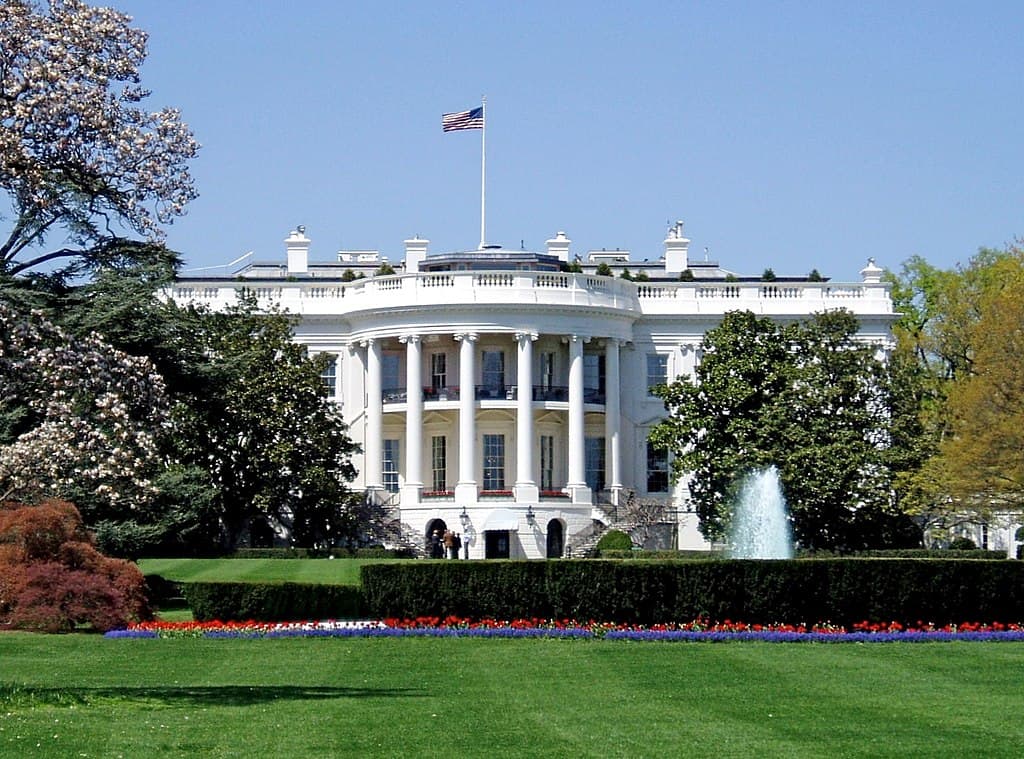
A new National Security Memorandum from the White House sets the stage for AI governance in defense and national security, emphasizing collaboration and risk management.
Last week, the White House unveiled its latest National Security Memorandum focused on AI governance and risk management. This memo lays the groundwork for how national security agencies should approach AI procurement, infrastructure security, and model evaluation. Additionally, it emphasizes the importance of building AI expertise within the U.S. government.
AI Safety at the Forefront
One significant move is the formal authorization of the AI Safety Institute at the U.S. Department of Commerce. This institute is now poised to act as the federal government's main contact for AI evaluations. By centralizing AI safety efforts, the government aims to speed up evaluations and ensure a unified approach to AI governance.
The memo also highlights the role of the National AI Research Resource in sharing AI development tools with academics and civil society. Collaboration is key, but are we doing enough to integrate AI development resources effectively?
Balancing Competition and Collaboration
Hamza Chaudhry, a U.S. Policy Specialist, underscored the memo's importance in recognizing AI risks in national security and defense. However, Chaudhry warns against a purely competitive stance on AI development. Instead, he advocates for collaboration with strategic competitors, not just allies, to ensure responsible AI progress. Without international cooperation, creating a stable framework for AI governance becomes significantly more challenging.
Enterprise AI is boring. That's why it works. The memo's prescriptions need to become more than recommendations, they must turn into enforceable policy. Relying solely on voluntary commitments won't cut it, especially as the election approaches and priorities might shift.
The Path Forward
This memorandum is a turning point first step, but it's not a panacea. Safeguarding AI in national security demands ongoing commitment and action. The container doesn't care about your consensus mechanism. It's the real-world applications and their governance that matter.
Let's not forget, trade finance is a $5 trillion market running on fax machines and PDF attachments. AI, the ROI isn't in the model. It's in the 40% reduction in document processing time. As the memo gains traction, the real test will be converting its guidelines into concrete policies that reflect these priorities.
Get AI news in your inbox
Daily digest of what matters in AI.
Key Terms Explained
The broad field studying how to build AI systems that are safe, reliable, and beneficial.
The process of measuring how well an AI model performs on its intended task.
The practice of developing and deploying AI systems with careful attention to fairness, transparency, safety, privacy, and social impact.