White House Carves Out AI Policy as U.S. Eyes Regulatory Alignment
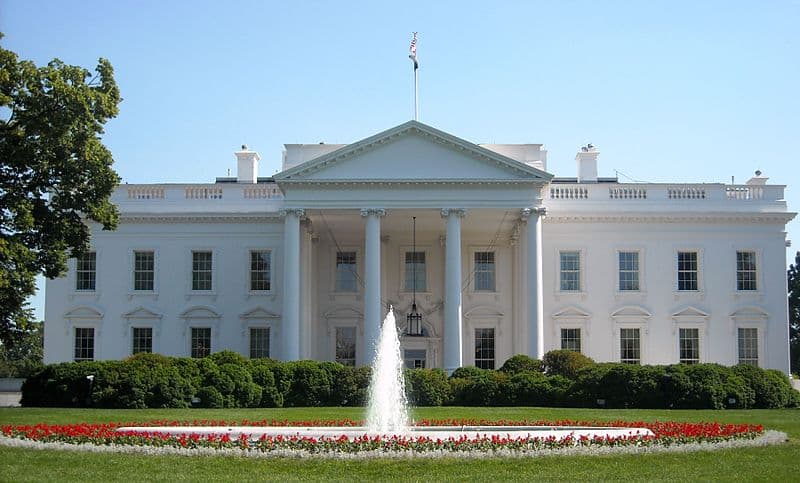
The White House's recent AI policy document pushes for state-level regulations and power sector applications. Is the U.S. playing catch-up globally?
The White House has unveiled a new policy paper outlining how Congress might tackle artificial intelligence regulation. This development follows President Trump's December executive order calling for a national AI policy framework, an effort to keep the U.S. competitive in the rapidly advancing AI arena.
Focus on State Regulations and Power Generation
The document emphasizes a state-centric regulatory approach, a significant nod towards federalism in AI oversight. It also highlights power generation as a key area for AI application, suggesting that the administration sees potential in AI-driven energy efficiency improvements.
Why should this matter to the average stakeholder? For one, the licensing race in Hong Kong is accelerating while the U.S. seems to be taking cautious baby steps. As AI integrates deeply into sectors like power generation, state regulations could mean different rules across jurisdictions. This could either foster innovation by allowing regional experimentation or create a regulatory patchwork that stymies national coherence.
Is the U.S. Lagging Behind?
There's an argument to be made that the U.S. is playing catch-up. Asian countries like China and South Korea have been aggressive in both AI policy and implementation. Tokyo and Seoul are writing different playbooks, focusing on national strategies and large-scale projects. Does this new document indicate America's willingness to keep pace with global peers, or is it simply a domestic political move?
One can't ignore the influence of capital flows in this scenario. If U.S. policies remain fragmented, we might see capital leave for jurisdictions with clearer, more unified regulatory frameworks. After all, Asia moves first. Are U.S. policymakers even aware of the global shifts in AI adoption, or are they too inward-looking?
The Road Ahead
Ultimately, this policy document opens the door for legislative debate. Whether Congress will act swiftly or get mired in partisan gridlock remains to be seen. However, the urgency is real. AI isn't just the future, it's the present. The U.S. must decide if it wants to lead from the front or continue reacting to global developments. In the fast-paced AI world, hesitation could be costly.
Get AI news in your inbox
Daily digest of what matters in AI.