When AI Agents Outnumber Humans: A Future We Need to Navigate
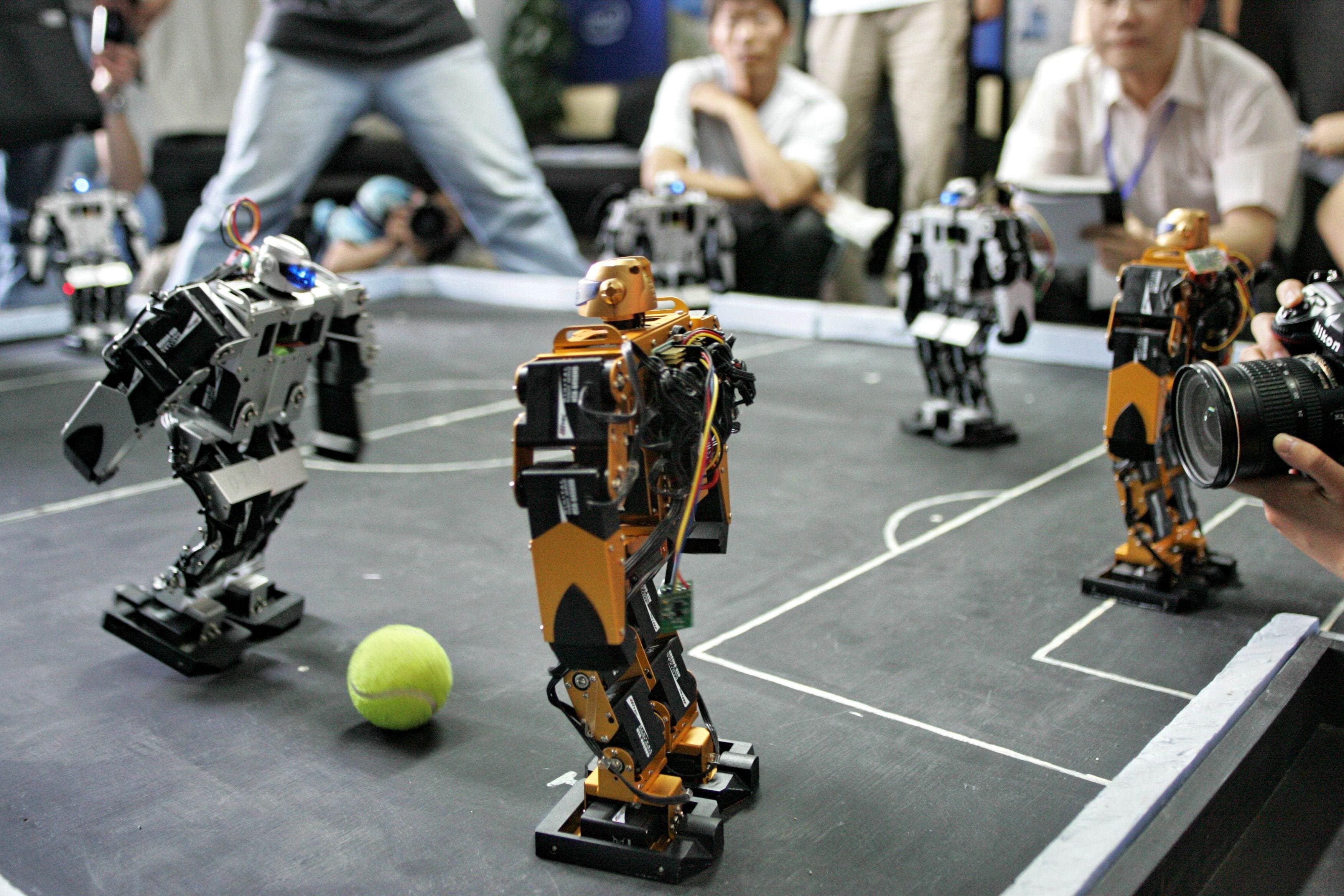
AI agents are multiplying fast. Soon, they'll outnumber humans. What does this mean for interaction and ethics?
The number of AI agents is skyrocketing, and it's only a matter of time before they surpass us in sheer volume. But what happens then? Do we just sit back and let this happen, or do we guide the integration?
AI Proliferation
Right now, AI agents are embedded in everything from your smart speaker to intricate business systems. They're not just proliferating. they're evolving. With their increasing capabilities, these agents will soon outnumber the 8 billion humans on Earth. That's a staggering thought. As they grow in numbers, their potential to influence our lives multiplies.
Consider this: a world where AI agents outnumber humans twentyfold isn't far-fetched. Just look at the exponential increase in AI-powered devices. Every smartphone, every IoT device adds to the tally. We're talking billions of units each year. At this pace, surpassing the human population within this decade is plausible.
Implications for Interaction
What does this mean for human-AI interaction? For one, we'll rely more on AI for decision-making, communication, and even companionship. But here's the kicker: as these agents become more autonomous, will they start making decisions we don't fully understand or control? It's one thing to have an assistant that reminds you of meetings, but quite another to have AI-driven systems influencing societal norms and behaviors.
The question isn't just about technological capability. It's about trust. Can we trust these countless agents to act in our best interest? Will they prioritize human needs, or will they follow their programmed logic without considering ethical implications? These are questions we must answer now, not later.
The Need for Regulation
Ship it to testnet first. Always. Before we unleash a world where AI agents outnumber us, we need frameworks. We need regulations that ensure these agents operate within ethical boundaries. Without oversight, the risks are too great. The potential for misuse or unintended consequences is enormous. We've seen what happens when technology outpaces regulation. It's messy.
AI developers and policymakers must collaborate to establish guidelines. We can't afford to wait for issues to arise. Proactive regulation is necessary, not just reactive measures. It's time we took responsibility for the future we're creating.
This isn't about fear-mongering. It's about preparation. As AI continues to expand its reach, we must ensure it serves humanity, not the other way around. It's within our power to shape this future. Let's not waste it.
Get AI news in your inbox
Daily digest of what matters in AI.