Waymo's Human Error Problem: Autonomous Taxi Missteps in Austin
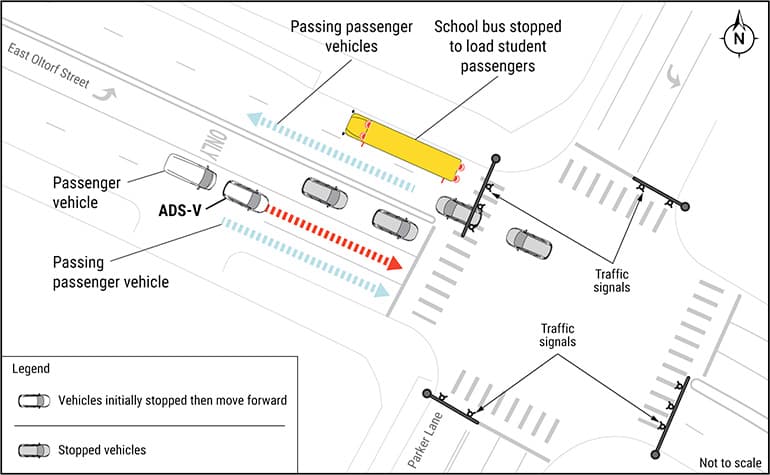
Waymo's autonomous vehicle, intended to reduce human error, ironically encounters trouble due to a human mistake. The incident, involving a school bus in Austin, highlights significant gaps in current self-driving technology.
Waymo's self-driving taxi fleet is under scrutiny yet again after an incident in Austin revealed a troubling 'human-in-the-loop' failure. On January 12, 2026, a Waymo autonomous vehicle, a 2024 Jaguar I-Pace, wrongfully passed a stopped school bus due to a remote operator's error.
Human Error in Autonomous Systems
While autonomous technology promises a future free of human error, this incident underscores a critical flaw: humans are still part of the equation. The vehicle did what it was programmed to do, stop and seek help. Yet, the remote human operator misjudged and gave the go-ahead to pass the bus illegally.
What's striking is the vehicle's inquiry, "Is this a school bus with active signals?" The human operator incorrectly responded "No," leading the vehicle to proceed. That decision didn't just affect the Waymo car. it set a precedent for other drivers to follow, compounding the safety risk.
The Broader Legal and Safety Implications
According to Texas Transportation Code Section 545.066, drivers, including autonomous vehicles, must remain stopped until a school bus retracts its signals. Waymo's mistake didn't only involve one vehicle, it influenced a line of drivers who followed suit, showcasing a systemic risk in autonomous operations.
Waymo's recent issues aren't isolated. A similar incident in Atlanta saw one of their vehicles illegally pass a school bus, raising questions about the effectiveness of their remote human oversight. These events beg the question: Is the integration of human operators a solution or a liability?
Facing the Future of Autonomous Driving
This isn't just an isolated misstep. it's a wake-up call for the entire autonomous industry. As regulators like the NTSB investigate, the focus will be on tightening protocols to prevent such human errors from undermining autonomous technology's promise. The market map tells the story, autonomous vehicles might still need more evolution before they can truly eliminate human risk.
As Waymo and its peers race towards an autonomous future, the competitive landscape shifted this quarter. The integration of human oversight in self-driving systems needs re-evaluation. How these companies address these challenges will define the trajectory of the autonomous vehicle market. If you're betting on a tech-driven future, the numbers show it's time for a strategic rethink.
Get AI news in your inbox
Daily digest of what matters in AI.