Voyager's Moonshot: Astrobotic Acquisition Fuels Lunar Ambitions
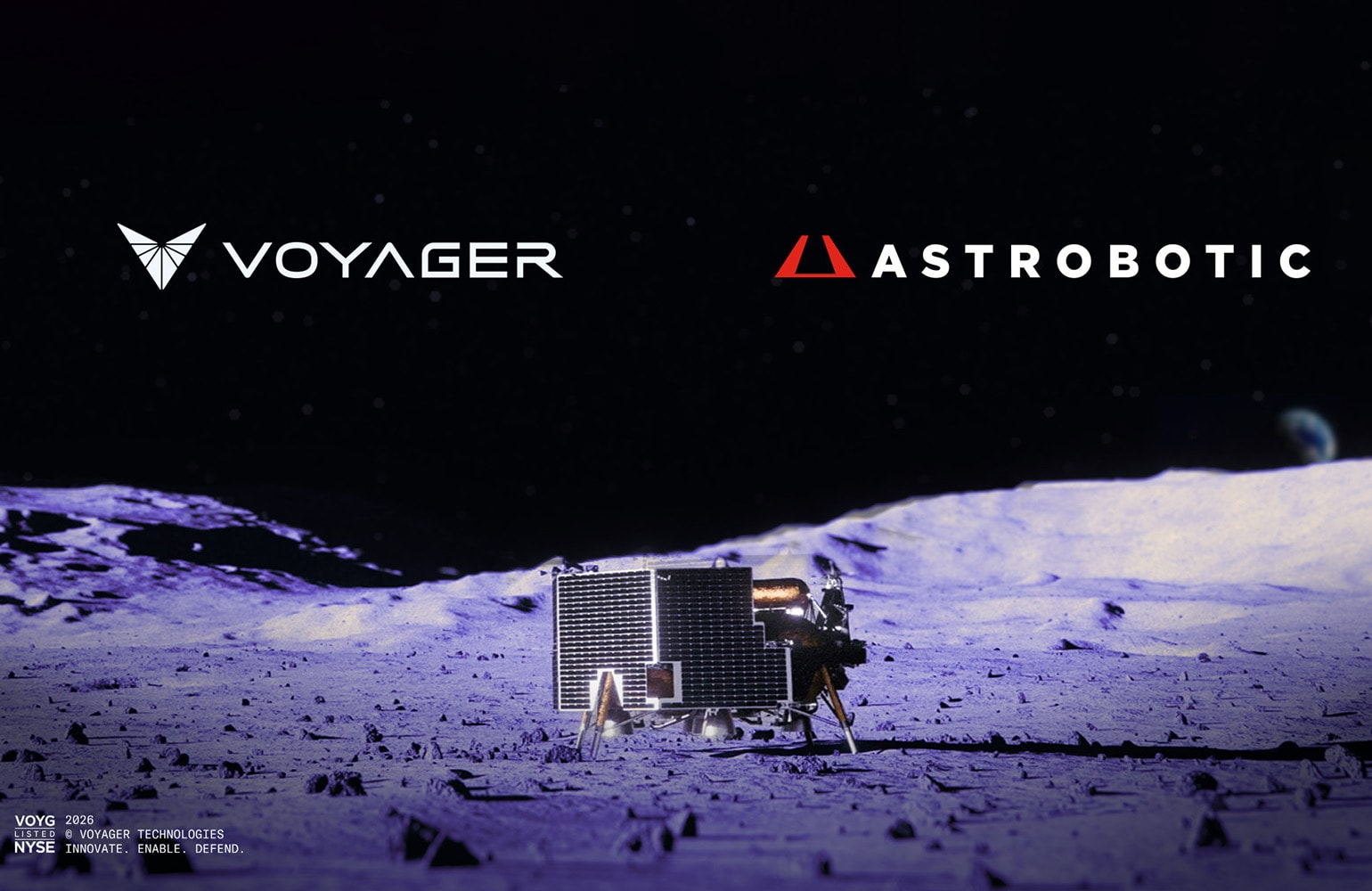
Voyager Technologies is set to acquire Astrobotic Technology, boosting its lunar initiatives. The move aims to establish a permanent U.S. presence on the moon by 2028.
Voyager Technologies, a Denver-based defense tech firm, is making a significant leap towards its lunar ambitions. This week, Voyager announced its intention to acquire Astrobotic Technology, a Pittsburgh company known for its commercial lunar delivery services and reusable rocketry.
Astrobotic Joins Voyager's Moon Mission
Astrobotic will become a cornerstone of Voyager's strategic lunar initiative. This acquisition promises to bring together the necessary hardware and expertise to land, sustain, and work on the moon's surface. For Astrobotic, which has spent nearly two decades aiming to make the moon accessible, this deal is a major milestone.
John Thornton, CEO of Astrobotic, expressed optimism, stating, "Joining Voyager provides the scale, resources, and long-term commitment our mission calls for." The partnership, he believes, will accelerate the establishment of America's moon base. But can this partnership truly fast-track lunar colonization, or is it just another ambitious corporate promise?
Scaling Lunar Infrastructure
Voyager plans to invest heavily in Astrobotic's lunar and reusable rocket programs. It's all part of a broader effort to support NASA's Artemis program. With a target of a permanent U.S. presence on the moon by 2028, the stakes are high. Voyager's commitment to scaling these programs suggests a serious attempt to meet this ambitious goal.
The acquisition will also see Astrobotic's Moon Base headquarters in Pittsburgh become the hub of Voyager's lunar strategy. Griffin Mission One, Astrobotic's mission to transport payloads including two rovers to the moon, will remain on track.
Robotics at the Heart of Lunar Exploration
Robots are poised to play a turning point role in Voyager's lunar endeavors. The company has already tested the waters by collaborating with Icarus Robotics to test their free-flying Joy robot on the ISS by 2027. This mission management contract highlights Voyager's belief in robotics as a key driver of space exploration.
Scott Rodriguez, Voyager's VP of government programs, emphasizes the necessity of robotics in space, particularly in building infrastructure on the moon and Mars. "You just can't build all that with human labor," he noted. "It's going to have to be robotically driven."
As the transaction awaits regulatory approval and aims to close by early July 2026, the question remains: Will Voyager's acquisition of Astrobotic be the catalyst for a new era of lunar exploration, or just another footnote in the annals of space ambitions?
Get AI news in your inbox
Daily digest of what matters in AI.