Voyager's $300 Million Bet on Lunar Future with Astrobotic
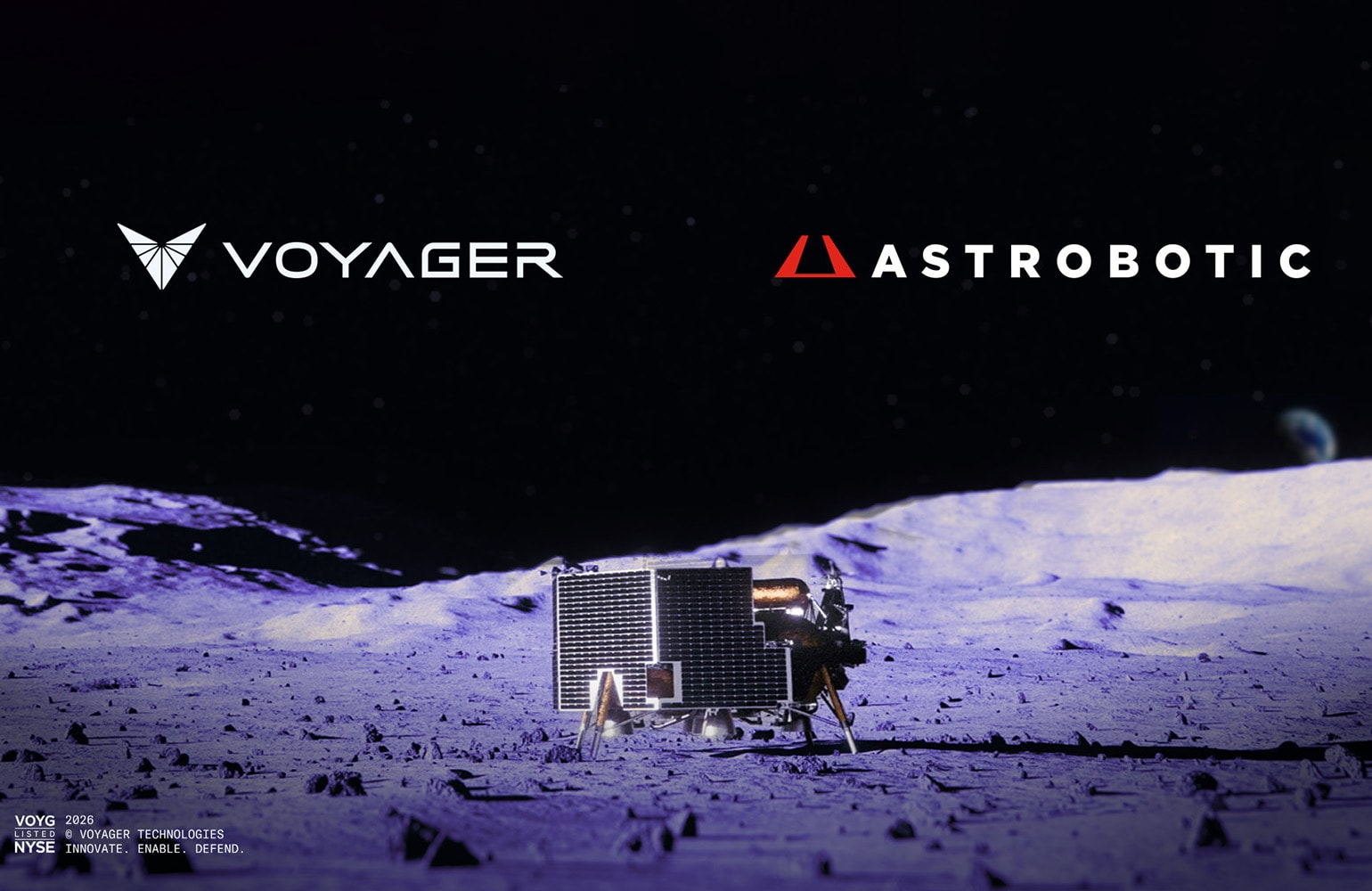
Voyager Technologies' acquisition of Astrobotic Technology for $300 million positions it as a key player in lunar exploration. This strategic move supports NASA's vision for a sustained presence on the moon by 2028.
In a decisive stride towards a future dominated by lunar exploration, Voyager Technologies has announced its acquisition of Astrobotic Technology Inc. for a substantial sum of $300 million. This move aligns Voyager with the strategic vision of establishing a reliable U.S. presence on the moon, a goal that has gained new urgency under the auspices of NASA's Artemis program.
Lunar Base Ambitions
Astrobotic, based in Pittsburgh, has long been at the forefront of commercial lunar delivery and infrastructure. The acquisition sees Astrobotic becoming an integral part of Voyager's ambitious lunar initiatives, providing the hardware and systems necessary for sustainable life and operations on the moon. John Thornton, CEO of Astrobotic, emphasized that the merger offers the scale and resources necessary to advance their mission of making lunar habitation a reality.
The reserve composition matters more than the peg when considering the strategic underpinnings of this acquisition. By integrating Astrobotic's capabilities, Voyager aims to accelerate the timeline for establishing a permanent U.S. moon base, a vision shared by NASA Administrator Jared Isaacman, with a target set for 2028.
Continuity and Expansion
Following the acquisition, Voyager plans to enhance Astrobotic's existing lunar and reusable rocket programs. This includes mission management and surface delivery through Astrobotic’s Peregrine and Griffin landers, all while maintaining the operational stability and leadership continuity that have characterized Astrobotic's past successes. Voyager's investment in Max Space for long-duration habitation and dust mitigation technologies adds layers to its strategic lunar initiative.
Astrobotic's headquarters will serve as the nucleus of Voyager's lunar aspirations, with the Griffin Mission One poised to deliver new payloads to the moon on schedule. This mission exemplifies the smooth integration of Astrobotic's expertise into Voyager's broader strategy.
Robotics and the Lunar Future
Robotics stands at the heart of Voyager's lunar ambitions. The company recently collaborated with Icarus Robotics to test free-flying robots on the International Space Station, signaling a broader commitment to robotic operations in space. According to Scott Rodriguez, Voyager's vice president of government programs, the future of lunar construction and satellite servicing will increasingly rely on robotic labor.
The dollar's digital future is being written in committee rooms, not whitepapers, and similarly, the future of lunar exploration is being shaped by strategic partnerships and investments. Could this acquisition mark a turning point for lunar exploration led by commercial enterprises? As Astrobotic transitions under Voyager's leadership, the potential for innovation and advancement in lunar technology seems boundless.
With the transaction expected to close by July 2026, subject to customary regulatory approvals, Voyager is set to redefine its role in space exploration, one that could very well dictate the trajectory of lunar development for years to come.
Get AI news in your inbox
Daily digest of what matters in AI.