VDA 5050 v3.0: A Game Changer for Mobile Robot Communication
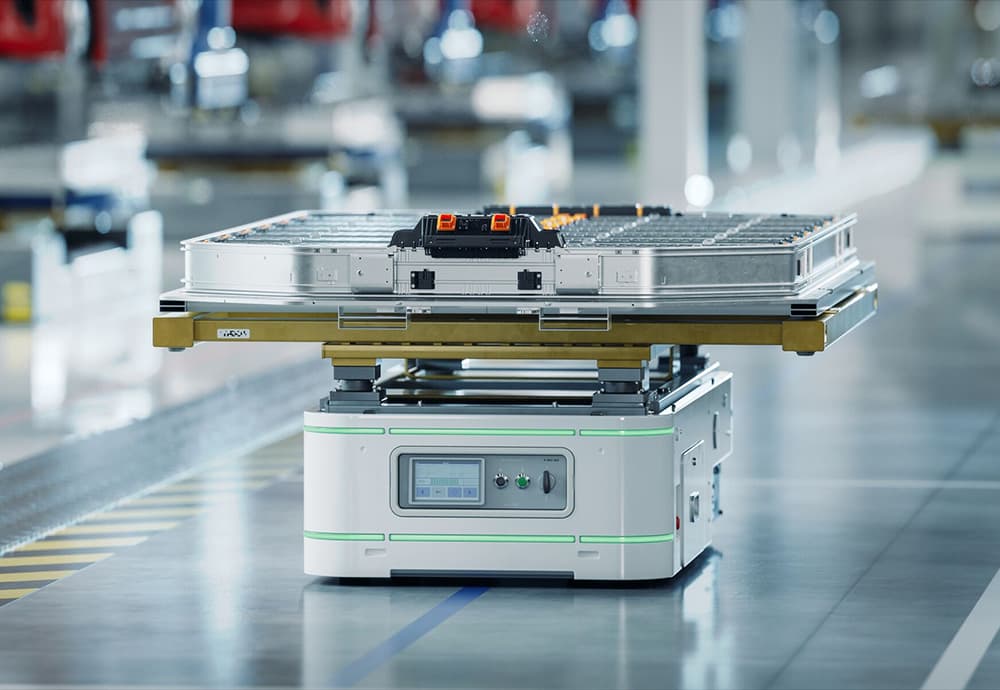
The new VDA 5050 v3.0 interface promises greater flexibility for mobile robots, enabling them to operate efficiently across mixed fleets. But will it live up to its claims?
VDMA Materials Handling has unveiled Version 3.0 of its VDA 5050 communication interface, marking a significant step in mobile robot integration. This latest update promises to transform the way diverse mobile robots communicate, offering a single control system for mixed fleets. But is this the efficiency boost the industry truly needs?
Breaking Down Barriers
Dr. Marcus Bollig, managing director of VDA, lauds Version 3.0 as a strategic element for future-proofing global logistics. The open interface standardizes communication between master controllers and mobile robots, enabling interoperability. This could be the key to scalable automation, but the affected communities weren't consulted on potential employment impacts.
The ability to integrate robots with higher autonomy levels is a highlight. VDMA introduces a zone concept for free navigation, granting robots the freedom to plan paths within specified areas. Yet, the system was deployed without the safeguards the agency promised. Will these changes truly meet the growing demands for flexibility in intralogistics?
Enhancements and Skepticism
Version 3.0's toolkit approach allows for customization based on autonomy levels and project needs. A power-saving mode and local language error messages aim to simplify operations, while maintaining predefined obstacle avoidance strategies. Public records obtained by Machine Brief reveal potential security vulnerabilities unaddressed by these updates.
However, the success of VDA 5050 hinges on whether it can deliver on promises of efficiency without compromising safety. The documents show a different story. Can this version truly support the complex demands of modern logistics, or is it another overhyped tech solution?
Get AI news in your inbox
Daily digest of what matters in AI.