U.S.-Iran Talks: A Stalemate With High Stakes
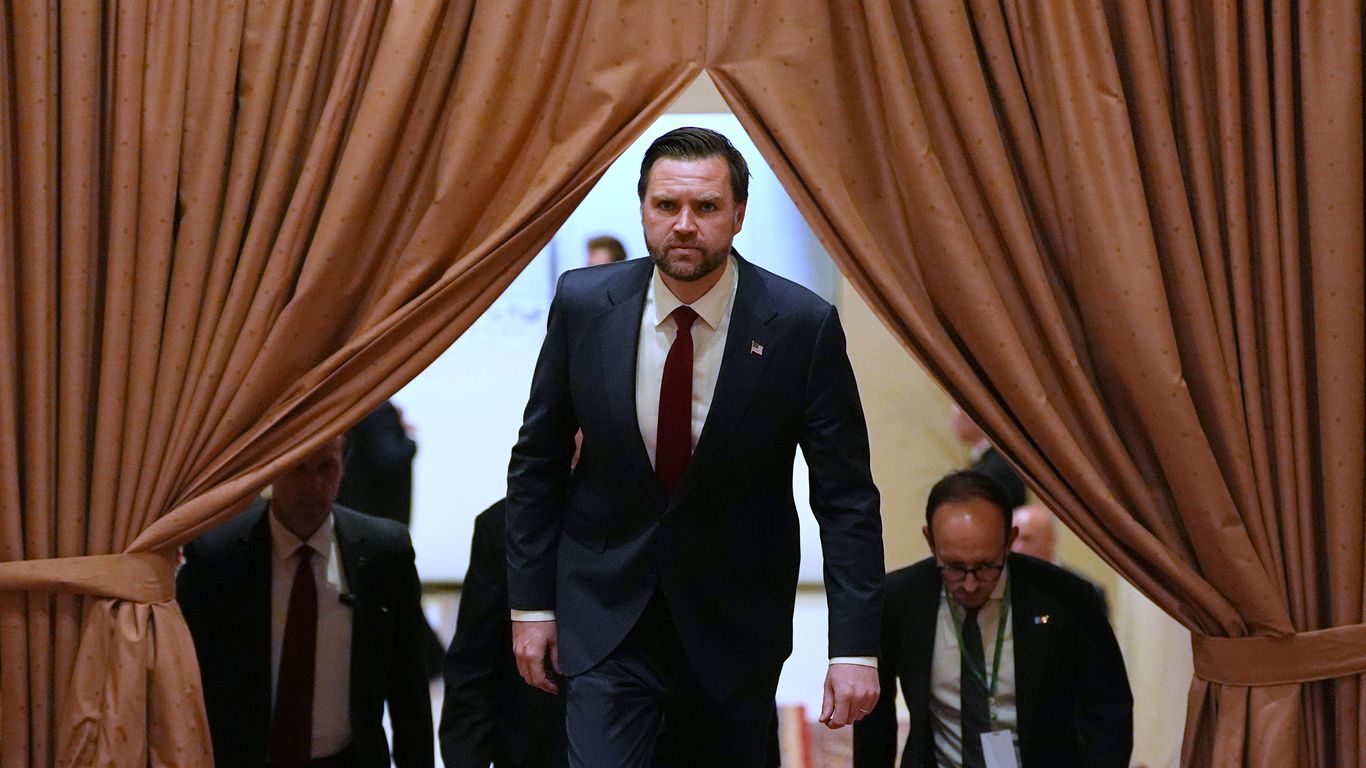
After 21 hours of tough negotiations in Pakistan, the U.S. and Iran have hit a deadlock. This leaves a recent ceasefire in limbo and raises concerns about potential conflict escalation.
This week in 60 seconds: the U.S. and Iran couldn't seal a deal. After a marathon 21-hour negotiation session in Pakistan, Vice President Vance announced they left the table without an agreement. The two-week ceasefire from last week? It's now hanging by a thread.
Stuck in the Middle
Vance didn't mince words. In Islamabad, he said, 'This is bad news for Iran much more than for the U.S.' Both nations had 'substantive discussions,' but the gaps proved too wide. The U.S. pushed for a long-term commitment from Iran to steer clear of nuclear ambitions. Iran, it seems, wasn't ready to sign on the dotted line.
The U.S. approached the talks with flexibility, according to Vance. They were ready to compromise, yet couldn't make the giant leap they hoped for. So, who's really to blame here? And with tensions high, what happens next?
Phone a Friend
These weren't just any negotiations. The U.S. team was in constant contact with President Trump, plus top brass including Secretary of State Marco Rubio and Defense Secretary Pete Hegseth. Less than half a dozen calls, but enough to keep the big wigs in the loop. Clearly, this was a high-priority mission.
But is this just about nuclear weapons, or is there a bigger game at play? One thing's for sure: the stakes are sky-high. A return to hostilities? Nobody wins there.
What's Next?
Vance left with a clear message: the ball's in Iran's court now. The U.S. has laid out its 'final and best offer.' Will Iran bite? Or are we on the brink of something much more worrisome? The answer might just shape the future of international relations.
Missed it? Here's what happened: no deal, a shaky ceasefire, and a lot of uncertainty. That's the week. See you Monday.
Get AI news in your inbox
Daily digest of what matters in AI.