Unmasking AI False Flags: What's Really at Stake?
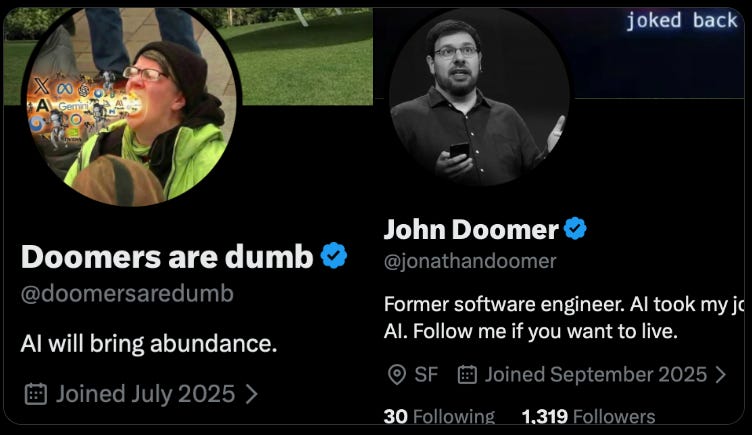
AI's rise brings both innovation and risk. As 'false flags' emerge, we must scrutinize AI's role in misinformation and its wider impact on society.
The emergence of 'false flag' operations involving AI is a stark reminder of the dual-edged nature of technology. As AI continues to advance, so does its potential for misuse. In recent discussions, the term 'false flag' has surfaced with increasing frequency, particularly in the context of AI-generated misinformation. But what does this really mean for society?
The Rise of AI-Driven Misinformation
AI's ability to generate highly realistic content has opened a Pandora's box of possibilities. On one hand, it's a boon for creative industries, automating tasks and generating new forms of media. On the other, it's a powerful tool for actors with less savory intentions. The use of AI to create convincing but false narratives, 'false flags', can have serious implications for public discourse, policy decisions, and even elections.
If an AI can produce content indistinguishable from human-generated material, who holds accountability? This question becomes important as misinformation risks spiral. The very same technology that can democratize content creation can also democratize deceit. And while the tech community often champions the benefits, it's important not to turn a blind eye to the risks.
The Stakes Are High
What happens when these AI-driven 'false flags' infiltrate news cycles or social media? The potential for chaos is huge, eroding trust in media and institutions. This isn't just a theoretical risk. We've seen early examples where AI-generated content has been weaponized to sway opinions or fuel conflicts. The stakes are high, and it's not just about AI ethics, it's about societal impact.
Regulatory bodies and tech companies need to collaborate, establishing frameworks for responsibility and verification. Slapping a model on a GPU rental isn't a convergence thesis. It's a call for mature AI governance. Yet, the challenge remains: as AI evolves, so too must our systems of accountability.
Looking Ahead
For AI to continue as a force for good, the industry must prioritize transparency and verification. Show me the inference costs. Then we'll talk about viable solutions. The intersection is real. Ninety percent of the projects aren't. But the ten percent that are genuine hold the potential to shape the future in profound ways.
The question isn't whether AI will continue to grow in capability, it's how we manage that growth responsibly. If we don't address these 'false flags' head-on, we risk losing control over the narrative itself. As AI's influence deepens, so does our responsibility to ensure it's used ethically and transparently. Are we ready to rise to the challenge?
Get AI news in your inbox
Daily digest of what matters in AI.