Uni-1: Luma AI's Bold Step into Image AI
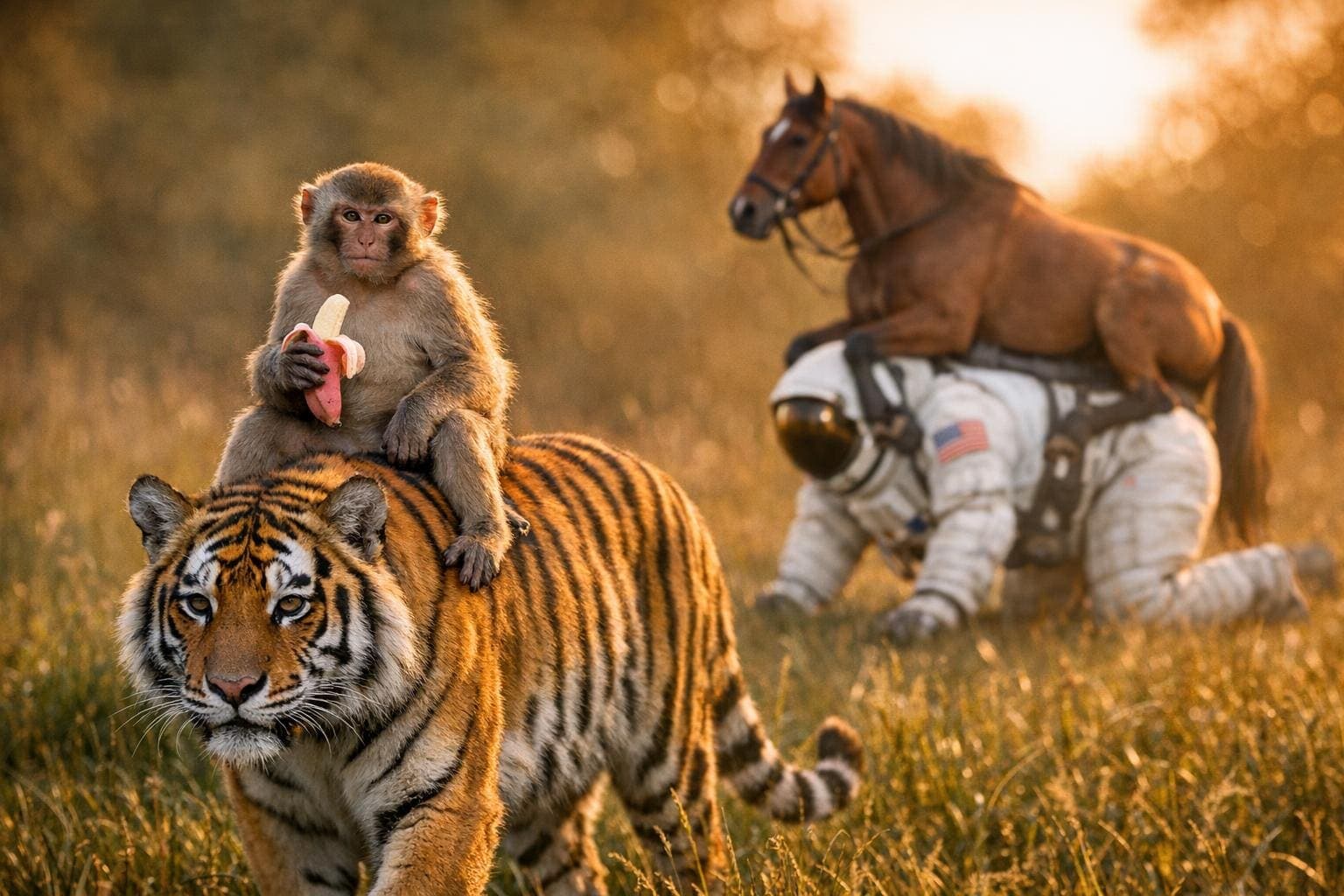
Luma AI introduces Uni-1, a model blending image understanding and generation. It's a potential rival to Google's dominance in this space.
Luma AI has unveiled Uni-1, a new model that could shake up the image AI landscape. By combining image understanding and generation in a single architecture, Uni-1 aims to challenge the likes of OpenAI and Google.
What Sets Uni-1 Apart?
The real allure of Uni-1 lies in its ability to reason through prompts while generating images. This integration isn't just a technical feat. It's a strategic move to position Luma AI as a serious contender against Google's Nano Banana model, a staple in image generation.
But does Uni-1 have what it takes to dethrone industry leaders? The reality is, while Google's models are entrenched, innovation is often the disruptor. Luma AI seems to understand this.
Why Should We Care?
Strip away the marketing and you get a technology that could democratize access to sophisticated image generation. If Uni-1 lives up to its promise, creatives and developers could use a new tool that's both powerful and intuitive.
Here's what the benchmarks actually show: Uni-1's performance boasts impressive throughput and latency, critical metrics in AI efficiency. This could translate to faster and more accurate image generation, a boon for industries reliant on visual data.
The Road Ahead
What does this mean for the broader market? Frankly, competition drives progress. If Luma AI's Uni-1 can deliver on its claims, we might see accelerated advancements across the board. Will Google and OpenAI respond with innovations of their own?
In a field as dynamic as AI, resting on laurels isn't an option. The architecture matters more than the parameter count. Luma AI's strategic bet on Uni-1 could redefine how we interact with image models.
Get AI news in your inbox
Daily digest of what matters in AI.