Trump's Stake in AI Giants: A Capitalist Gamble
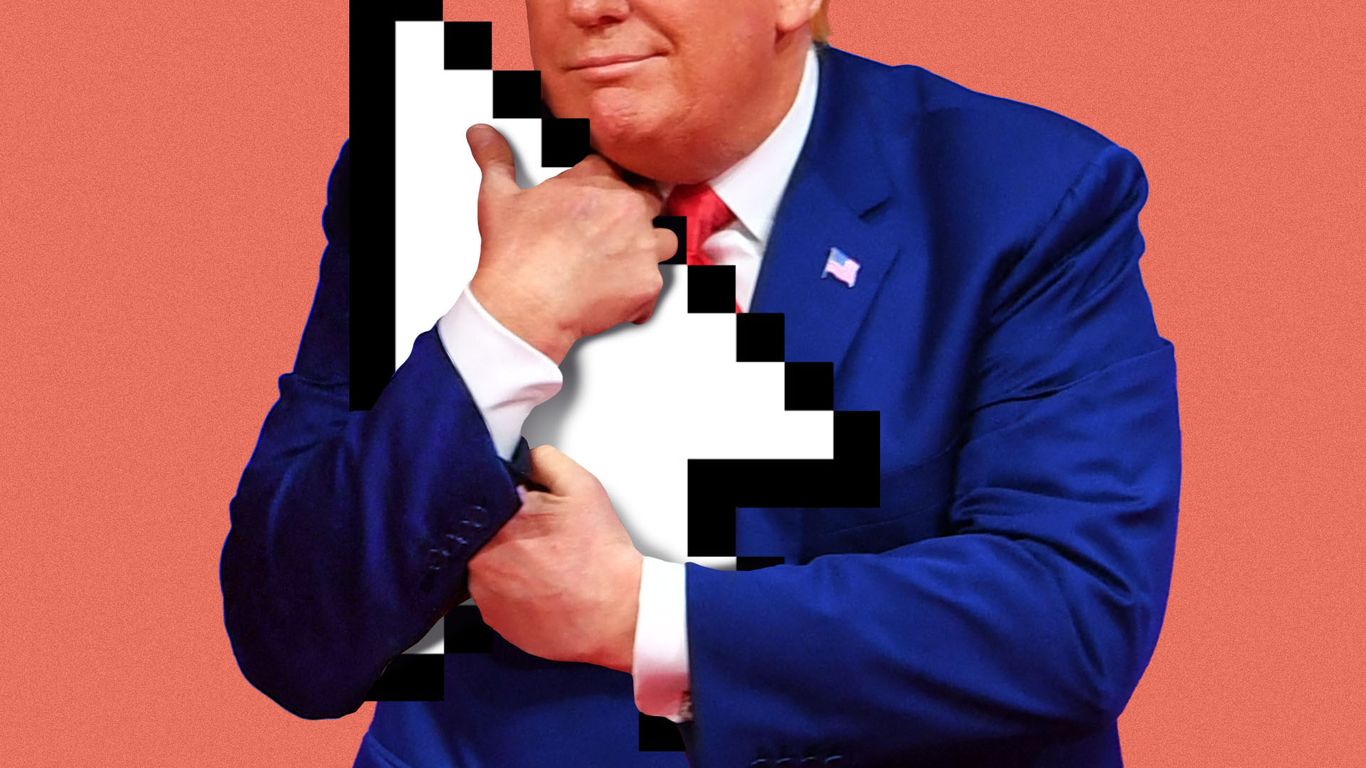
Trump's bid for U.S. government stakes in AI firms marks an economic shift, merging state interest with corporate growth. It's a daring mix of capitalism and control.
President Donald Trump's recent maneuver to have the U.S. government take equity stakes in AI companies such as OpenAI and Anthropic isn't just a departure from traditional Republican ideology, it's a gamble with profound economic implications. While the move echoes a Bernie Sanders-style interest in capturing the spoils of AI's burgeoning market, Trump's motivations are firmly rooted in profit potential rather than populism.
Government as Shareholder
This shift sees the U.S. government owning stakes in industries ranging from chipmakers to quantum computing firms. Trump, reflecting on a recent decision to acquire a stake in Intel, quipped about his potential as a stockbroker. It's a strategy that seems to defy the free-market principles typically championed by his party, prompting the question: Is this the Republican version of managed capitalism?
With AI companies potentially valuing trillions, even a modest government stake could translate into significant revenue. A 2% share in a $3 trillion company, for instance, equates to $60 billion. This presents an intriguing scenario where government interests align with corporate expansion, a natural fit with Trump's existing laissez-faire stance on AI policy.
The Bernie Comparison
Interestingly, Trump's approach finds an unlikely parallel in Senator Bernie Sanders' legislative proposals. Sanders advocates for a one-time 50% tax on top AI firms, with proceeds funneled into a sovereign wealth fund for public distribution. Trump, however, prefers voluntary equity stakes, framing it as a partnership in the AI revolution. This subtle but significant distinction underscores a broader ideological schism in how government should engage with rampant technological growth.
Both Trump and Sanders aim to ensure government benefits from AI's economic windfall, yet their methods reflect contrasting visions of how such wealth should permeate society. Trump's method is direct, a cold, calculated investment strategy rather than a redistributive tax policy.
Behind Closed Doors
As the Trump administration sets the stage for these partnerships, internal shifts hint at a changing tide. The departure of AI czar David Sacks and impending exit of deputy Sriram Krishnan indicate a recalibration rather than a policy breakdown. Sacks, a libertarian at heart, openly cautioned against governmental stakes, wary of what might unfold under a Democratic administration, yet not because he sees Trump straying from accelerationism.
In this environment, the stakes are high, quite literally, as the government contemplates its role as a shareholder. Trump's upcoming meeting with tech giants promises to crystallize the nature of this unprecedented public-private collaboration. What remains to be seen is whether this move represents a savvy economic strategy or a risky political gamble.
The proof of concept is the survival, and in this case, the survival is the sustainable marriage of state interest with corporate growth. One must ask: Could this be the blueprint for a new American economic doctrine, or will it unravel amidst competing interests?
Get AI news in your inbox
Daily digest of what matters in AI.