Trump's Health Check: What the Latest Report Tells Us
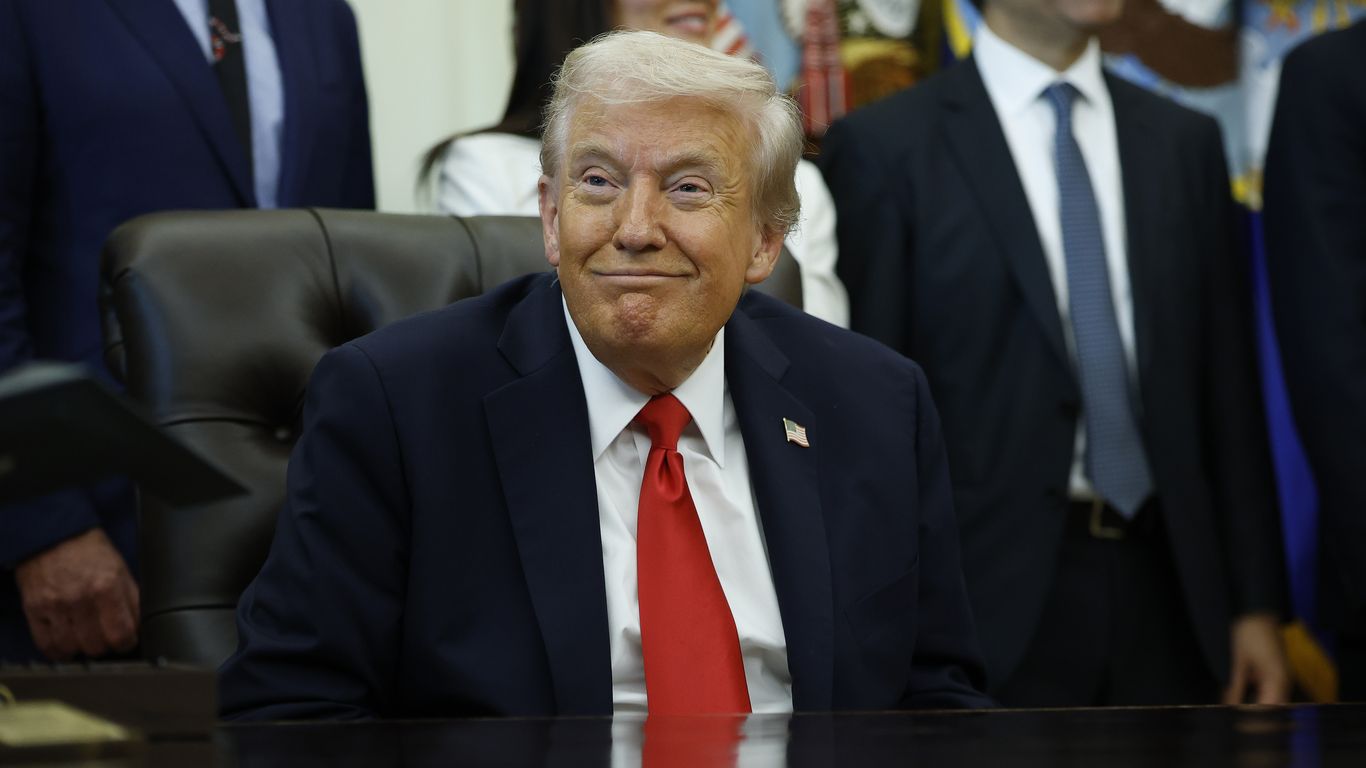
Trump's recent health checkup memo raises questions despite a positive outlook, sparking debate over transparency and the necessity of certain tests.
President Trump’s medical evaluations continue to stir conversation around where the line between public's right to know and a leader's medical privacy should be drawn. His latest checkup has only added fuel to this ongoing debate.
The Report’s Details
The White House released a memo last Friday night, detailing Trump's recent visit to Walter Reed Medical Center. It claims the 80-year-old is in 'excellent health.' Yet, the timing and content of this release have left media and public alike questioning its thoroughness.
Exam results describe Trump as having a 'strong cardiac, pulmonary, neurological, and overall physical function'. The report rationalizes bruises on his hands as a result of frequent handshakes and aspirin therapy, while mentioning 'slight lower leg swelling', improved from the previous year.
Notably, an AI-enhanced ECG suggests his 'cardiac age' is about 14 years younger than his actual age. But ask yourself, is 'cardiac age' really a diagnostic measure, or just a clever way to spin the narrative of good health?
Unanswered Questions
Despite the memo's comprehensive look, critics like Jonathan Reiner, Dick Cheney’s former heart doctor, have pointed to gaps, such as why multiple CT heart scans were needed and how the team is addressing Trump’s daytime fatigue. The court’s reasoning hinges on clarity, but here, the memo seems to dodge rather than address.
Also, Trump was advised to lose weight, with his current weight pegged at 238 pounds, which is 14 pounds more than his April 2025 physical. This raises questions about his adherence to medical advice, especially given his known dietary preferences.
Frequency and Necessity
Bob Wachter of UCSF questioned Trump’s seemingly frequent physicals, highlighting that a physical is typically annual unless chronic conditions necessitate more. Is this over-caution, or an attempt to allay public concern over an aging president’s health?
The inclusion of two cholesterol medications has also been scrutinized. Overkill? Perhaps, given the reported favorable bloodwork. Yet, the prescription of low-dose aspirin remains puzzling, considering his supposedly solid cardiovascular health.
The Bigger Picture
Ultimately, while the memo portrays Trump as fit, it skirts around detailed disclosures, leaving experts and public alike speculating. If the purpose is public reassurance, shouldn’t the transparency be as rigorous as the tests themselves?
In the high-stakes arena of political leadership, health is more than personal. It’s a matter of public trust and stability. And until there’s a precedent for full transparency, these medical memos will remain as much about what’s unsaid as what’s included.
Get AI news in your inbox
Daily digest of what matters in AI.