Trump's Executive Order: Voluntary AI Model Review Raises Questions
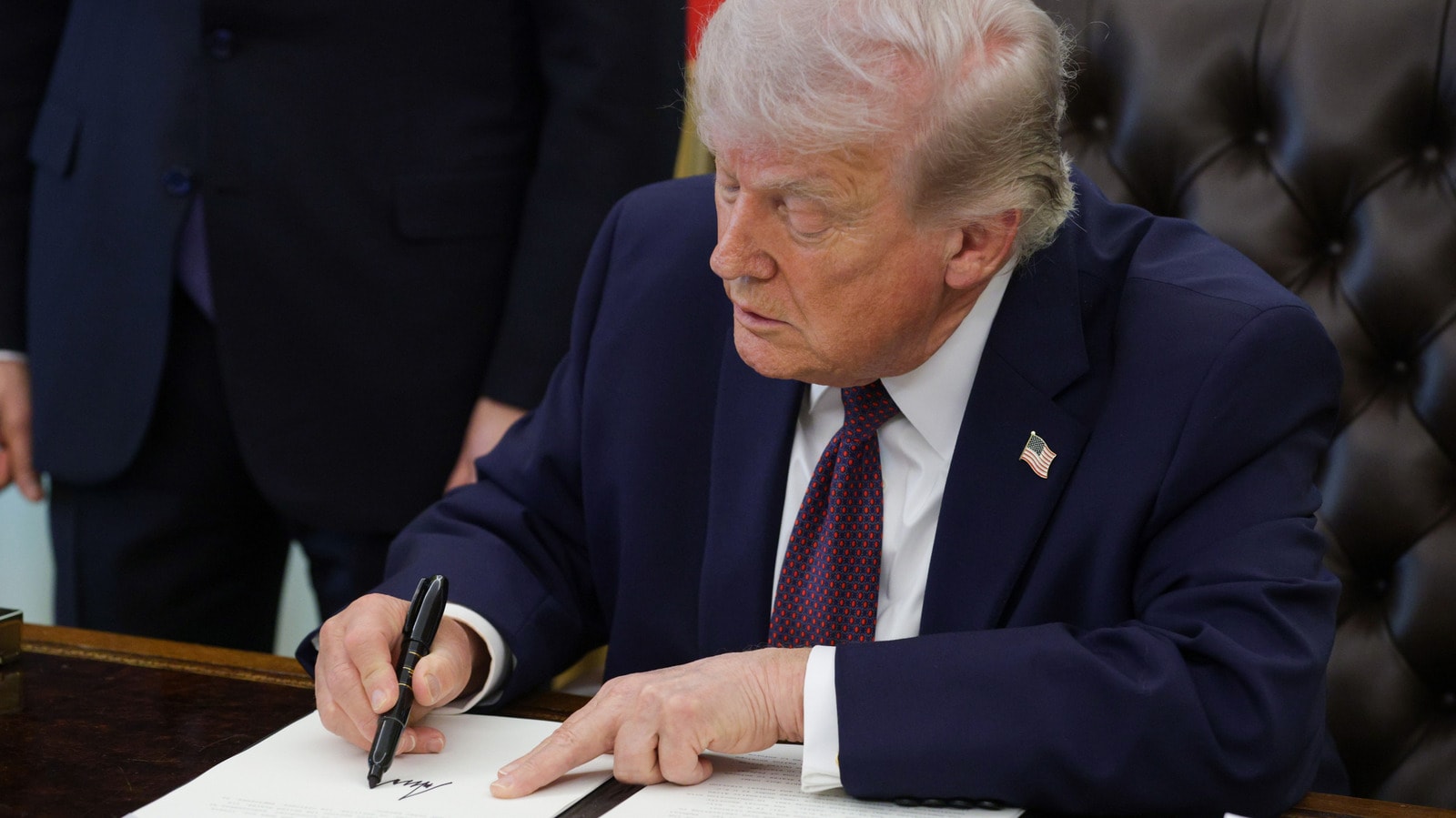
AI model developers can now voluntarily submit their models to the government for a 30-day review before release, under a new executive order by Trump. But what's the real impact?
The Trump administration has introduced an executive order allowing AI model developers to voluntarily submit their models to the government for a 30-day review before hitting the market. The decision aims to enhance transparency and safety in AI deployments, but it raises more questions than answers. If the AI can hold a wallet, who writes the risk model?
Decoding the Executive Order
This executive order signals a shift towards increased governmental oversight in AI development. However, the voluntary nature of the submission raises doubts about its efficacy. Will industry giants truly participate, or is this just political theater? The intersection is real. Ninety percent of the projects aren't.
There's no mandatory requirement, which makes it an unusual step. It's like asking tech companies to self-regulate, an approach with a checkered past. One can't help but wonder how many companies will actually opt in. The executive order might sound like a step toward accountability, but without teeth, it's more bark than bite.
Potential Implications
While voluntary compliance could promote safer AI rollouts, the industry's response will be telling. Will developers see this as a chance to set industry standards? Or as unnecessary red tape? Slapping a model on a GPU rental isn't a convergence thesis. The real question is whether this move can effectively influence AI's trajectory in the industry.
If big players like OpenAI or Google were to submit their models, it could set a precedent, encouraging smaller firms to follow suit. But let's be real, without clear incentives or requirements, it's anyone's guess how many will take this seriously. Show me the inference costs. Then we'll talk.
The Bigger Picture
In the grand scheme, this executive order might be a precursor to more stringent regulations. It could push for a standardized framework, setting the stage for future policy moves. However, without a mandatory element, the impact remains speculative at best. Decentralized compute sounds great until you benchmark the latency. Are we looking at the beginning of meaningful regulatory oversight, or just a fleeting political gesture?
Ultimately, the order leaves open questions about its enforcement and impact. It's a move trying to balance innovation with safety, but the lack of mandatory participation may undermine its effectiveness. The market's reaction will likely determine its success, and for now, that remains a waiting game.
Get AI news in your inbox
Daily digest of what matters in AI.