Trump's AI Push: Preemption and Power Struggles Ahead
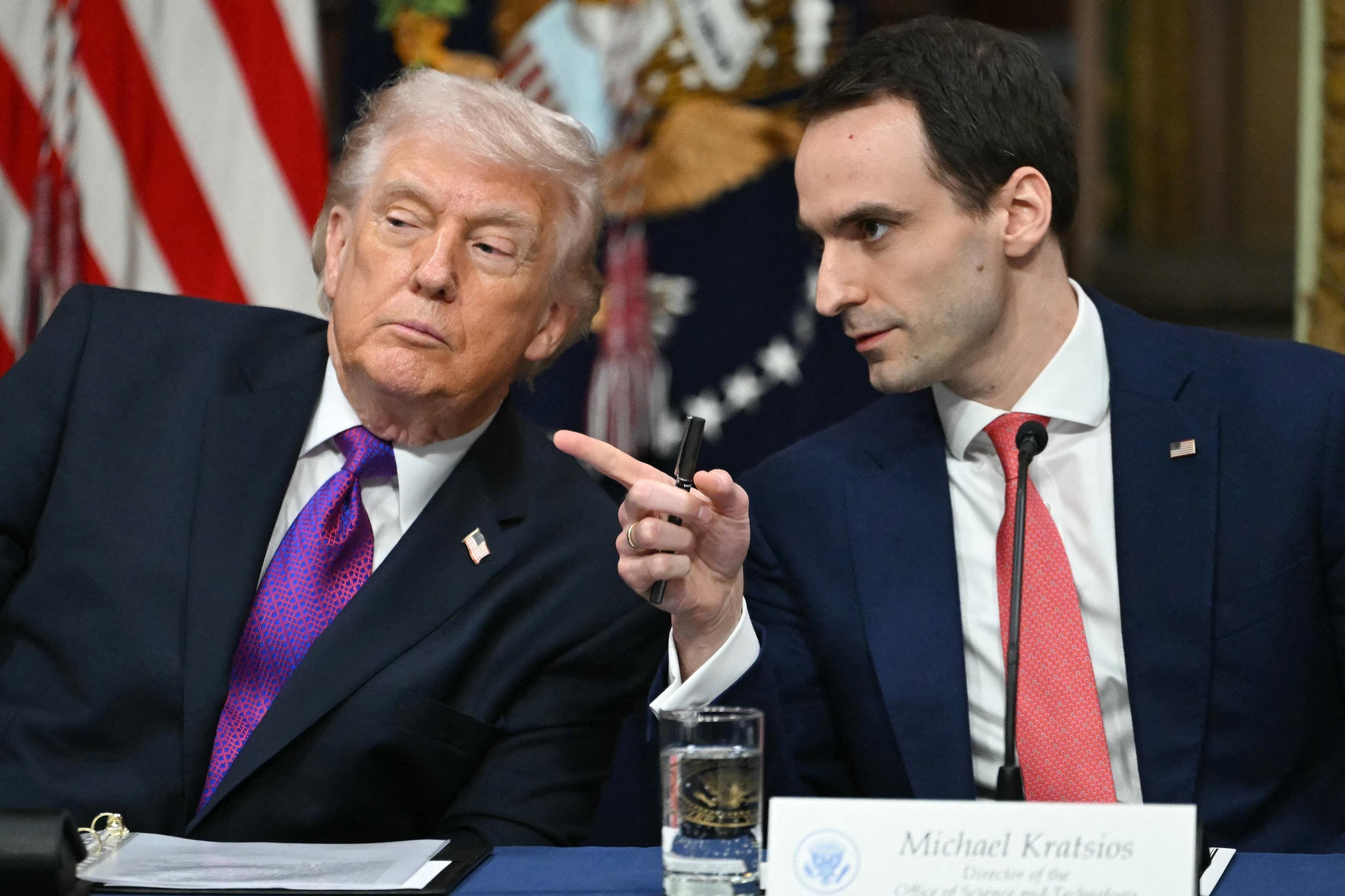
Trump's AI framework focuses on federal preemption, setting the stage for a 2026 showdown over state authority and national AI standards.
The Trump administration is steering U.S. AI policy towards federal preemption, a move that places a sharp focus on the centralization of authority. With an eye on 2026, this pivot may ignite a fierce battle over state power, accountability, and the harmonization of national standards. This isn't just a footnote in regulatory strategy. it’s a foundational shift that could redefine how AI operates across America.
Federal Preemption: A Double-Edged Sword
At the core of this framework is the concept of federal preemption. It sounds simple, centralize regulations to create uniformity. But the reality is more complex. States, each with their unique challenges and innovations, could find their hands tied by overarching federal rules. The AI Act text specifies the necessity for alignment, yet achieving that without stifling state-level innovation is a delicate dance.
Brussels moves slowly. But when it moves, it moves everyone. The same might soon be said of Washington if this framework solidifies. The potential for a singular, cohesive national policy could simplify compliance for companies operating across multiple states. However, what happens to local accountability? Can federal oversight truly address nuanced regional issues effectively?
The 2026 Showdown
Looking ahead to 2026, we can anticipate a contentious debate. It’s a year that might seem distant, but the groundwork laid now will determine whether AI innovation thrives or withers under uniform constraints. The delegated act changes the compliance math, favoring federal interests. This could lead to significant pushback from states that see the imposition of such standards as eroding their autonomy.
One must consider the implications on accountability. With national standards, who ensures compliance at the local level? The enforcement mechanism is where this gets interesting. Will states have any say in how these standards are enforced, or will they be mere spectators in a federally dominated arena?
Why It Matters
For companies and citizens alike, the stakes are high. A shift towards federal preemption in AI policy could simplify operations, reducing regulatory headaches for businesses operating across state lines. But it also raises questions about the loss of local nuance and responsiveness. Harmonization sounds clean. The reality is 27 national interpretations. Will this harmonization stifle or stimulate innovation?
In the end, the real question is: Should the federal government have the final say in AI policy, or do states deserve a voice in a rapidly evolving landscape? It's a debate that will define the future of AI in the U.S., with 2026 as the key year to watch.
Get AI news in your inbox
Daily digest of what matters in AI.