Trump's AI Policy: A Canceled Signing and Its Implications
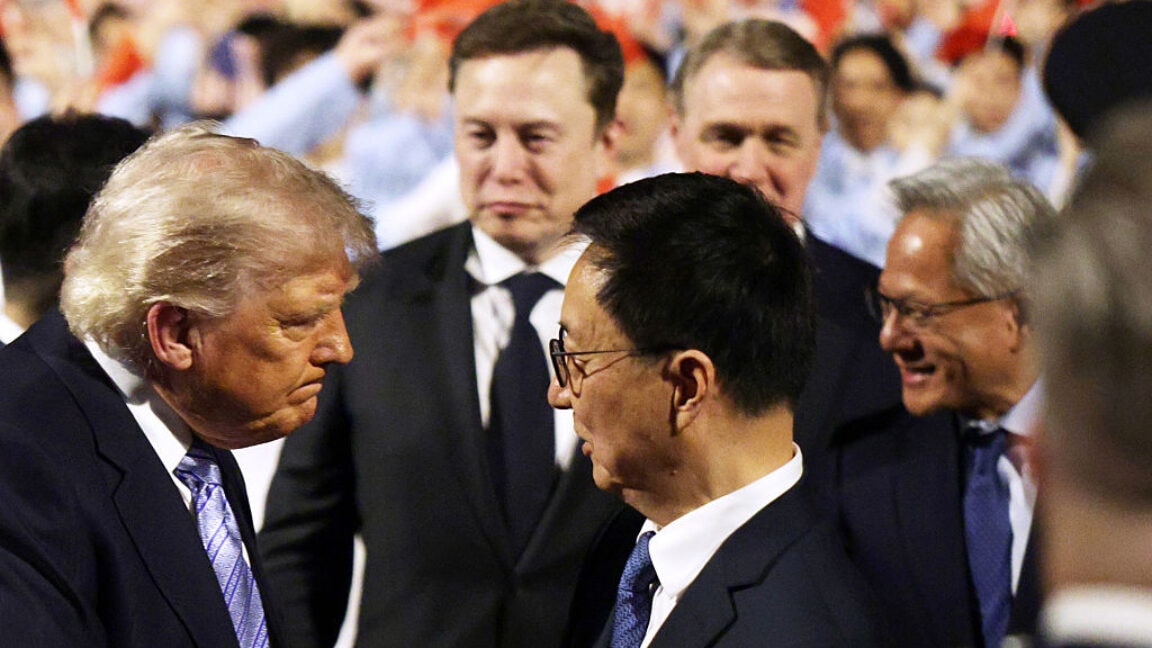
President Trump canceled an executive order signing on AI testing after tech CEOs couldn't attend. This highlights the tension between tech leaders and government oversight.
President Donald Trump, in an unexpected turn of events, canceled a scheduled signing of an executive order that would have empowered the government to test AI models from leading companies before they hit the public domain. The decision came just hours before the event, a move that left tech industry leaders scrambling and some quite literally midair, en route to the White House.
The Scramble for Attendance
Trump's desire to have top executives from the AI sector present at the signing is no secret. However, the issue arose when the president realized that not all CEOs could attend, having been informed of the event with a meager 24-hour notice. It appears the absence of these key figures was enough to put the brakes on the executive order's public unveiling. One can't help but question the foresight in organizing such a significant event on such short notice.
Behind the Scenes: Industry Pushback
The New York Times reports that while OpenAI was in support of the executive order, not everyone in the tech world shared that sentiment. Notably, Elon Musk of xAI and Mark Zuckerberg of Meta were reportedly instrumental in persuading Trump to reconsider. It's fascinating to see such influential figures able to 'derail' a presidential decision. Moreover, Trump's former AI advisor, David Sacks, despite his tenure having ended in March, played a role in advocating for a delay.
What's Really at Stake?
So, why should we care about this canceled order? Let's apply some rigor here. The proposed executive order suggests a government intervention in AI that many in the tech community find uncomfortable. Government testing of AI models before their release could mean increased scrutiny and potential delays in innovation. Yet, it's a double-edged sword. While some argue it's a necessary measure for safety and accountability, others view it as a bureaucratic overreach. The tech giants' pushback hints at a deeper resistance to governmental oversight that could stifle progress.
Color me skeptical, but the abrupt cancellation may signal more than just logistics issues. It illuminates the ongoing tug-of-war between innovation and regulation, a conflict likely to intensify as AI technologies continue to evolve rapidly. One might wonder if the White House will reattempt this initiative under different circumstances or if this marks a retreat in AI governance ambitions.
Get AI news in your inbox
Daily digest of what matters in AI.