Trump's AI Framework: Federal Unity Over Local Autonomy
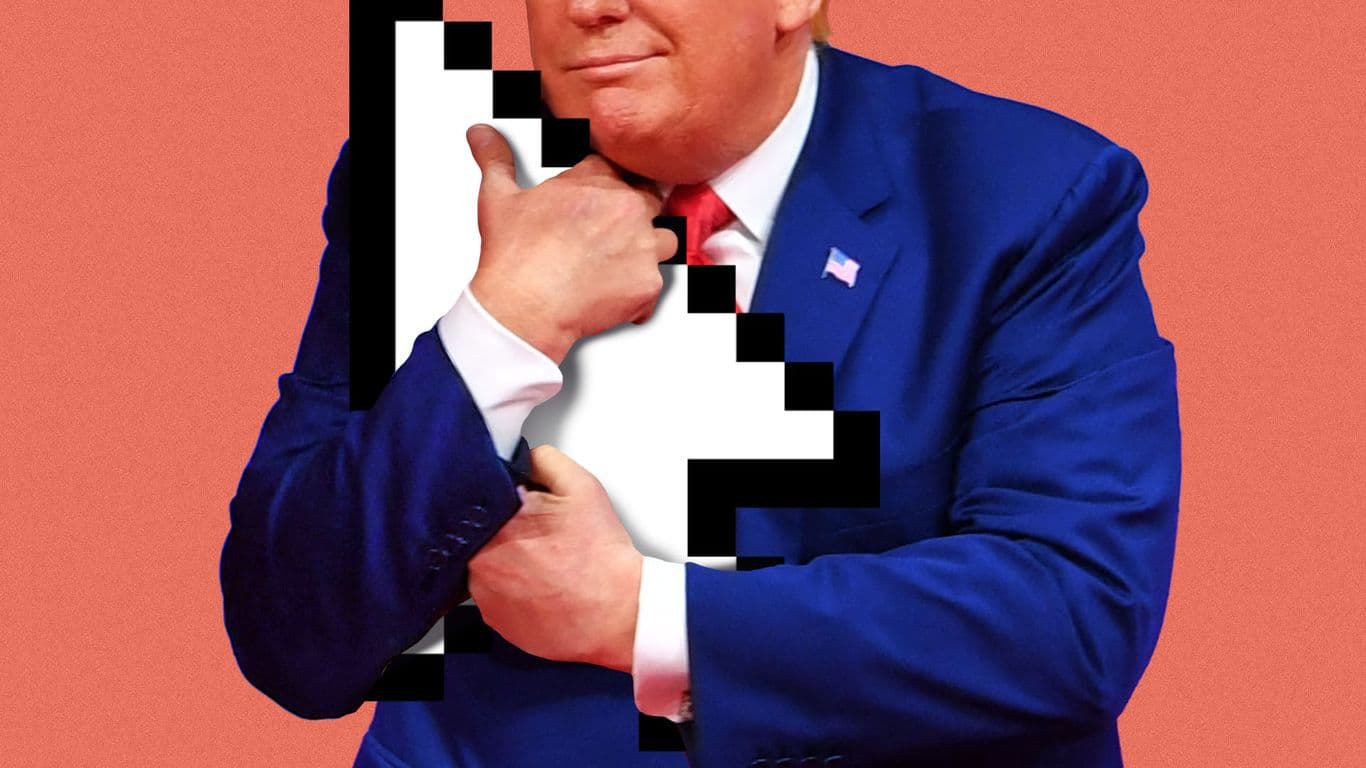
The Trump administration's new AI legislative recommendations push for a unified federal approach, challenging state autonomy and stirring debate over regulation.
In a decisive move on Friday, the Trump administration set forth its legislative vision for artificial intelligence, urging Congress to assert federal authority over state regulations. This new framework is a clarion call for a cohesive national standard in AI regulation, advocating for a light-touch approach that preempts state laws.
Federal Preemption vs. State Innovation
The administration's framework, spanning four pages, argues for Congress to limit state autonomy in AI lawmaking. "Congress should preempt state AI laws that impose undue burdens," the document clearly states. The intent is to simplify AI regulation across the nation, preventing a patchwork of fifty different rules from emerging. Yet, this raises a key question: should innovation be stifled by a one-size-fits-all federal approach, or should states be allowed to tailor their regulations to local needs?
This push for federal preemption is expected to face formidable resistance from state lawmakers who are keen on preserving their legislative powers. It sets the stage for a potential clash between federal ambitions and state rights, a tension that could shape AI's regulatory landscape for years to come.
Key Proposals and Industry Impact
The framework doesn't stop at regulatory preemption. It addresses the burgeoning issue of AI replicas, emphasizing the need for laws governing simulations of individuals' likenesses and voices. Additionally, it calls for tech companies to be held accountable for their rising energy consumption, an initiative that aligns with President Trump's earlier pledges.
Perhaps most intriguing is the proposal for "regulatory sandboxes." These controlled environments would allow developers to experiment with AI technologies under relaxed regulations, fostering innovation while keeping a safety net in place. However, one must ask: can these sandboxes truly balance the need for experimentation with the risk of unchecked developments?
The Children’s Online Safety Clause
In a nod to growing concerns about online safety, the framework places a strong emphasis on protecting children. It insists that AI platforms and services enforce measures to shield minors from potential harms, while also empowering parents to manage their children's digital interactions. This focus on children’s safety is a politically savvy move, albeit one that may complicate bipartisan agreements over comprehensive AI regulation.
As these recommendations make their way to Capitol Hill, underlying disputes over federal preemption, copyright, and child safety remain unresolved. These issues have previously stalled legislative progress, and whether the new framework can overcome them remains to be seen.
The Road Ahead
Ultimately, the Trump administration's AI framework seeks to establish a unified regulatory stance that prioritizes economic efficiency over localized innovation. "The reserve composition matters more than the peg," one might say, hinting at the need for a cohesive foundation in AI policy. However, the push for federal dominance isn't without its critics. Local politicians from both parties are likely to resist, advocating for the unique needs of their constituencies.
As the debate unfolds, stakeholders must consider: will a unified federal approach stifle state-level creativity and innovation? Or is it a necessary step to ensure America's leadership in the AI domain? The answers will likely shape the future of AI regulation in the United States.
Get AI news in your inbox
Daily digest of what matters in AI.