Trump's AI Executive Order: A Pragmatic Approach or Delayed Action?
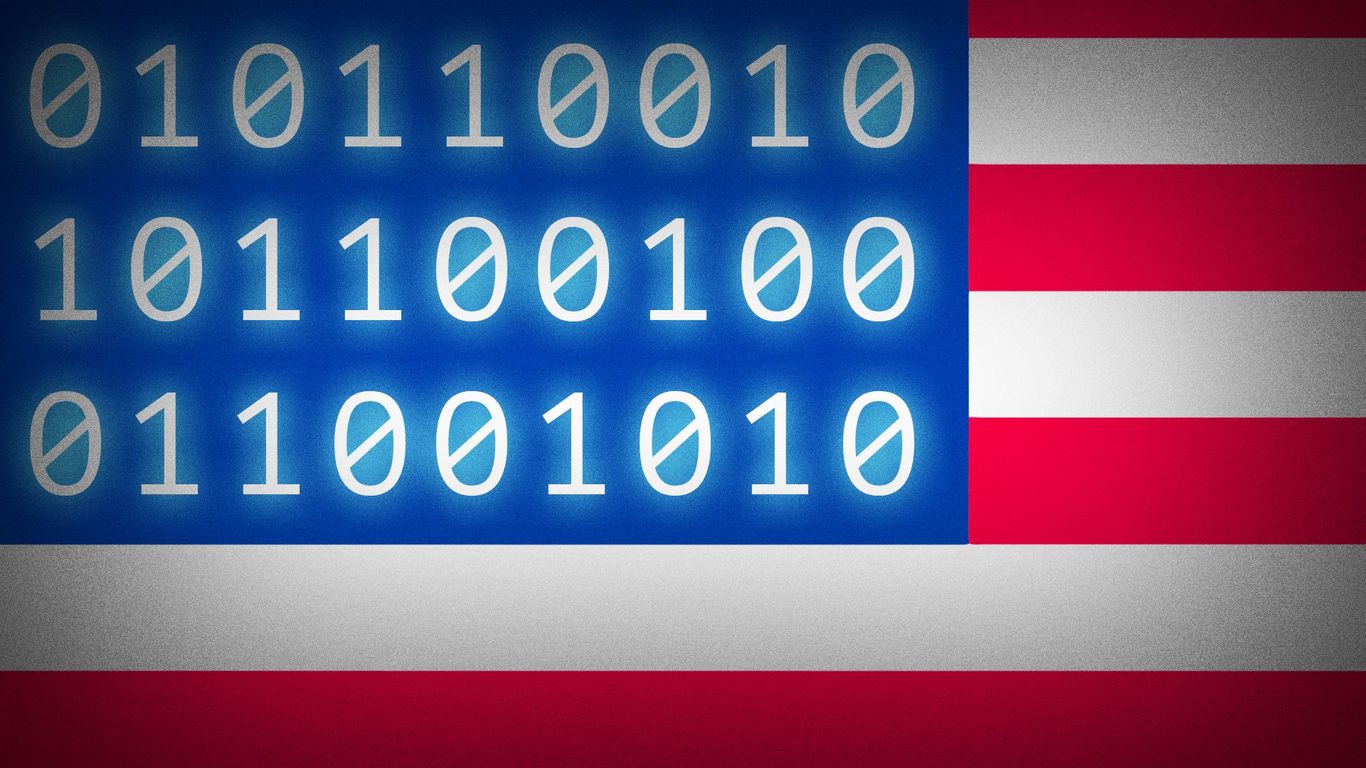
President Trump signs a revised executive order on AI and cybersecurity, focusing on national security without imposing stringent regulations. The move aims to balance innovation with security.
President Trump recently signed a refined executive order targeting artificial intelligence and cybersecurity. While this move seems timely, it leaves the door open for future regulatory frameworks, especially as AI models evolve.
The Significance of the Order
The executive order arrives soon after an earlier, stricter draft was scrapped. It highlights the administration's desire to remain competitive in the AI sector without immediately imposing heavy regulations. But is this a strategic delay or a missed opportunity to set the agenda?
National security is at the forefront of the order, with agencies now mandated to enhance their cybersecurity capabilities. They're tasked to create a 'cybersecurity clearinghouse' to better align with evolving threats. The emphasis on security over innovation suggests a cautious approach, but does it do enough to secure the technological future?
What’s Next for AI Models?
The order requires several departments, including the Treasury and National Security Agency, to devise a classified benchmarking process within 60 days. This process will assess the cyber capabilities of AI models, determining when a model qualifies as a 'covered frontier model.'
This raises questions about the practical implications for AI developers. Will this lead to more red tape, or is it a necessary guardrail against misuse? The distinction between fostering advanced AI and managing its risks is delicate, and the effectiveness of this executive order hinges on striking the right balance.
The Behind-the-Scenes Dynamics
Former White House AI head David Sacks, now an external advisor, has been influential in shaping the language of the order. His involvement seems to have deterred mandatory licensing, which could have stifled innovation. Yet, with ongoing negotiations between tech industry leaders and the administration, the landscape remains uncertain.
One might wonder, is the real bottleneck the model, or the policy environment it's being developed in? The absence of licensing requirements is a relief for many, but the lack of clear guidelines could lead to interpretational challenges down the line.
Conclusion
While this executive order is a step in a direction, albeit not a bold one, it reflects a compromise between advancing national security and fostering innovation. The effectiveness of this balanced act, however, will only become clear as these AI policies are tested in real-world applications.
Get AI news in your inbox
Daily digest of what matters in AI.