Trump Administration Eyes Stake in OpenAI: A Convergence with Implications
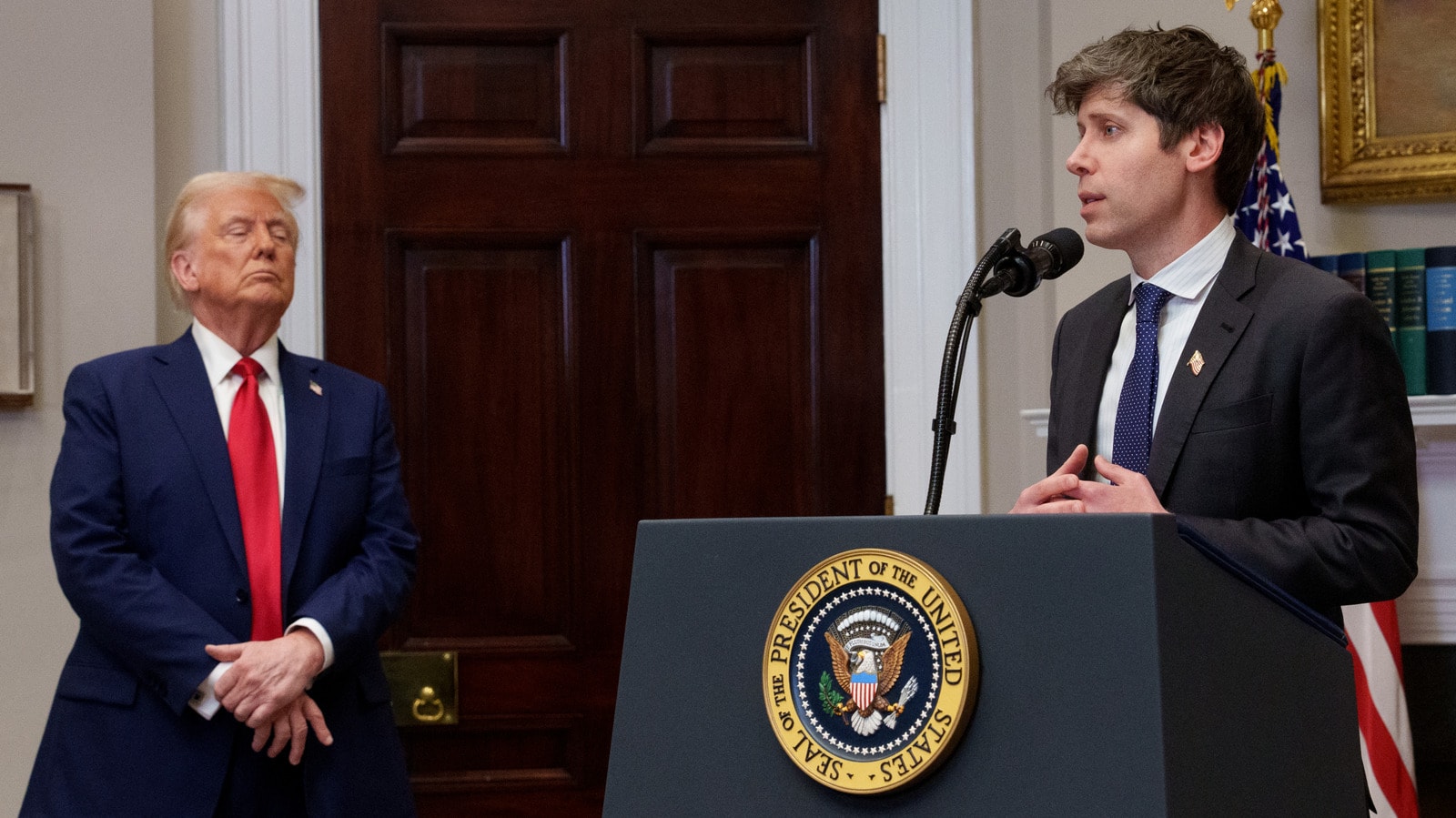
The Trump administration is reportedly considering a stake in OpenAI. If realized, this move could reshape government involvement in AI innovation.
Reports indicate that the Trump administration is contemplating acquiring a stake in OpenAI. While the deal's specifics remain under wraps, this potential investment could signal a new era of government involvement in artificial intelligence.
Unprecedented Government Involvement
OpenAI, a leader in AI research and development, has been pushing the boundaries of what's possible with machine learning. If the administration secures a stake, it would mark a significant shift in the nexus between government and advanced technology.
This isn't a partnership announcement. It's a convergence. The move could allow the government to influence the trajectory of AI innovation directly. But the real question is, should a government have such direct stakes in AI entities? We're building the financial plumbing for machines, but who controls the flow?
Potential Industry Impact
The AI industry, already marked by rapid progress and aggressive competition, could undergo further transformation with governmental involvement. Imagine the influence on regulatory frameworks, research priorities, and even international AI policy. The AI-AI Venn diagram is getting thicker. If agents have wallets, who holds the keys?
While some may argue that this could lead to increased security and ethical oversight, others worry about stifling innovation through bureaucratic oversight. The compute layer needs a payment rail, but at what cost to industry autonomy?
A Bold Move or Risky Business?
Ultimately, the administration's interest in OpenAI could set a precedent for how governments engage with AI enterprises. If the deal materializes, it will undoubtedly stir debates on the ethics and implications of such involvement. Will this move accelerate AI advancements by providing a stable foundation, or will it hinder progress through red tape?
The tech world watches closely. As AI continues to redefine industries, understanding the role of government becomes ever more critical. This decision could shape the future of AI policy and its boundaries within the market.
Get AI news in your inbox
Daily digest of what matters in AI.
Key Terms Explained
The science of creating machines that can perform tasks requiring human-like intelligence — reasoning, learning, perception, language understanding, and decision-making.
The processing power needed to train and run AI models.
A branch of AI where systems learn patterns from data instead of following explicitly programmed rules.
The AI company behind ChatGPT, GPT-4, DALL-E, and Whisper.