Transitive 2.0: Revolutionizing Robotics with Open-Source Framework
Transitive Robotics unveils its 2.0 version, integrating powerful tools like ClickHouse and Grafana, to enhance fleet management for growing robotics companies.
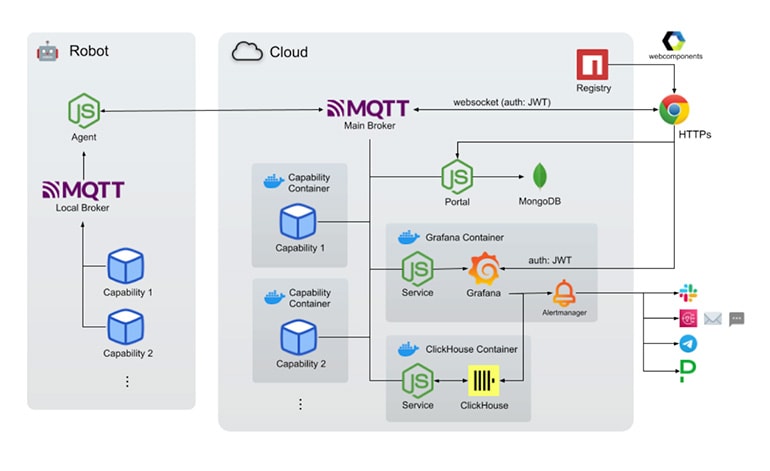
Transitive Robotics has taken a significant leap forward with the release of Transitive 2.0, an open-source framework that's reshaping how robotic fleets are managed. By introducing integrations with ClickHouse for data storage, Grafana for visualization, and Alertmanager for custom alerting, the company isn't just upgrading features but laying new tracks for robotics companies to expand their operations efficiently.
Empowering Fleet Operations
Transitive's original focus was on transactional features essential for robotic fleet management, catering to companies with fewer than 50 robots. However, as businesses scale up, so do their operational complexities. This latest version addresses these challenges by offering tools that provide both real-time and historical insights into fleet performance. The result? Robotics companies can transition from hands-on monitoring to more strategic oversight, thanks to automated systems that allow passive monitoring and alerting.
Tokenization isn't a narrative. It's a rails upgrade. With the integration of platforms like ClickHouse, Transitive 2.0 is paving the way for businesses to manage larger, more complex fleets without getting bogged down in the minutiae.
Harnessing Data with ClickHouse
ClickHouse, known for its efficiency in handling large datasets, plays a important role in Transitive's new capabilities. This columnar data store is favored by industry giants like OpenAI and Tesla, and now, it's empowering robotics firms to analyze and visualize data like never before. The integration allows for effortless data management across both hosted and self-hosted environments, making it versatile for various deployment needs.
Physical meets programmable with this level of data access and control. Robotics developers can now use specific MQTT topics for database storage, enabling them to create visualizations that were once out of reach. Transitive's Health Monitoring capability, for instance, utilizes this data to present comprehensive health sensor histories directly on user dashboards.
Visualizing with Grafana
Grafana's integration into Transitive 2.0 provides a solid platform for visualizing fleet data. By using ClickHouse as a data source, Transitive ensures that users have real-time access to their fleet's operational metrics. This setup is a boon for companies needing detailed insights into their robotics operations, offering the ability to create custom dashboards and alert templates that cater to their specific needs.
But why stop there? The potential for these integrations to transform fleet management is enormous. As robotics companies continue to grow, the need for scalable, programmable solutions becomes more pressing. Transitive's framework, with its focus on embeddability and fine-grained access control, offers a glimpse into the future of robotics management.
Isn't it time we recognized the stablecoin moment for treasuries is mirrored robotics? Transitive 2.0 isn't just an update. it's a revolution.
Get AI news in your inbox
Daily digest of what matters in AI.