Transformers That Think: German Team's Model Outshines Bigger Rivals
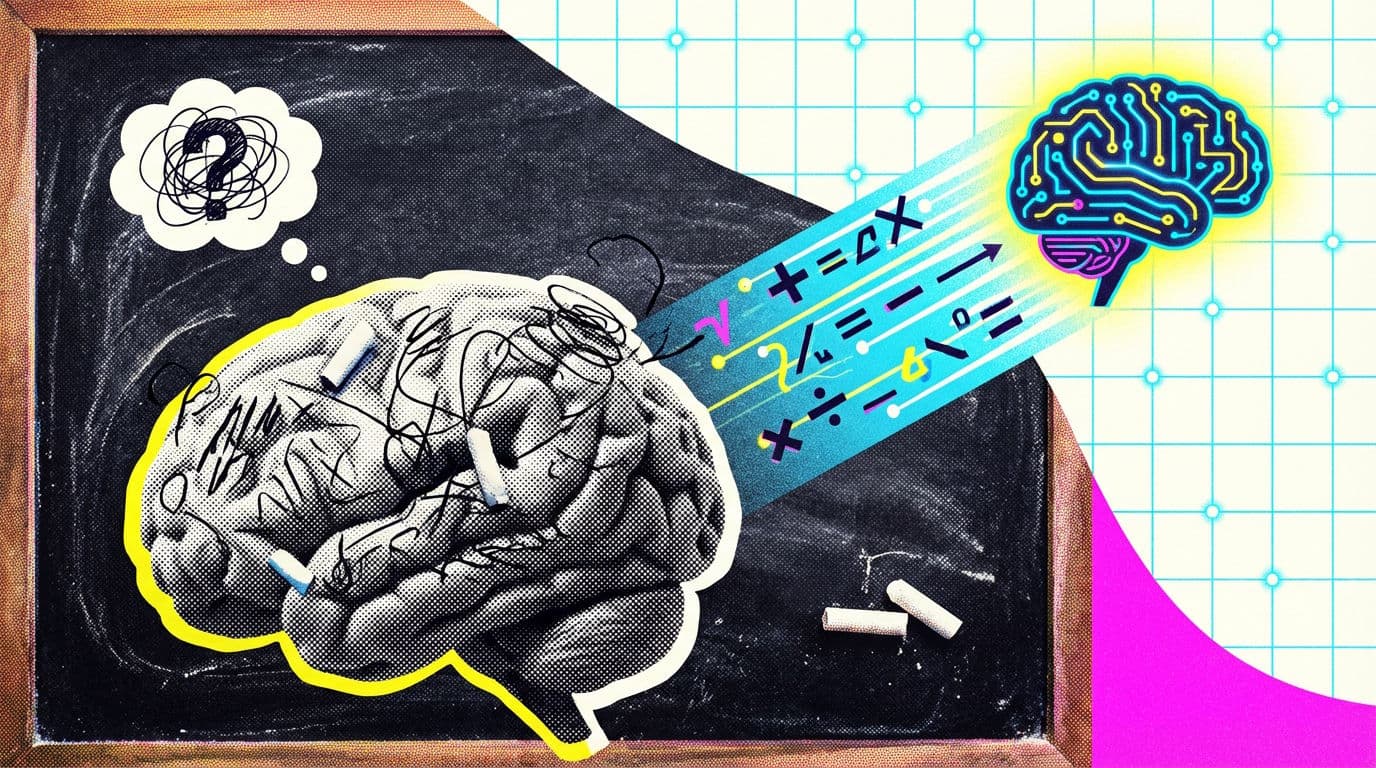
A German research team has developed a Transformer model that autonomously decides its 'thinking time,' surpassing larger models in math tasks.
In an intriguing twist on Transformer models, a German research team has introduced a novel approach that lets these models autonomously determine how many cycles of thought they require to tackle a problem. Combined with expanded memory, this method shows remarkable proficiency, outperforming larger counterpart models in math problems.
Rethinking Transformer Efficiency
Transformer models have been at the forefront of natural language processing. However, their ability to handle complex tasks like math remains limited due to fixed processing cycles. The German team's solution? Allow the model to decide how much 'thinking time' it needs. This adaptability could redefine efficiency in model processing.
The paper's key contribution: a dynamic alteration of processing depth based on problem complexity. While traditional models are rigid, this one adapts, potentially reducing computational waste and improving accuracy. But can this approach extend beyond math to other domains?
Memory: The big deal
Memory is important in problem-solving, and the team has factored this in by bolstering the model's memory capabilities. This enhancement is vital for storing and retrieving information, making the model not just a thinker but a rememberer too. It's a promising development, especially when handling tasks requiring both computation and recall.
Why does this matter? In a world where computational resources are finite, making models that aren't just larger but smarter is essential. Instead of scaling up indiscriminately, making intelligent enhancements could be the future of AI development.
Impact and Implications
This builds on prior work from diverse AI approaches that emphasize efficiency over brute force. By demonstrating that smaller, smarter models can outpace larger ones, the German team challenges the notion that size equates to superiority. It's a lesson in AI humility, can we achieve more with less?
As for real-world applications, this dynamic thought process might lead to more efficient AI assistants capable of understanding and solving problems on their own terms. It's not just about math. It's about creating machines that think differently.
Code and data are available at the team's repository for those interested in exploring this breakthrough further. The ablation study reveals the critical components contributing to the model's success, underscoring the importance of memory and adaptive processing.
Get AI news in your inbox
Daily digest of what matters in AI.