The Viral Warfare: How Videos are Shaping Perceptions of Conflict
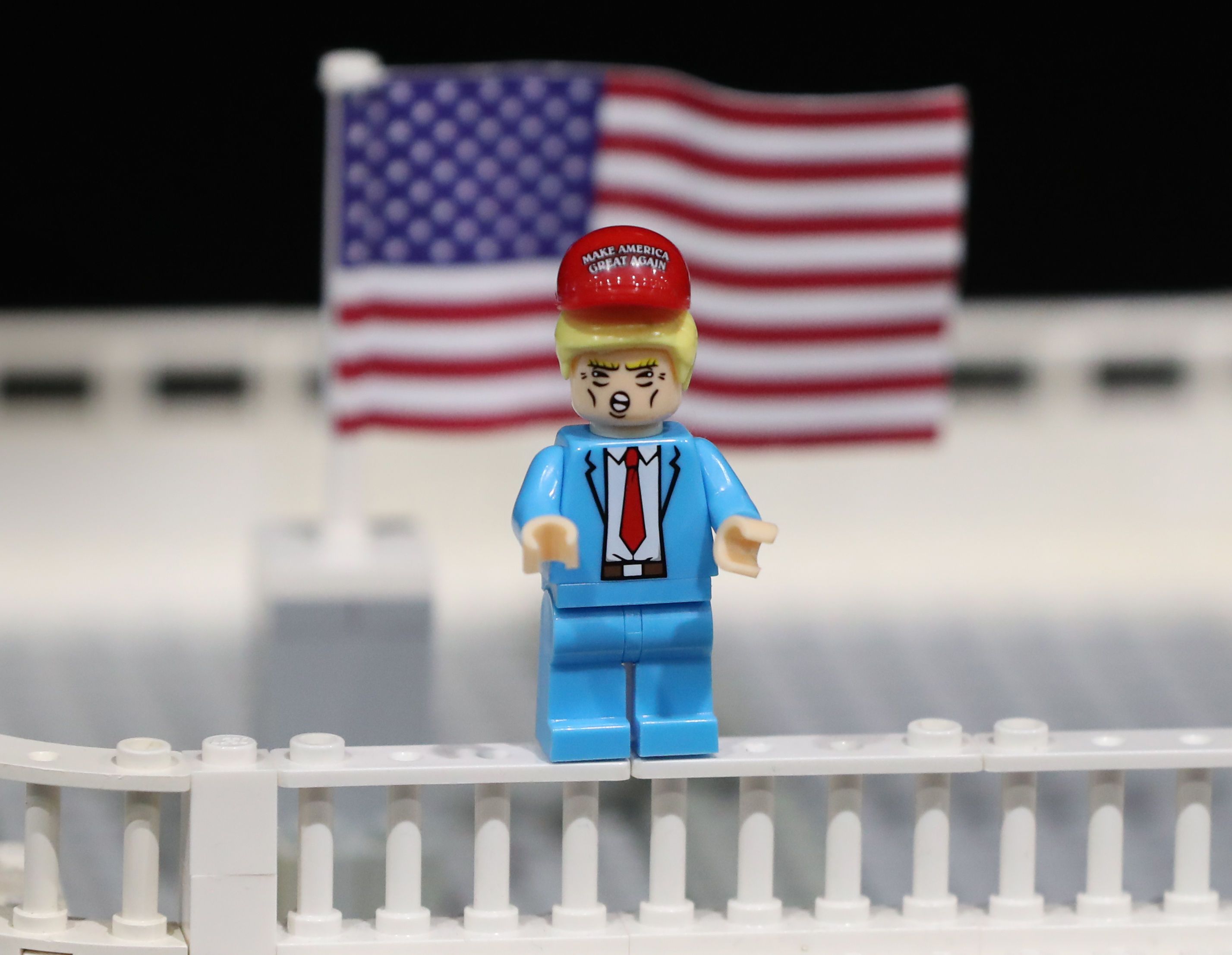
Explosive Media's viral videos are reshaping opinions on the Iran conflict. Their satirical take targets Trump and the US, sparking debate.
The digital age has brought a new kind of battlefield, one where viral videos can sway public opinion as much as traditional media. Since the start of the Iran conflict, a group called Explosive Media has produced over a dozen videos that lampoon former President Trump and the US, capturing global attention.
The Power of Satire
In an era where memes and videos spread like wildfire, Explosive Media has tapped into the zeitgeist with their satirical content. Their videos don't just entertain. they provoke thought and conversation. But what makes their approach effective? It's the blend of humor with sharp political commentary that resonates with viewers tired of conventional news coverage.
These videos haven't only gone viral but have also sparked dialogue about US foreign policy. By highlighting perceived inconsistencies and blunders, they challenge audiences to reconsider preconceived notions about the conflict's dynamics. Is this a sign that satirical media is becoming a legitimate player in shaping international discourse?
Impact Beyond the Screen
The key finding here's how media can influence perceptions on a global scale. The US has long been seen as a dominant force, yet these videos offer a counter-narrative that critiques and questions its actions. While some might dismiss them as mere entertainment, the impact is undeniable. They engage viewers in a conversation about power and its portrayal.
Critically, this is more than just about making fun of political figures. It's about pushing audiences to think deeper about the complexities of international relations. Should US policymakers worry about how they're portrayed? The video's reach suggests they should at least pay attention. Such portrayals can influence both international and domestic perceptions.
The Role of Digital Media
The rise of platforms where these videos thrive underscores the democratization of media. Anyone with an internet connection can become a content creator. But with this freedom comes responsibility. The challenge is ensuring these narratives are balanced and factual, even when wrapped in satire.
As digital media continues to evolve, the lines between entertainment and news blur further. Explosive Media's work is a testament to this shift. The question now isn't just how governments will respond, but how the public discerns truth in a sea of content. This builds on prior work from media theorists who argue that the medium often shapes the message.
At its core, the situation highlights the power of storytelling in modern conflict. As the digital world continues to grow, so too will its influence on geopolitics. The key contribution of this media surge is in its ability to reach and engage, challenging traditional narratives in unexpected ways. The conversation around these videos is just beginning, and their impact is likely to be felt for years to come.
Get AI news in your inbox
Daily digest of what matters in AI.