The Strawberry Robot: A Soft Touch Revolution in Agriculture
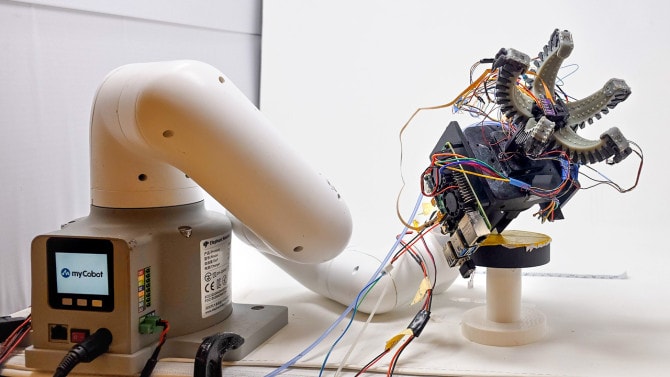
Cornell's latest soft robot gripper uses fiber-optics to gauge strawberry ripeness through touch, promising a sustainable shift in farming.
How do you know when a strawberry is ripe? While color gives you a clue, touch is the real truth-teller. Enter Cornell University's latest brainchild: a soft robot gripper that’s getting hands-on with our berries, thanks to stretchable fiber-optic sensors. This isn't just about strawberries. It’s about reshaping how we think of farming.
The Science of Touch
Developed at Cornell’s Organic Robotics Lab, this robot gripper does more than mimic the gentle touch of human fingers. It uses two different fiber-optic sensors. One measures the curvature of the gripper's 'fingers,' while the other gauges pressure at the fingertips. This allows the robot to determine an object's shape and adjust its grip, plucking ripe fruit without bruising it.
Rob Shepherd, the mastermind behind this innovation, highlights the sensors' unique properties. “It's like the flesh feels the fruit, rather than having separate sensors,” he says. Such tech might sound straightforward, but it’s got the potential to revolutionize how we harvest hard-to-cultivate fruits.
A Broader Agricultural Canvas
But who benefits from this tech? It's not just about strawberries. Think avocados, pineapples, even elusive pawpaws. With a camera in its palm, the gripper finds fruit hidden by leaves. It could change the game for species where visual cues fail us.
And let’s not forget sustainability. With this kind of tech, we could rethink monoculture farming. Imagine interspersed crops that naturally fend off pests and thrive with fewer pesticides. Robots like these could manage diverse farms more effectively, allowing us to move past the row crop model that machines have dictated for decades.
Funding and Future Prospects
This project, supported by the National Science Foundation and Cornell's Institute for Digital Agriculture, isn’t just a tech story. It’s about how innovation can lead to more resilient and ecological food systems. Ask who funded the study and you'll see public interest at heart.
So here’s the real question: Are we ready to let robots redefine what’s possible on our farms? With the potential for less pesticide use and increased crop resilience, the benefits could be tremendous. But we must ensure that these advancements are accessible and equitable.
Get AI news in your inbox
Daily digest of what matters in AI.