The Slow Death of AI Companies: An Inside Look
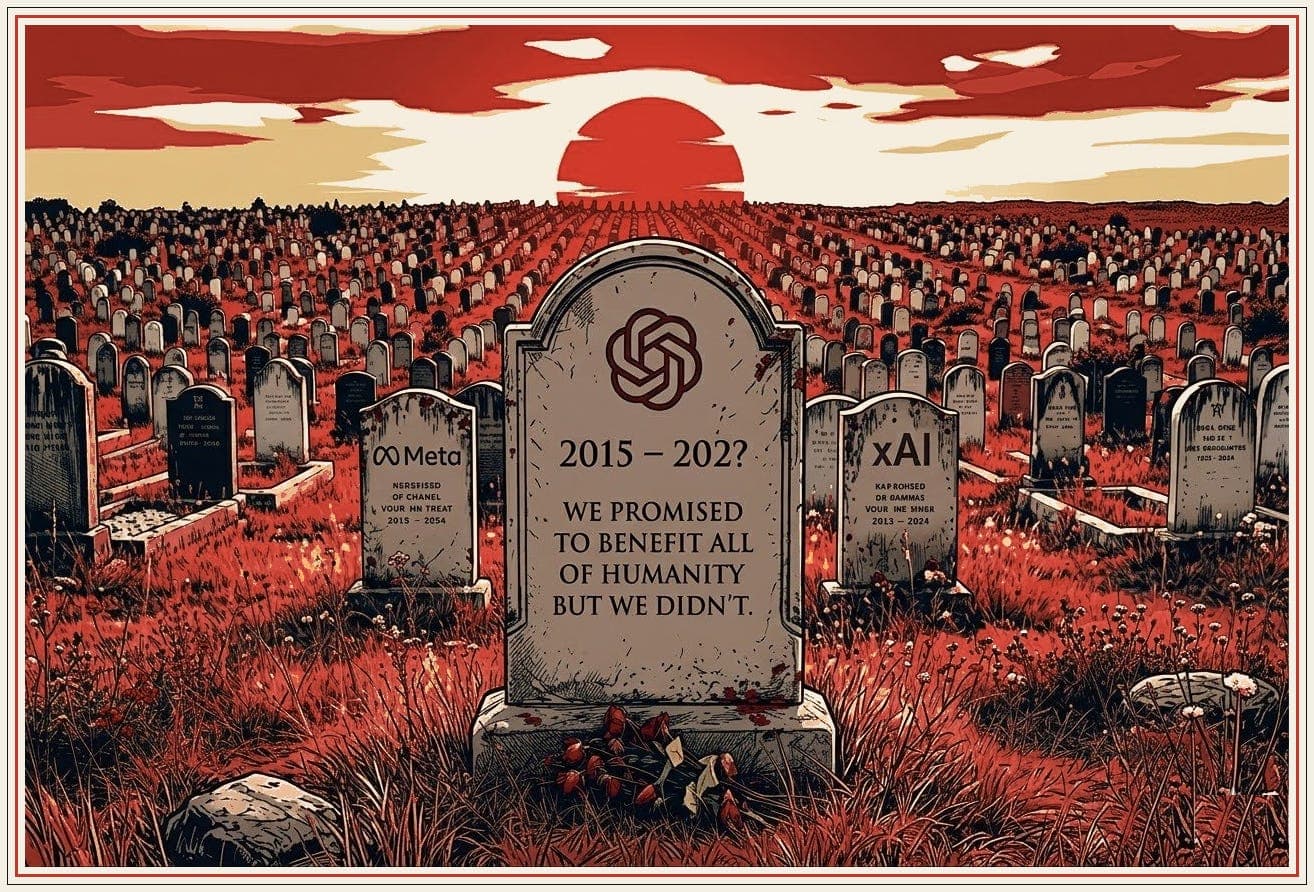
AI companies often face a gradual decline before a sudden crash. In this detailed analysis, we explore the critical moments leading to their downfall and what it means for the industry.
The ending of a company can be as predictable as it's sudden. Hemingway likened bankruptcy to a gradual process followed by an abrupt collapse. AI companies often follow the same pattern. They might thrive on innovation initially, but they eventually stumble upon a series of setbacks that lead to their demise.
The Deal
AI, deals are the lifeline that propels companies forward. Securing funding, partnerships, or critical contracts can make or break a venture. But what happens when these deals dry up or don't deliver as expected?
Many AI startups are lured by the promise of substantial funding rounds, yet they forget that not every deal results in success. Investors demand returns, and without tangible results, pressure mounts. It's not just about securing the deal but sustaining the value it promises.
The Market Trap
The AI market is notoriously volatile. Trends shift rapidly, and what's hot today can be obsolete tomorrow. Companies often expand too quickly, assuming market demand will continue to rise. But when the hype dies down, they're stuck with oversized operations and diminishing returns.
Isn't it ironic that the very technology designed to predict market trends often fails its creators? AI companies frequently misjudge the market's appetite, leading to a slow bleed in resources and morale.
The Unseen Bleed
While external factors play a role, internal dynamics can accelerate a company's downfall. Mismanagement, unclear vision, and lack of adaptability create a toxic environment. Employees become disillusioned, and the talent drain begins.
If the AI can hold a wallet, who writes the risk model? The absence of clear guidelines and foresight in AI development often results in costly missteps. Companies bleed resources trying to steer through these uncharted waters.
The rise and fall of AI companies serve as a cautionary tale. They remind us that innovation alone isn't enough. Sustainable business practices, clear vision, and adaptability are important. The intersection is real. Ninety percent of the projects aren't.
Get AI news in your inbox
Daily digest of what matters in AI.