The Road to Truly Autonomous Humanoid Robots
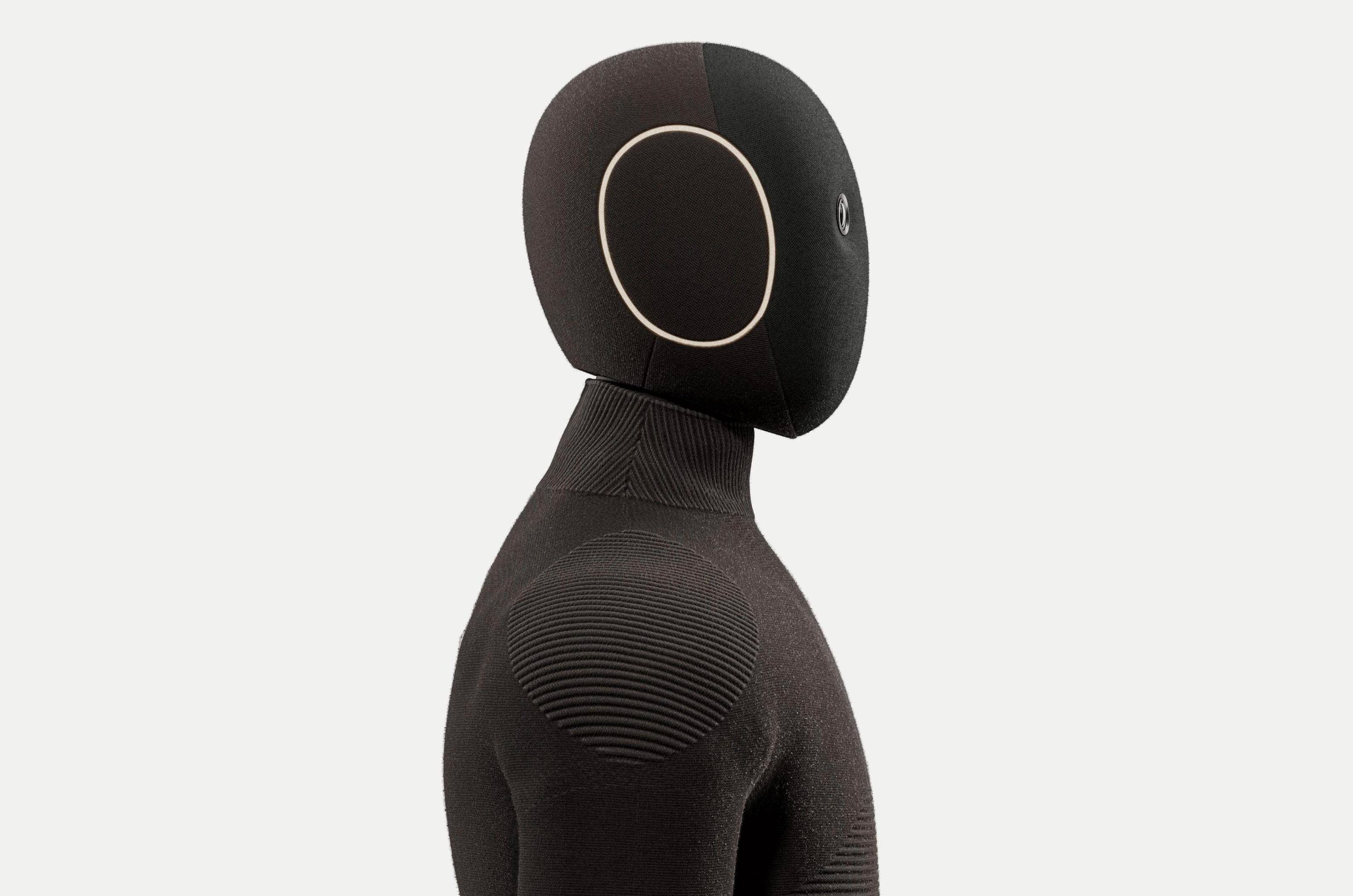
The journey to creating fully autonomous humanoid robots is accelerating, bringing us closer to machines as intelligent as humans. But the timeline is complex.
The ambition to create fully autonomous humanoid robots is driving innovation and investment across the globe. With advances in artificial intelligence and robotics, the prospect of machines that can think and act as intelligently as humans is inching closer. Yet, this path is fraught with challenges and complexities that extend beyond mere technological prowess.
The Technology Behind the Dream
At the heart of this quest lies the integration of new AI with robotics, aiming to create machines that can navigate and interact with the world as we do. But on the factory floor, the reality looks different. Current robots, while impressive, are often limited by their programming, constrained by the specific tasks they can perform. Their degrees of freedom, cycle time, and repeatability are meticulously optimized for predictable environments, not the chaos of the real world.
Precision matters more than spectacle in this industry. The challenges of developing a humanoid robot that can adapt, learn, and make independent decisions can't be overstated. It's not just about creating a robot that can walk or mimic human gestures. it's about building one that understands context, reacts appropriately, and functions safely alongside humans.
Why This Matters
So, why should we care? The implications of achieving such a level of autonomy are vast. For industries ranging from manufacturing to healthcare, the deployment of intelligent humanoid robots could revolutionize labor dynamics, efficiency, and productivity. Japanese manufacturers are watching closely, understanding that a breakthrough in this area could redefine competitive advantage in the global market.
However, the gap between lab and production line is measured in years. While demos at tech conferences may impress, the deployment timeline is another story. Current projections suggest that it could take another decade of research and development before we see truly autonomous humanoid robots in widespread use. The technological, ethical, and regulatory hurdles remain significant.
The Human-Robot Future
As we look to the future, one must ask: what role will humans play in a world populated by intelligent machines? The potential for collaboration between humans and robots points to a future where the strengths of both are enhanced. Yet, this vision requires careful consideration of the societal impact, ensuring that technology serves to enhance human potential rather than replace it.
In the end, the pursuit of autonomous humanoid robots is as much about understanding our own intelligence as it's about replicating it. It's a journey of discovery that challenges our perceptions of capability and creativity. And as we continue down this path, the question remains: how far are we willing to go?
Get AI news in your inbox
Daily digest of what matters in AI.