The Future of Medical Decisions: From Solo Doctors to AI and Collaborative Networks
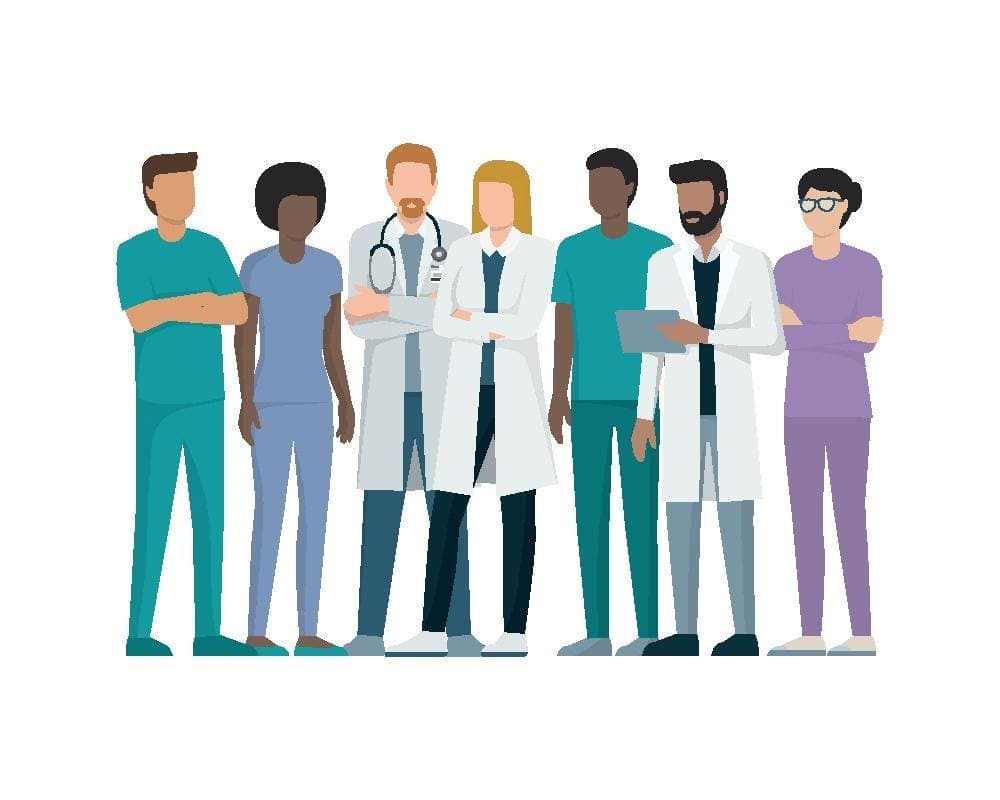
The shift from individual to group decisions in medicine is underway, driven by AI and network science. This evolution could redefine patient care.
Imagine your next doctor's visit being influenced not just by the person in the white coat, but by a vast network of clinicians and algorithms. That's the future we might be headed for as network science and artificial intelligence continue to evolve at lightning speed. It's not so far off to think that the way medical decisions are made could transform dramatically.
From One to Many: The Shift in Decision-Making
Traditionally, medical decisions have been made by individual doctors, relying on their expertise and judgment. But with the advances in network science, this is changing. We're seeing a shift toward group decision-making, where clusters of clinicians collaborate, bringing a more rounded perspective to patient care.
Think of it this way: Instead of one doctor deciding your treatment, what if a team, informed by a wealth of data and diverse experiences, weighed in? This isn't just a theoretical concept. It's happening now, and AI is at the heart of this shift.
The Role of AI in Medicine
Artificial intelligence isn't just a buzzword here. It's being integrated into healthcare systems to support doctors, providing them with data-driven insights that can enhance decision-making processes. Whether it's using AI models to analyze patient data or to predict outcomes, the goal is the same, better and more efficient patient care.
But here's the thing: AI isn't about replacing doctors. It's about augmenting their capabilities. It's about providing them with tools to make more informed decisions. If you've ever trained a model, you know AI is only as good as the data it's fed and the humans who interpret its outputs.
Why This Matters to You
Now, you might be wondering, why does this matter to anyone outside of healthcare professionals? Here's why this matters for everyone, not just researchers. As medical decisions become more collaborative and data-driven, patient outcomes could improve, leading to potentially quicker diagnoses and more personalized treatment plans.
That means fewer misdiagnoses and more tailored healthcare. The analogy I keep coming back to is GPS navigation. Remember how we used to rely on paper maps? Now, we've real-time traffic updates and alternative routes at our fingertips. In medicine, AI could provide that same level of insight and adaptability.
However, there's a important debate here. Should we let AI have a significant say in medical decisions? Are we ready to trust machines with our health? It's a balancing act that needs careful consideration.
, the convergence of network science, AI, and collaboration among clinicians marks an exciting era for healthcare. As these technologies mature, they promise to reshape medical decision-making. But as with all great advancements, it's essential to tread carefully, ensuring these tools serve humanity's best interests. The future of medicine isn't just about technology but integrating it wisely into the art of healing.
Get AI news in your inbox
Daily digest of what matters in AI.