The Future of AI: A Symphony of Models in the Making
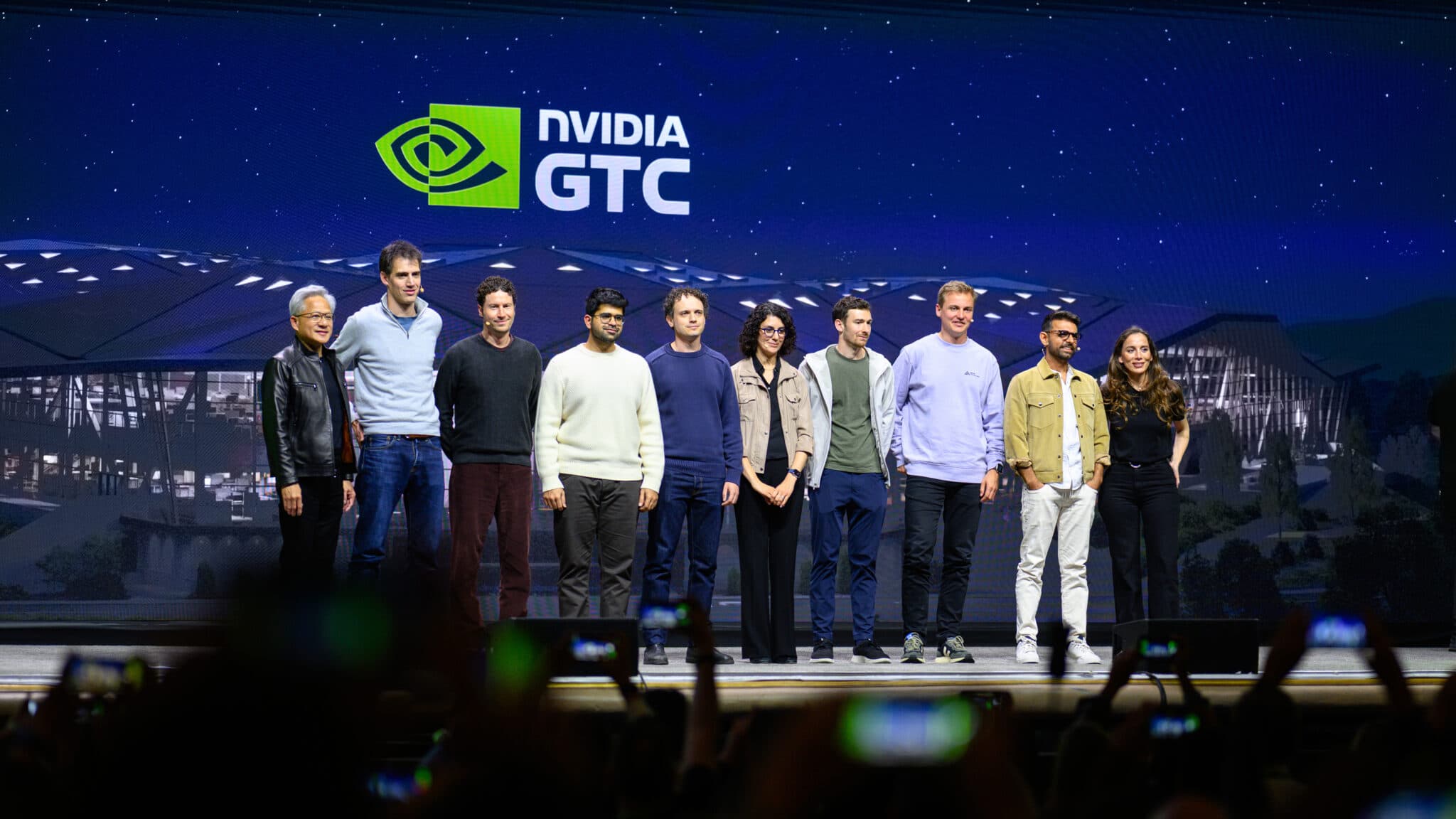
AI is evolving beyond single models into a coordinated system of open and proprietary technologies. NVIDIA's recent initiatives highlight the importance of collaboration and openness in driving AI innovation.
Artificial intelligence is no longer a futuristic concept. it's the present and future of business infrastructure globally. While the technology itself isn't new, the drive towards a more diverse ecosystem of AI models is something to watch closely. NVIDIA's recent announcements at their GTC event underscore the critical role that both open and proprietary models play in this advancing landscape.
The Blend of Open and Proprietary
NVIDIA's CEO, Jensen Huang, put it succinctly: it's not a matter of choosing between open and closed models. It's about harnessing the strengths of both. This dual approach is key as countries and companies aim to integrate AI into every facet of operations. Why restrict the innovation of AI to a single massive model when industries like healthcare, finance, and manufacturing face unique challenges that require tailored solutions?
The importance of open-source contributions can't be overstated. NVIDIA has now become the largest organization on Hugging Face with close to 4,000 team members, illustrating a commitment to shared development. Their new venture, the NVIDIA Nemotron Coalition, is another strategic move. Through collaboration with Mistral AI, they aim to develop foundational models that will be accessible to a broader audience, laying the groundwork for future AI developments.
Openness as a Catalyst for Innovation
Openness in AI isn't just a theoretical ideal. it's a practical necessity. As stated by Reflection AI's Misha Laskin, openness in foundational knowledge infrastructure is essential. It allows organizations not only to build but to innovate upon existing models, driving advancements in both academia and industry. This is especially vital in the Middle East, where the race for digital supremacy between Dubai and Abu Dhabi is as fierce as ever.
But why should this matter? Because the Gulf is writing checks that Silicon Valley can't match. With sovereign wealth funds pouring into AI, the region isn't just participating in the AI revolution. it's aiming to lead it.
Trust and Accessibility: The Open Edge
As the world grows increasingly dependent on AI, trust becomes key. Open systems are inherently more transparent, making them easier to trust. As AMP PBC's Anjney Midha pointed out, trust in AI systems allows for the deployment of AI agents capable of handling complex tasks efficiently. This isn't just about developing technology but about democratizing access to it, ensuring that AI benefits are globally distributed.
Open ecosystems make possible collaboration and innovation, enabling organizations to combine open models with proprietary data. This blend is where real value lies, offering specialized solutions tailored to specific needs. It's a balance that reflects the societal structure of generalists working alongside specialists, as noted by OpenEvidence's Daniel Nadler. The AI landscape is set to mirror this societal structure, combining the best of both worlds.
In an ever-competitive global market, how long can we afford to ignore the power of collaboration? Free zone, free rules. That's the pitch that's catching on worldwide.
Get AI news in your inbox
Daily digest of what matters in AI.
Key Terms Explained
The science of creating machines that can perform tasks requiring human-like intelligence — reasoning, learning, perception, language understanding, and decision-making.
The leading platform for sharing and collaborating on AI models, datasets, and applications.
A French AI company that builds efficient, high-performance language models.
The dominant provider of AI hardware.