The Future is Cyber-Physical: Own the Stack or Get Left Behind
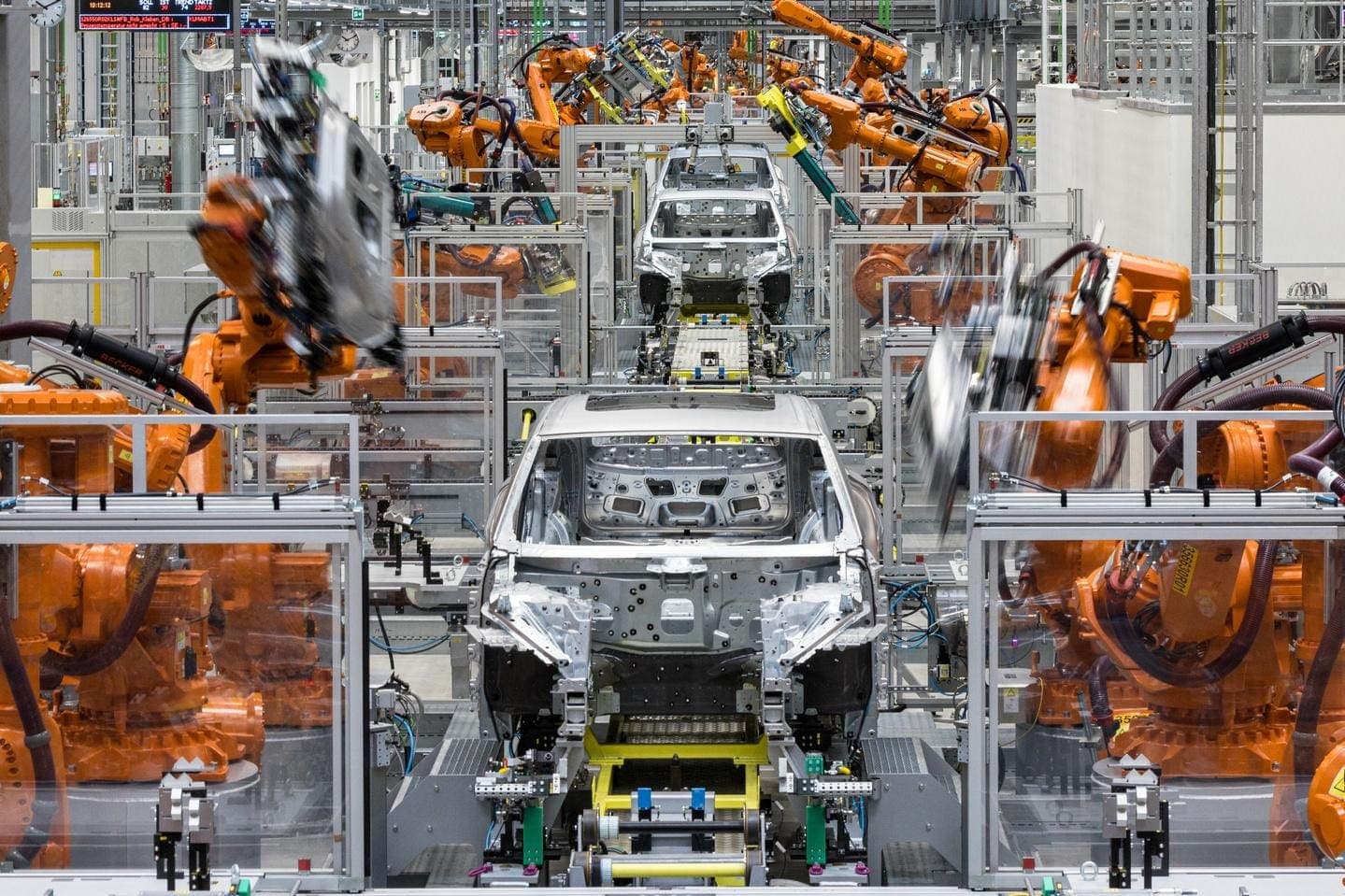
As AI becomes foundational, the next frontier is mastering the entire stack from algorithms to physical sensors. Control it, or fall behind.
The AI wave has crested. Now it's all about cyber-physical systems, distributed compute, and controlling the stack from algorithm to actuator. This isn't just tech jargon. It's a call to action for developers and engineers.
Cyber-Physical Systems: The New Frontier
Cyber-physical systems are where software meets the real world. Think autonomous vehicles, smart grids, or even drones. These systems blend the digital with the physical, responding to real-time inputs from the environment. they're the future. But only if you can control the stack.
Owning the stack means having end-to-end understanding and control, from high-level algorithms down to the physical sensors and actuators. It's not just about writing code. It's about integrating that code into hardware effectively and efficiently.
Distributed Compute: Power in Numbers
Distributed compute is another piece of the puzzle. Instead of relying on a single, centralized supercomputer, systems now depend on a network of computers working together. This approach offers resilience and scalability. But it also demands a new way of thinking about design and deployment. The SDK handles this in three lines now, but understanding the underlying architecture is important.
Distributed systems excel at processing large data sets and performing complex calculations. They're the backbone of today's most advanced AI applications. But their success depends on the right implementation. Ship it to testnet first. Always.
Controlling the Stack: The Key to the Kingdom
Why should you care? Simple. If you don't control the stack, you're at the mercy of those who do. Your brilliant software is useless if it's bottlenecked by poor hardware integration or inefficient data processing. It's like having a sports car engine in a go-kart. All that potential, wasted.
The companies and developers who can master this integration will define the next decade of technology. They'll set the standards and reap the rewards. Meanwhile, others will be left struggling with compatibility issues and sub-par performance.
So, which side do you want to be on? The one leading the charge into this new era, or the one left trying to catch up?
The time to act is now. Read the source. The docs are lying.
Get AI news in your inbox
Daily digest of what matters in AI.