The Complex Politics Behind America's Anti-Data Center Sentiment
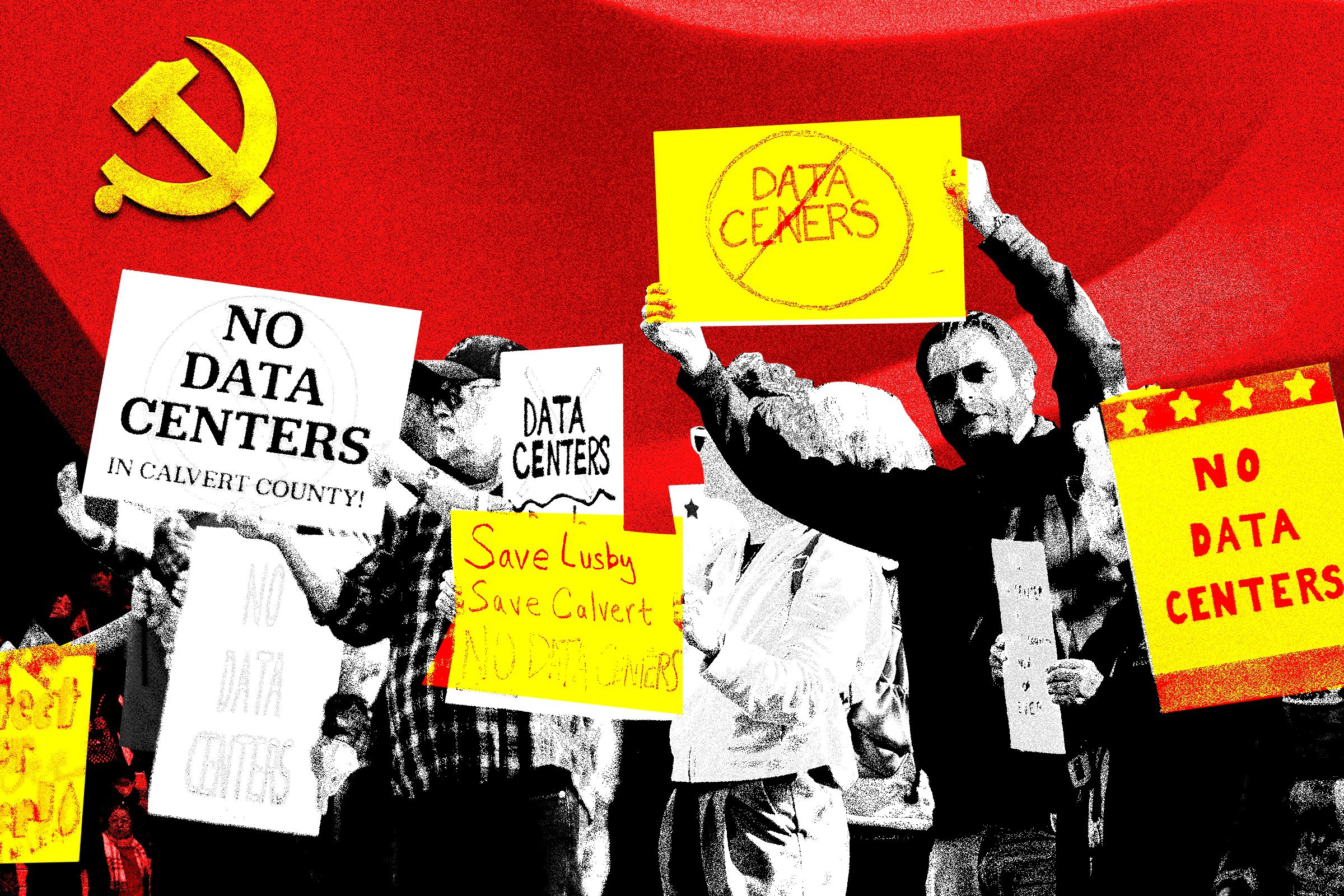
The anti-data center movement in the US is being linked to Chinese involvement by politicians and tech investors. But the truth is more nuanced.
The movement against data centers in the United States is growing, with GOP lawmakers, tech investors, and even OpenAI pointing fingers at Chinese interference. Yet, the narrative isn't as straightforward as some would have us believe. Experts argue that the situation is more complex, involving not just foreign influence but also local concerns like energy consumption and land use.
The Politicization of Data Centers
The political landscape around data centers has shifted significantly. GOP lawmakers claim that these facilities could be a gateway for Chinese espionage. Meanwhile, tech investors are wary of potential ramifications on their portfolios. This intense scrutiny, some say, is fueled by geopolitical tensions rather than grounded in factual security threats. Is the fear justified, or is it simply a convenient scapegoat?
OpenAI has also chimed in, adding another layer to this multifaceted issue. The company suggests that foreign actors could exploit data centers to gather sensitive information. However, it's important to question whether the threat is as imminent as portrayed. The real debate should focus on balancing security concerns with the undeniable benefits these centers bring to technological progress.
Local Concerns Add Complexity
Beyond international politics, local communities have raised their own set of issues. Data centers, notorious for their high energy demands, pose significant challenges for regions trying to meet sustainability goals. Moreover, the large tracts of land they occupy can disrupt local development plans.
For instance, in states like Virginia, which hosts several data hubs, residents worry about the environmental impact and potential increases in energy costs. These domestic concerns often get overshadowed by the louder geopolitical narrative. But ignoring them won't make them disappear. It's a classic case of the local versus the global, raising the question: whose interests should take precedence?
The Path Forward
So, where does this leave us? It's clear that any policy aimed at regulating data centers must account for both international and local factors. Simply blaming Chinese interference may rally political support, but it doesn't address the core issues. Instead, a nuanced approach that considers security, environmental impact, and community needs is essential.
Ultimately, the data shows that the concerns surrounding data centers are multifaceted. It's not just about national security, nor is it solely a local issue. For policymakers and industry players alike, the challenge lies in crafting solutions that acknowledge this complexity. In doing so, they can foster an environment where technological advancement and community welfare go hand in hand.
Get AI news in your inbox
Daily digest of what matters in AI.