The Art of Choosing the Right Servo Gearbox
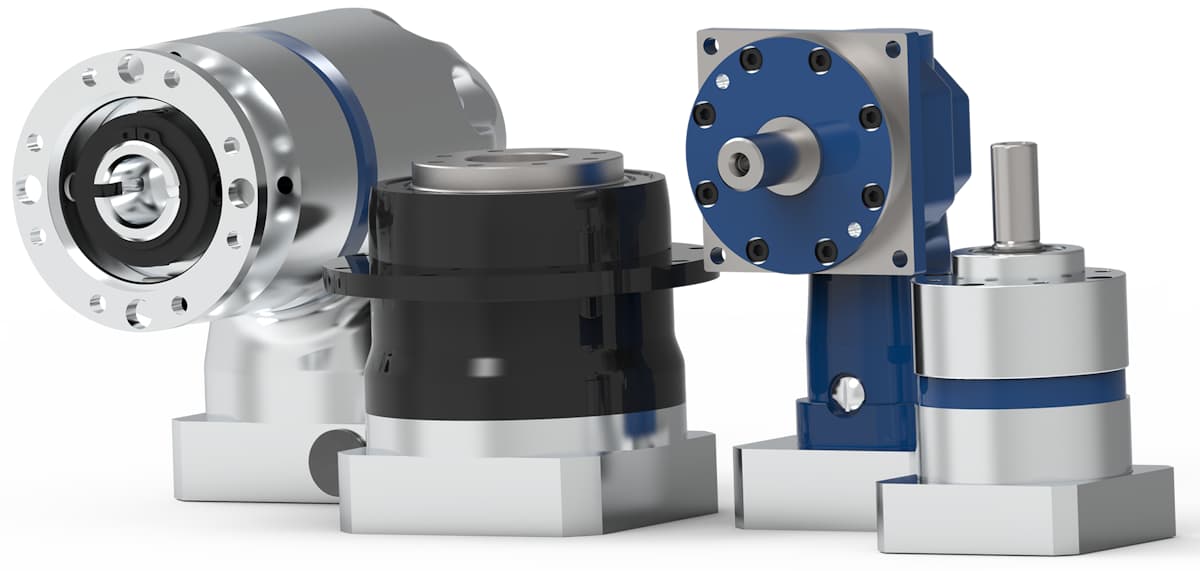
Choosing a servo gearbox is about more than just one spec. Oversizing or undersizing can lead to costly errors. Here's why considering the full picture matters.
Picture this: You're about to pick a servo gearbox for your setup. Do you go with the first option that matches your torque needs? Not so fast. While it might seem tempting to zero in on a single number, there's more to it than meets the eye.
Understanding the Full Picture
When engineers select gearboxes, they often focus on one spec like torque or speed, but this could lead to oversizing or undersizing. And trust me, neither is good. Oversizing means throwing money down the drain on something you don't need. Meanwhile, undersizing can result in costly downtimes and overheating issues.
Here's the gist: Imagine the gearbox as the fuse of the system. If something's off, the gearbox will break first. That's not a joke, but a reality many engineers face. So, what's the solution? Consider multiple specifications including nominal torque, radial load capacity, and even the operating environment.
Precision Matters
Torque, for instance, isn't just one flat number. There are different kinds: nominal, acceleration, and emergency torque. Each plays a role in how your system performs. And let's not forget radial and axial load capacity, which tell you how much weight the gearbox can handle.
If you're just tuning in, also think about inertia. It's how resistant a load is to changes in motion. Gearboxes are your best friend here, helping match the motor's inertia to the load.
Real-World Implications
Why should you care? Because how you choose your gearbox can determine the efficiency and lifespan of your entire setup. If you're not careful, you might find your 'perfect' gearbox causing more issues than it solves.
Take Matt Ruggles from GAM, for example. He's seen it all, motors stalling because the gearbox was too large or systems struggling because the high gearbox ratios weren't managed well. 'It's the little engine that couldn't,' he quips about systems that end up with a misfit gearbox.
So, how do you avoid these pitfalls? Know your system's demands first. Whether it's radial load or torque transmission, start there. Then, consider the other factors lining up with your needs. Remember, no gearbox can do it all, but you can find one that's close to perfect.
Bottom line: Don’t just go for the biggest or smallest. Aim for balance. Your system, and your wallet, will thank you.
Get AI news in your inbox
Daily digest of what matters in AI.