The AI Power Struggle: Grid or Island?
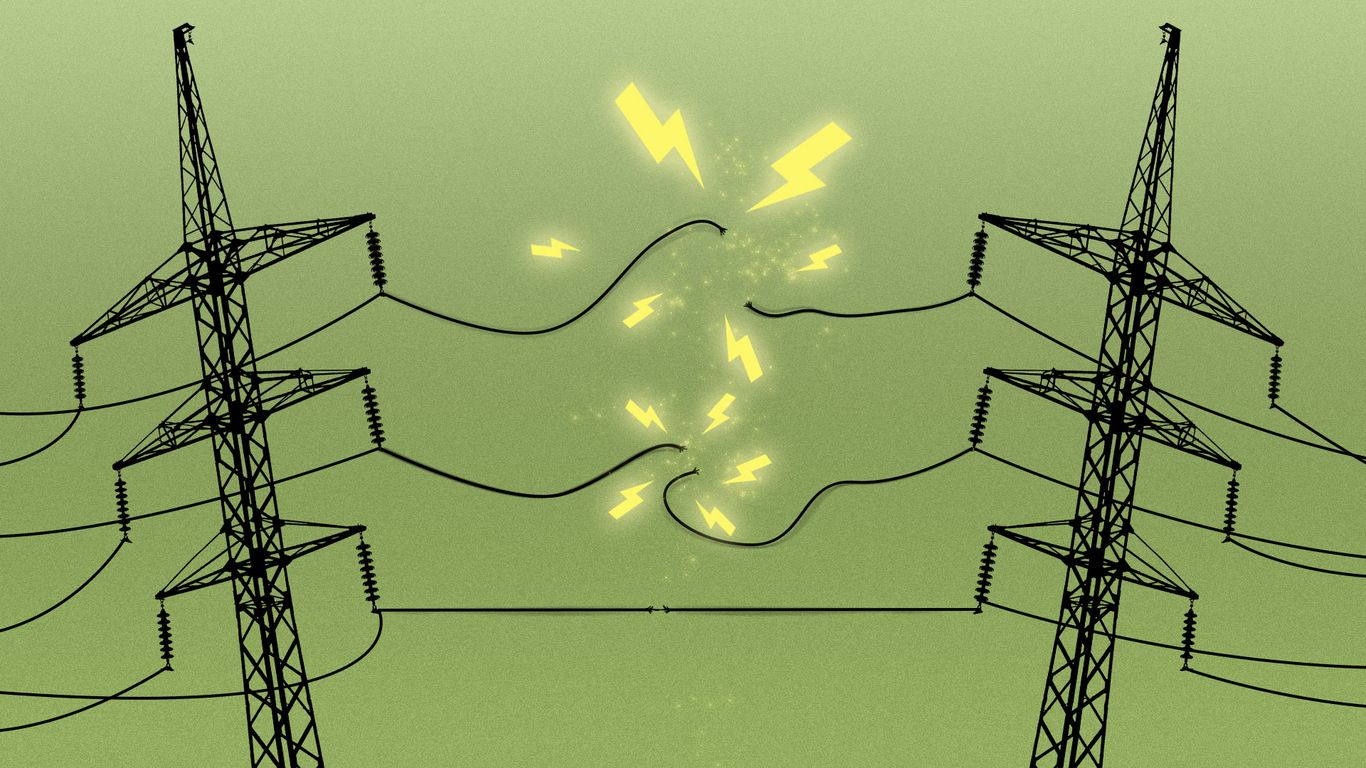
AI's energy demand is skyrocketing, prompting a fierce debate: Should data centers link to the grid or operate independently? The decision could reshape energy infrastructure and costs.
The rapid expansion of artificial intelligence is sparking a fierce debate: should data centers rely on the traditional power grid or operate as independent energy 'islands'? With AI's insatiable hunger for electricity, this decision holds significant implications for energy infrastructure investments and overall costs.
The Grid vs. Island Debate
Chevron's recent announcement of a deal to construct a natural gas plant specifically for a Microsoft data center in Texas highlights a growing trend towards on-site power. According to Cleanview, a market intelligence firm, approximately 30% of new data center power capacity is projected to be on-site, a remarkable increase from previous years. Michael Thomas, Cleanview's founder, even speculates this figure might climb to 50%.
Why does this matter? AI, speed is critical. Companies argue that bypassing the grid can accelerate deployment, providing more control and avoiding the strain on existing electricity systems. But, is this the best long-term strategy?
Grid Advocates vs. Island Enthusiasts
On the flip side, proponents of grid integration argue that connecting to the grid spreads system costs, enhances reliability, and offers backup power options. Varun Sivaram, founder of EmeraldAI, asserts that disconnecting AI infrastructure from the electric grid could make AI operations more expensive. Plus, the power sector stands to lose a major client in data centers, which could hurt economic viability.
Yet, companies like Crusoe highlight the benefits of islanding, with President Cully Cavness stating that such setups can operate off-grid for years until the infrastructure is ready. Do we risk energy isolationism for the sake of speed?
Who Stands to Gain?
Interestingly, companies in the natural gas sector view the shift towards islanding as beneficial. Rob Wingo from Williams, a natural gas pipeline giant, believes it shields retail electricity consumers while providing faster solutions. But not everyone in tech agrees. Amanda Peterson Corio from Google points out that islanding requires overbuilding, potentially leading to inefficiencies.
The debate is far from binary. Many suggest a hybrid model where data centers start as islands but eventually connect to the grid. John Ketchum, CEO of NextEra Energy, echoes this sentiment, envisioning an 'extension cord' between data centers and the grid as the optimal solution.
Regulatory and Market Implications
In a significant move, federal regulators have ordered revisions to rules governing data centers pairing with power plants, which may influence policy across the country. Laura Swett, chairman of the Federal Energy Regulatory Commission, acknowledges the lengthy wait times for grid connections and emphasizes that connection is fundamentally a business decision.
The crux of the matter is speed. Swett candidly admits, "we're the government, and we can't move as deftly as a private corporation." The tug-of-war between speed and integration will determine the future of AI infrastructure. Can the grid keep pace with AI's rapid advancement? The clock is ticking.
Get AI news in your inbox
Daily digest of what matters in AI.