Tech Giants Pledge to Self-Fund Power Needs, But Questions Loom
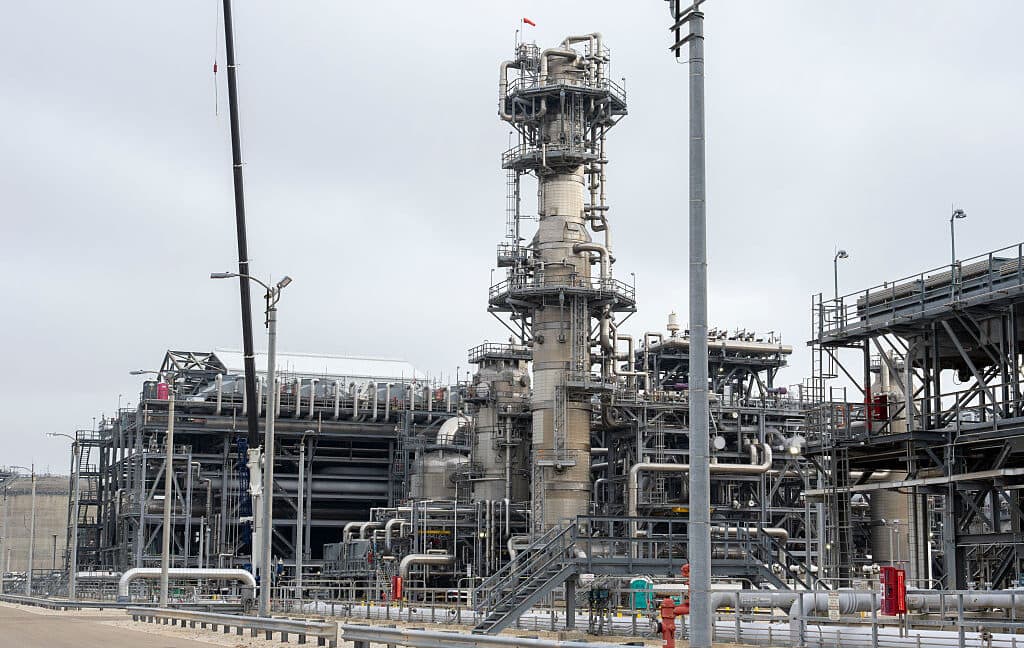
The Trump administration's Ratepayer Protection Pledge sees major tech firms promising to fund their data center power needs, yet lacks enforcement and faces supply challenges.
In a move that underscores the growing energy demands of tech giants, the Trump administration unveiled the Ratepayer Protection Pledge this week. This initiative sees leading technology companies such as Amazon, Google, Meta, Microsoft, OpenAI, Oracle, and xAI committing to finance the power generation and transmission infrastructure necessary for their burgeoning data centers. But the absence of any enforcement mechanism raises questions about its practical impact.
Understanding the Pledge
The pledge lays out five commitments, with the most significant being the companies' promise to cover costs related to new power generation capacity. This can mean building new facilities themselves or financing part of existing power plants. Additionally, they agree to pay for transmission infrastructure to connect these data centers to the grid, irrespective of whether the power is ultimately used by their facilities. This approach ostensibly aims to prevent costs from trickling down to consumers.
However, the pledge's simplicity might be its Achilles' heel. The lack of a solid enforcement mechanism leaves a gaping hole that could make compliance optional rather than mandatory. Isn't this just a theoretical promise without teeth?
Challenges Ahead
Beyond the lack of enforcement, the pledge will likely encounter significant hurdles concerning hardware supply. With global supply chains still recovering from pandemic disruptions, procuring the necessary equipment to build or expand power plants could prove daunting. Moreover, the economic viability of this pledge remains questionable. Even if tech companies foot the bill, the broader challenge of harmonizing this with market realities persists.
The AI Act text specifies that harmonization across the industry is essential. Yet here, we see a classic example of how harmonization sounds clean in theory, while the reality is far more intricate. The absence of a unified, enforceable approach could lead to uneven implementation across companies, potentially undermining the pledge's intent.
The Bigger Picture
While the pledge might sound promising on the surface, its practical implications are murky. What happens when these tech behemoths decide that the costs are too burdensome? Without a clear enforcement mechanism, the initiative risks becoming little more than a symbolic gesture. And with the current global focus on sustainable energy practices, this pledge could be a step in the right direction or just a mirage.
Brussels moves slowly. But when it moves, it moves everyone. Perhaps it's time for the EU to take note and ensure that such pledges don't just stay on paper. The enforcement mechanism is where this gets interesting. Will this set a precedent for future agreements, or will it be another example of good intentions lost in a sea of regulatory challenges?
Get AI news in your inbox
Daily digest of what matters in AI.