Synthetic Quotes: When AI Fabricates Reality
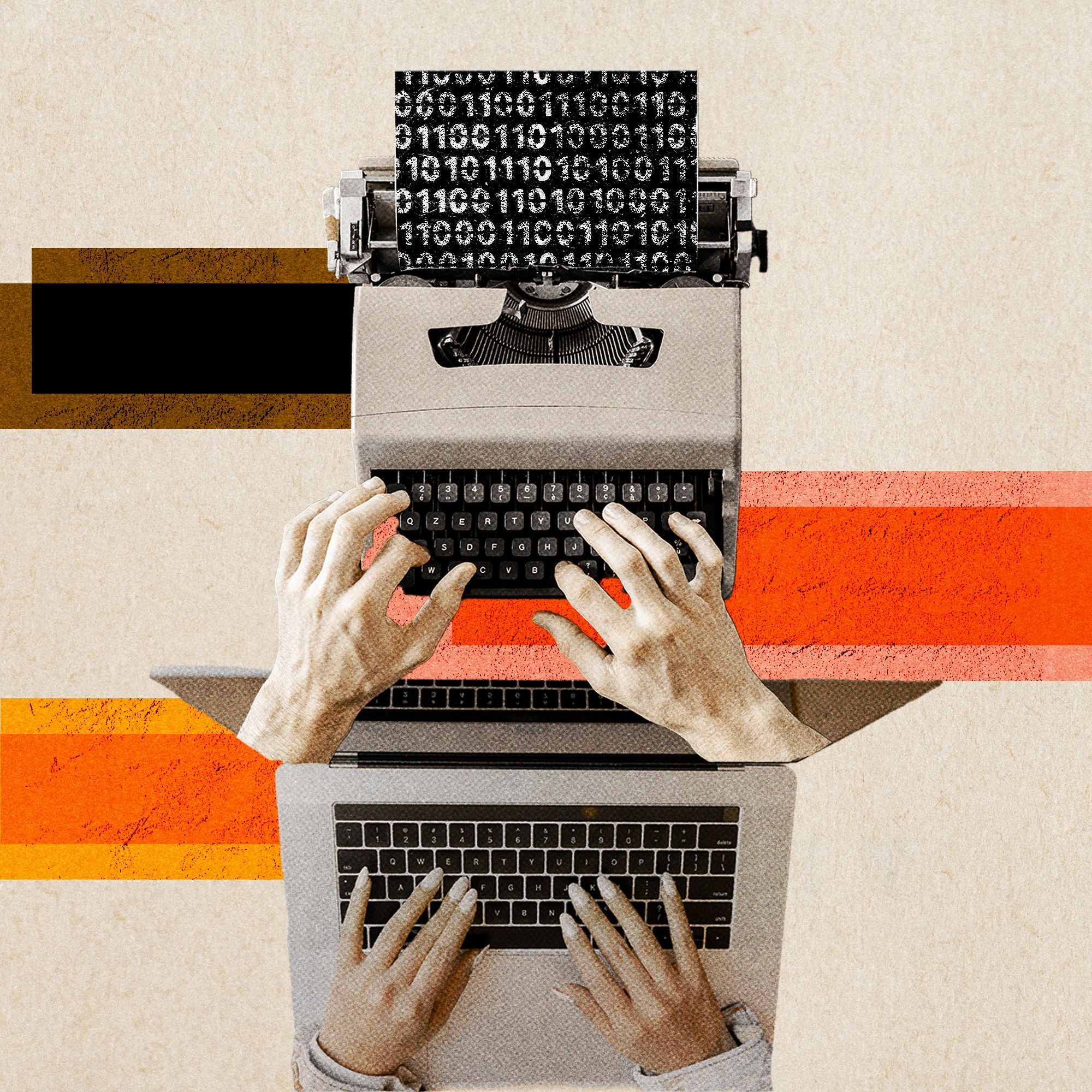
A controversial book using AI-generated quotes to discuss AI's influence on reality sparks debate. The real issue is deeper: AI's role in shaping truth.
In a world increasingly blurred by digital interpretations, a recent book aimed to explore the influence of AI on our perception of reality. However, it quickly found itself at the heart of controversy. The book's use of AI-generated quotes instead of real interviews set off a firestorm, but the deeper problem isn't just about fabricated quotes. It's about how AI's role in shaping truth is far more complex than we might care to admit.
The Fabricated Reality
The controversy began when readers discovered that several quotes in the book weren't the result of genuine conversations, but rather the output of an AI model. The author, whose name has now become synonymous with this debacle, defended the choice as a creative exploration. But let's not kid ourselves. Slapping a model on a GPU rental isn't a convergence thesis. The AI-generated quotes have raised questions about authenticity and the ethical boundaries of using machine learning in creative endeavors.
Authenticity in the Age of AI
This isn't just a debate about a single book. It's a glimpse into a broader issue: how artificial intelligence is blurring the lines between what's real and what's machine-generated. If AI can generate text indistinguishable from human-written content, can it reshape our understanding of truth? And more importantly, who gets to decide what's authentic?
For the tech world, this highlights the importance of transparency and disclosure. If you're going to let an AI write for you, own it. But this situation also calls attention to our society's growing dependence on AI's interpretations of reality. The intersection is real. Ninety percent of the projects aren't. The line between tool and author is becoming increasingly thin.
The Larger Implications
This incident goes beyond a case of questionable ethics in publishing. It's about the accountability of AI systems that are becoming more agentic. When AI models start crafting narratives, we must ask: If the AI can hold a wallet, who writes the risk model? The industry needs to establish guidelines for AI content creation to maintain trust.
In the end, the controversy surrounding this book should serve as a cautionary tale, not just for authors but for all creators using AI. AI's potential to fabricate reality is vast, but unchecked, it poses risks to the authenticity and integrity of information. The reality is, if we don't start setting boundaries now, we might find ourselves living in a world where truth is as synthetic as the stories we tell.
Get AI news in your inbox
Daily digest of what matters in AI.
Key Terms Explained
The science of creating machines that can perform tasks requiring human-like intelligence — reasoning, learning, perception, language understanding, and decision-making.
A mechanism that lets neural networks focus on the most relevant parts of their input when producing output.
Graphics Processing Unit.
A branch of AI where systems learn patterns from data instead of following explicitly programmed rules.