Supreme Court Sidesteps On AI Copyright: What's Next?
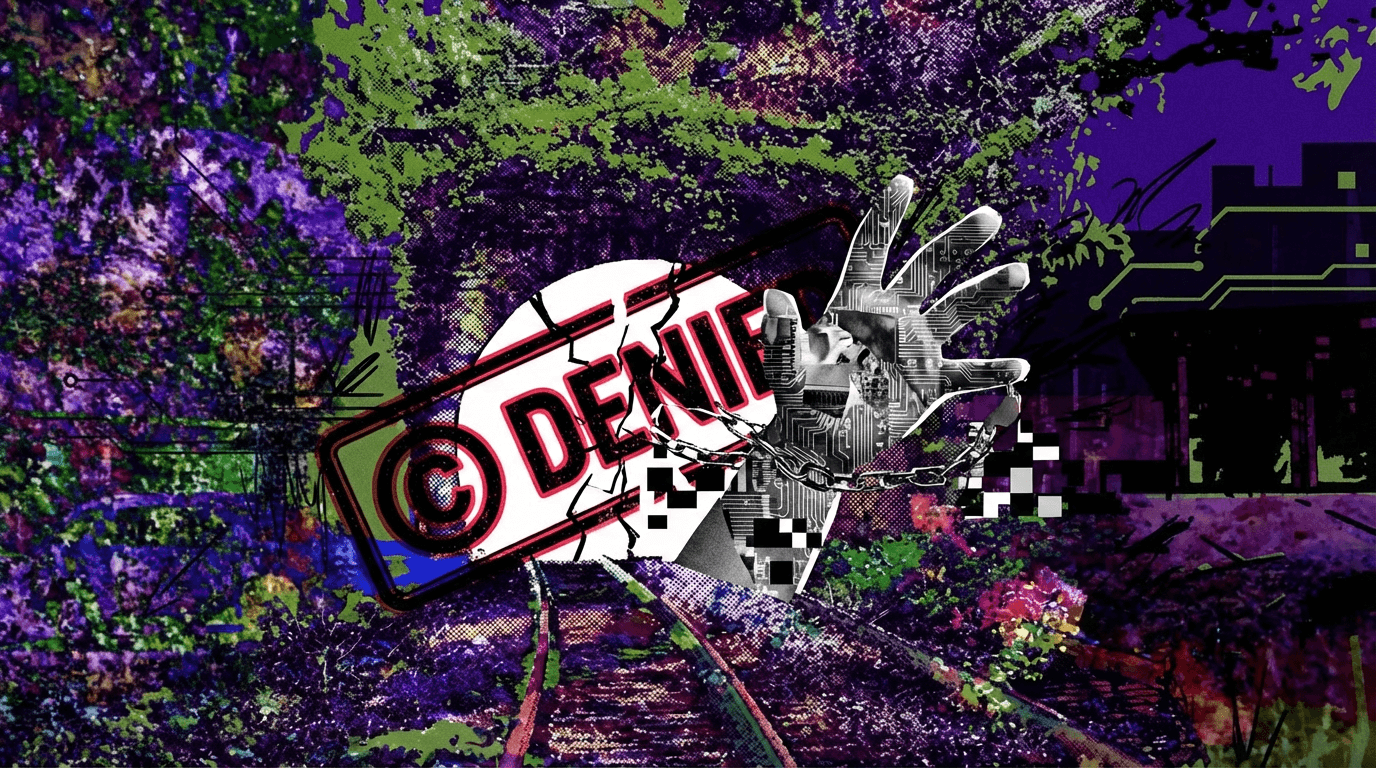
The Supreme Court refused to recognize an AI as the sole author of a work, leaving the door open for future cases about humans claiming copyright for AI-assisted creations.
In a move that many saw coming, the US Supreme Court declined to acknowledge a machine as the author of an image. Stephen Thaler, an AI inventor, had hoped to make a groundbreaking case for AI-generated art. The court's silence on this matter, however, speaks volumes about the complexities surrounding AI and copyright.
Why This Matters
The court’s decision was specific to Thaler's case, where he sought to have a machine solely credited as the creator. But, it left many wondering: what about humans using AI tools to create? This ruling doesn't touch on the rights of individuals who use AI as a tool in their creative process. In essence, the court dodged a broader question about the future of copyright in the age of AI.
Here's what the ruling actually means. By not addressing the broader issue, the court has left open a Pandora's box of legal questions about AI and authorship. Will creators who use AI tools to enhance their work be entitled to copyright protection? Or will the involvement of AI complicate their claims? The precedent here's important because it sets the stage for future legal battles over what constitutes authorship in the digital age.
The Road Ahead
The legal question is narrower than the headlines suggest. The court didn't shut the door on AI entirely. Instead, it left room for future interpretations and decisions. As AI continues to evolve, so too will the legal frameworks that govern it. We can expect more cases to emerge, each pushing the boundaries of what we consider to be original authorship.
So, what's next for creators and innovators? The answer might lie in new forms of licensing and agreements that account for AI's role in creativity. Legal scholars and practitioners will need to navigate these uncharted waters, crafting solutions that acknowledge both the potential and pitfalls of AI in creative industries.
The Bottom Line
As we stand on the brink of a new era in creativity, the question isn't merely about who, or what, gets credit. It's about how we define creativity itself. Will AI be seen as just another tool, like a paintbrush or a camera? Or will it become something more, an entity capable of its own creations? The court's reasoning hinges on future cases, and as they unfold, we'll get a clearer picture of how AI will shape intellectual property.
Get AI news in your inbox
Daily digest of what matters in AI.