Strait of Hormuz Tensions: Oil Prices Skyrocket Amid Global Uncertainty
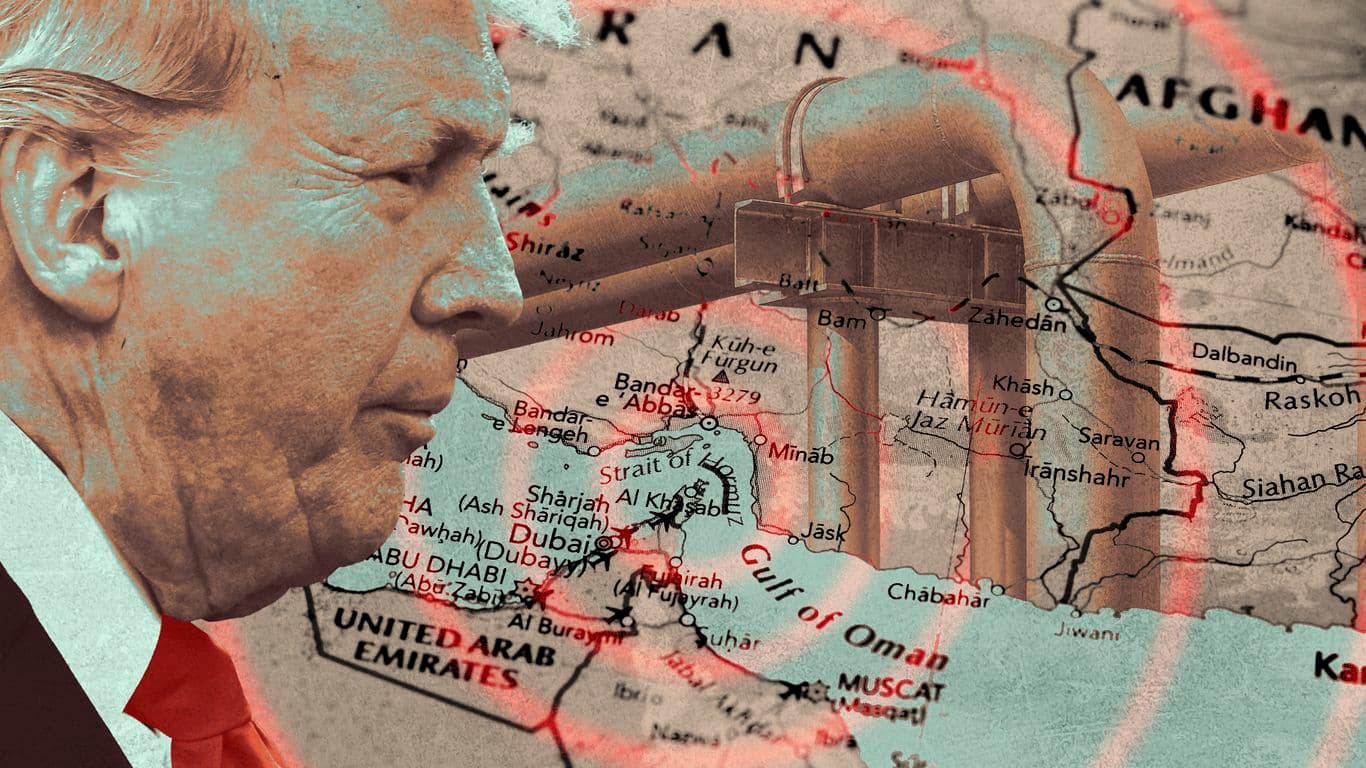
The Strait of Hormuz is a pressure cooker, with shipping nearly halted and oil prices spiking. Major economies brace for potential recession as markets react to the crisis.
JUST IN: The Strait of Hormuz is turning into a flashpoint, with shipping traffic almost at a standstill. Oil prices are soaring, and the knock-on effects could be massive, especially for Europe and East Asia.
Economic Ripples
The threat of a military escalation in this 21-mile-wide sliver of water has everyone on edge. If this drags on, expect a stagflationary hit. Europe and East Asia are particularly vulnerable, but the U.S. won't escape unscathed. We're talking recession territory here if oil prices spike further.
Sources confirm: Iran's poised to attack any commercial ships daring to pass. This isn't just about oil. We're looking at disruptions in liquefied natural gas, fertilizers, and critical raw materials. U.S. and allied forces are trying to counteract this bottleneck, but success is elusive.
Market Mayhem
Brent crude oil has jumped nearly 10%, sitting at $101 a barrel as of Thursday morning. Futures are following suit, with July 2025 delivery prices still high at $91.60. The markets are clearly betting on ongoing supply issues, could they be wrong?
The U.S., buoyed by its own oil output, has a cushion, but it's not immune. Oil trades globally, and pain will be felt all around. Goldman Sachs has already bumped up its inflation forecast to 2.9% for 2026, trimming GDP growth to 2.2%. In a darker scenario, where Brent averages $110, inflation could hit 3.3%.
The Global Picture
Oxford Economics isn't mincing words. If global oil prices average $140, we're looking at a potential economic breakdown. The eurozone, the U.K., Japan, they'd all slip into contraction. The U.S. would face a standstill. Oil at those levels could choke the economy by tightening financial conditions dramatically.
It's a wild ride, folks. The last time the Middle East was this volatile, markets rebounded quickly. But this time, the recovery might be slow and painful. Are we prepared for that?
Get AI news in your inbox
Daily digest of what matters in AI.