Steerable Scenes: The New Frontier in Robot Training
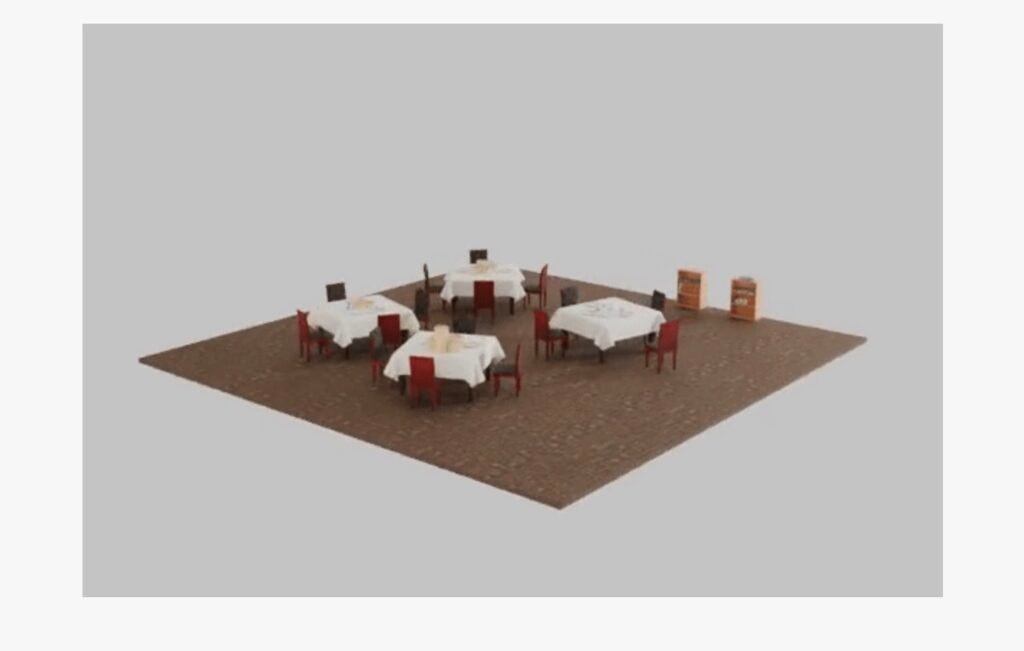
MIT researchers are redefining robot training with 'steerable scene generation.' By creating realistic digital environments, they're paving the way for smarter and more versatile robots.
Picture a robot learning to navigate a kitchen, not through trial and error in your home, but in a meticulously crafted virtual space. That's the vision behind MIT's latest breakthrough in robot training, steerable scene generation.
From Pixels to Realism
Here’s the thing: traditional robot training has been a bit of a slog. Real-world demonstrations are time-consuming and often don't translate well into digital simulations. Enter the team from MIT’s CSAIL and the Toyota Research Institute. They’ve devised a method to create digital environments that mirror the complexity and realism robots would face in the real world. Using over 44 million 3D room models, this system is like giving robots a playbook for real-world interactions.
If you’ve ever trained a model, you know the importance of diverse data. The analogy I keep coming back to is cooking: you can't master a dish just by reading the recipe. You need to taste, adjust, and refine. That's precisely what this system does, evolving scenes using a Monte Carlo tree search to ensure they’re more than just static images.
A New Era of Robot Dexterity
So why does this matter? Because robots are about to get an upgrade in dexterity and applicability. Think of it this way: training with these lifelike scenes could equip robots to handle a knife and fork or arrange a table setting as if they learned from a seasoned butler. The system even corrects classic glitches like “clipping” to ensure physical accuracy.
But here’s the kicker: this is just the beginning. Researchers aim to move beyond a fixed library of objects to generating entirely new items and interactive scenes. Imagine robots that can manipulate objects like jars or cabinets, making them truly useful in everyday tasks.
The Bigger Picture
Now, you might wonder, what's the real-world impact? By refining these virtual environments, robots could become indispensable in places like factories, warehouses, or even fast-food kitchens. And let’s face it, manual scene creation is a resource drain. This approach not only cuts time but also opens the door to a new era of robot capabilities.
MIT’s Nicholas Pfaff and his colleagues argue that it’s okay for pre-trained scenes to differ from the final desired environments. The magic happens when these scenes are fine-tuned, aligning them to specific tasks. It’s a promising step that could eventually lead to robots adept in environments as dynamic as our own, thanks to steerable scene generation.
Ultimately, this isn’t just about making robots smarter. it’s about making them truly adaptable. Imagine a world where robots can tackle a variety of tasks with the same ease we do. That’s the future MIT’s researchers are steering us toward.
Get AI news in your inbox
Daily digest of what matters in AI.