Starship's Robots: The Future of Autonomous Delivery
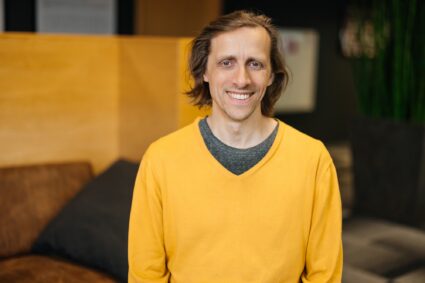
Starship Technologies, under Ahti Heinla's leadership, has redefined autonomous delivery with over 10 million completed deliveries. Their AI-powered robots operate independently, navigating complex environments.
Starship Technologies, led by Ahti Heinla, is reshaping the delivery landscape with its fleet of AI-powered robots. These autonomous couriers have already completed over 10 million deliveries, showcasing their capability to navigate sidewalks, weather, and bustling streets without human intervention. Heinla, who co-founded Starship after a successful stint as an engineer for Skype, has taken a bold step into robotics, focusing on consumer-facing AI.
Ahti Heinla's Vision
Heinla's pivot from telecommunications to robotics isn't just a career shift. it's a vision for the future of urban delivery. With more than 2,700 robots currently in operation, the scale of Starship's fleet is impressive. But the real story is their ability to function autonomously in real-world environments. These robots don’t just rely on a pre-set path. They make intelligent decisions on the go, adjusting to obstacles and dynamic cityscapes. But why does this matter?
In an era where efficiency and speed are king, these robots promise to transform how we receive goods. Imagine a world where your groceries are delivered by a machine that requires no human oversight. It’s not just futuristic. it’s happening now. But what’s the catch? Can these robots handle every scenario, from inclement weather to busy streets?
Challenges and Implications
While the numbers are impressive, the question remains: are cities ready for autonomous delivery on this scale? The regulatory detail everyone missed: as robots become more common on sidewalks, rules and infrastructure will need to adapt. The FDA pathway matters more than the press release medical robots, and similar scrutiny will apply here as well.
Starship's success is a promising sign, yet there’s a long way to go. Cities must address the implications of sharing public spaces with machines. Heinla’s robots are a step toward a more efficient future, but they also challenge us to rethink urban planning. Can we integrate technology effectively without compromising public safety and accessibility?
The Road Ahead
Surgeons I've spoken with say autonomous technology requires careful testing and validation. This applies beyond the operating room. Starship Technologies is leading the charge, but the road to widespread adoption will involve more than technical prowess. it will require public trust and collaboration with urban planners.
In clinical terms, the indication here's a future where robots handle the mundane, letting humans focus on what matters. If executed well, Heinla’s vision could revolutionize urban logistics. But the industry must tread carefully, ensuring technology serves us, not the other way around.
Get AI news in your inbox
Daily digest of what matters in AI.