SS Innovations Aims to Make Surgical Drones a Reality
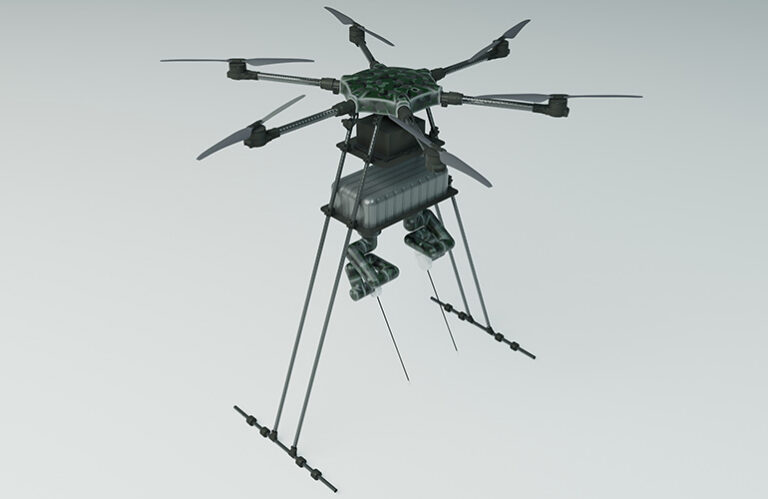
SS Innovations plans to deploy a flying surgical robot by 2026, aiming to revolutionize battlefield and remote emergency care. The vision involves combining telerobotic technology with drone capabilities.
SS Innovations International Inc., led by Dr. Sudhir Srivastava, is pushing the boundaries of medical technology with its ambitious plan to develop a flying surgical robot called the Vimana Aero by mid-2026. The goal: to swiftly bring life-saving care to soldiers and remote areas where traditional medical evacuation isn't feasible.
The Vision from Battlefield to Hospital
Srivastava's inspiration stems from an urgent request by the Indian Army, grappling with hemorrhage as the leading cause of soldier fatalities in combat zones. Drawing on DARPA's research from the '80s, the idea is to use SS Innovation's existing teleconnectivity tech to close the critical gap between injury and medical intervention.
The demo of this concept, while impressive, raises essential questions on practicality. Can a drone truly perform delicate surgical tasks in chaotic environments? The deployment story here's messier than it appears in concept art. Battery life and payload are significant hurdles, but Srivastava seems optimistic. "It comes down to the size of the drone and the technology for 3D vision, which is already available," he points out.
Expanding Telerobotic Potential
SS Innovations isn't just about drones. Since launching the SSi Mantra surgical system in 2021, they've expanded its capabilities, now boasting over 11,000 surgeries globally, including long-distance cardiac procedures. The system’s low latency gives confidence in its global operational capacity, but the real test is always the edge cases.
The company's drive is clear: change the direction of surgery for as many people as possible, anywhere in the world. But can they maintain this momentum? The challenge isn't just technological. It's about adapting to a many of environments that are far less controlled than a hospital OR.
Beyond Battlefield: A Broader Vision
While Vimana Aero is still in the concept stage, Srivastava sees potential beyond the battlefield. Natural disasters often leave areas inaccessible to first responders. Here’s where the idea truly shines. A flying robot capable of performing emergency surgeries could transform disaster response worldwide.
Yet, questions about the practical deployment of such technology remain. Dust raised by landing drones and securing safe landing sites are non-trivial issues. The concept also includes a mobile operating unit, resembling MASH units, designed to bring surgical care to rural populations, particularly in India, where 65% live in underserved areas.
SS Innovations' approach might sound like science fiction, but if realized, it could redefine emergency medical care in conflict zones and disaster-hit regions. The world will be watching to see if this ambitious plan takes flight.
Get AI news in your inbox
Daily digest of what matters in AI.