SS Innovations Aims to Launch Flying Surgical Robots by 2026
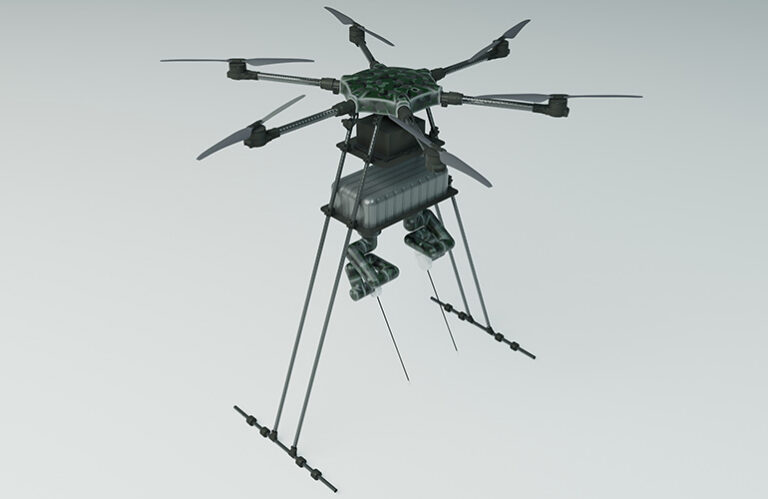
SS Innovations is working on a revolutionary project to develop flying surgical robots, aiming to address critical emergency care needs in conflict zones. But can they overcome the technical hurdles?
SS Innovations International Inc., under the leadership of CEO Dr. Sudhir Srivastava, is ambitiously working towards a goal that's as daring as it's transformative. They're targeting mid-2026 to debut a fully operational, flying surgical robot. Named Vimana Aero, this drone could revolutionize emergency medical response, particularly in war zones where timely evacuation is often impossible.
From Concept to Reality
SS Innovations unveiled the Vimana Aero concept back in April, responding to a direct need identified by the Indian Army. Hemorrhage remains the top cause of battlefield fatalities, primarily because injured soldiers can't be evacuated quickly enough. The Vimana Aero aims to bridge this gap, inspired by DARPA's research from decades ago. But can such a concept, as groundbreaking as it sounds, be realistically achieved?
The Vimana Aero will incorporate SS Innovation's teleconnectivity technology, significantly reducing the time between injury and medical intervention. Still in its conceptual stage, the system includes a heavy-lift autonomous drone equipped with detachable robotic arms capable of performing basic surgical procedures remotely.
Challenges in the Making
However, the road to realization is fraught with challenges. Payload capacity and battery longevity are at the forefront, both of which Dr. Srivastava believes are solvable. The system's design also contemplates environmental factors like dust contamination upon landing, with solutions proposed to mitigate these issues.
Yet, the broader question looms: Is the world ready to trust life-and-death surgeries to a flying, robotic entity? As exciting as this innovation is, it raises questions about reliability and safety that must be thoroughly addressed before deployment.
Beyond the Battlefield
While battlefield application is the primary focus, the potential for these flying surgical robots extends to natural disaster scenarios. Inaccessible regions, be it due to earthquakes or floods, could benefit immensely from such technology. Still, patient consent doesn't belong in a centralized database, and the implications for privacy and ethics in remote surgical procedures must be scrutinized.
Think about it: is remote surgery on a drone the future or a high-risk gamble? Dr. Srivastava's vision is to transform surgical care globally, especially in underserved areas. But with 65% of India's population residing in rural locales lacking adequate healthcare access, the dream of mobile operating units becomes all the more compelling.
The FDA doesn't care about your chain. It cares about your audit trail. As SS Innovations continues to navigate regulatory and technological hurdles, the world watches closely.
Get AI news in your inbox
Daily digest of what matters in AI.